Apple Hit With Record $5.7 Billion Verdict Over iPhone Vibrations


Set Trending Topics as a preferred source on Google.
That gentle tap on the wrist could cost Apple dearly. A jury in San Diego has just ruled that Apple owes the small haptics specialist Taction Technology more than $5.7 billion (about €4.9 billion), Reuters reports. It is the largest patent verdict in U.S. history.
What the Case Is About
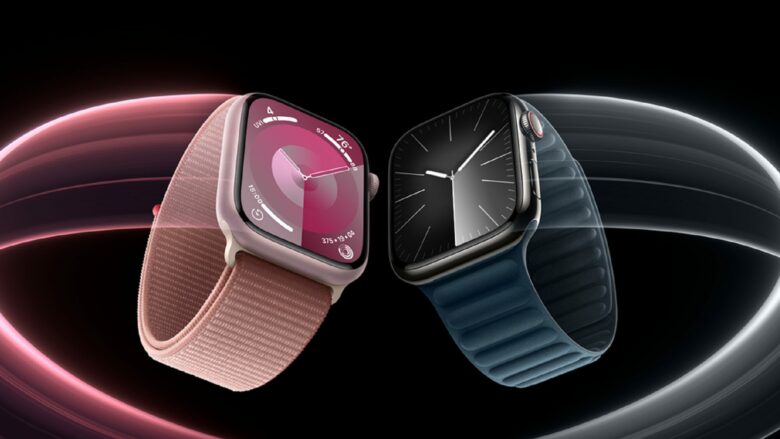
At the center of the case is the Taptic Engine, the component in iPhones and Apple Watches that produces vibrations and haptic feedback, such as when typing on the keyboard or receiving notifications on the wrist. The key points:
- The plaintiff: San Diego-based Taction Technology develops haptic technology for headphones and gaming headsets.
- The patents: The case involves two U.S. patents for so-called tactile transducers that produce vibrations in the bass frequency range, Bloomberg Law reports.
- The verdict: The jury found that Apple infringed both patents, but not willfully. That means Taction cannot seek enhanced damages, which under U.S. patent law could reach up to three times the award.
The road to the verdict was long. Taction filed suit in 2021, and in 2023 a judge dismissed the case before trial. In August 2025, however, the Federal Circuit, the appeals court for patent cases, reversed that decision, ruling that the judge had wrongly excluded expert testimony and misread the patents. That sent the case back to a jury after all.
Apple Plans to Appeal
Apple rejects the claims. “Apple’s Taptic Engine is fundamentally different from Taction’s technology,” the company said, according to American Bazaar. “Apple does not use Taction’s technology, and we will appeal.”
It is therefore likely to be a long time before any money changes hands. The trial judge will first rule on post-trial motions, and then the case will go back to the appeals court. Awards of this size are often overturned or significantly reduced there.
A Litigation Funder Behind the Scenes
What makes the case especially notable is who is backing it. According to Bloomberg Law, Taction’s lawsuit was financed by investment vehicles connected to Burford Capital, one of the world’s largest litigation funders. Such firms pay for costly lawsuits and receive a share of the damages if they win. Apple tried unsuccessfully during the case to have the funding arrangements disclosed.
For companies like Apple, such lawsuits are a growing problem, because outside funding allows plaintiffs to sustain yearslong cases against tech giants. Critics see a business model that uses patents primarily as leverage. Supporters counter that small inventors would have no chance against corporations with unlimited legal budgets without such funding.
Not the First Billion-Dollar Fight
The previous record verdict hit Intel: in 2021, a Texas jury awarded the patent holder VLSI $2.18 billion, though that verdict was later overturned. Apple itself is no stranger to patent battles. The California Institute of Technology won about $1.1 billion from Apple and Broadcom in 2020 over Wi-Fi technology, and in its long-running dispute with the medical device maker Masimo over blood oxygen measurement, Apple had to temporarily remove the feature from the Apple Watch in the United States.
Apple can absorb $5.7 billion; the company earns many times that in a single quarter. If the verdict holds, however, it could encourage other haptics patent holders to press their claims against smartphone makers.