Four in Five Applicants Miss Out in Austria’s Solar Subsidy Lottery


Set Trending Topics as a preferred source on Google.
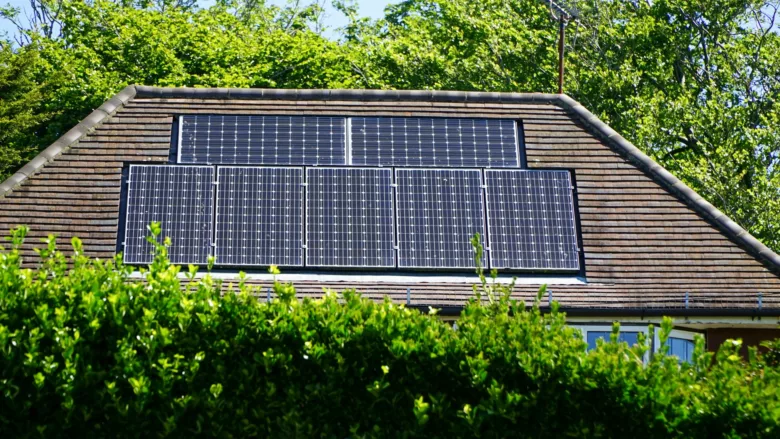
Austria’s solar subsidy lottery is over, and most players lost: In the third and final funding call under the old system, applicants filed 41,322 requests for a total of about €192 million in support for rooftop solar systems and batteries. The pot, however, holds just €38.5 million, enough to cover only about a fifth of the money requested. The Ministry of Economy, Energy and Tourism itself acknowledged that the call was, as expected, heavily oversubscribed.
About 33,000 Applications Without Funding
It is not yet clear how many households and businesses will ultimately receive a funding commitment. Over the coming weeks, applications will be checked for accuracy and completeness, and funds will be allocated according to the respective ranking criteria. For small systems of up to 20 kilowatts peak, the deciding factor is the time at which applicants drew their ticket. For larger systems, it is the requested subsidy per kilowatt peak.
A rough calculation shows how wide the gap is. On average, each application requested about €4,650. At that rate, €38.5 million covers roughly 8,300 applications. About 33,000 applicants, or roughly eight in ten, are likely to come away empty-handed. The previous call looked much the same: Back then, the money was gone after 33 seconds, with funding for about 3,000 projects set against nearly 28,000 applications. This time, according to the ministry, about 43,300 tickets were drawn in the first ten minutes alone.
Small Systems Dominate
Demand was particularly strong for small systems of the kind typically installed on single-family homes:
- Up to 10 kilowatts peak: 19,310 applications
- Over 10 to 20 kilowatts peak: 16,945 applications
- Share: Together, these two size classes account for about 88 percent of all applications.
Yet this is exactly the group that will no longer receive dedicated investment subsidies in the future. Elisabeth Zehetner, the state secretary for energy from the conservative People’s Party, pointed out that the cost of solar systems has fallen by about 90 percent over the past decade. In her view, small solar systems have become established in the market and no longer need their own investment subsidy.
“Made in Europe” Mainly for Inverters
Some applicants are betting on European components, which qualify for a bonus. For inverters, the “Made in Europe” bonus was requested in 18,800 applications, or about 45 percent. For batteries, the figure was 8,997 applications (about 22 percent), and for solar modules only 6,591 applications (about 16 percent). The low figure for modules comes as little surprise, given that Chinese manufacturers dominate the market. In total, about €7.6 million of the requested volume relates to the bonus. Whether the requirements are actually met will only be determined during the review.
Batteries Instead of Panels
For Ms. Zehetner, the rush confirms the planned overhaul. When the available funds are used up within moments, she argued, speed of submission becomes the main deciding factor. The government wants a system that offers more planning certainty and focuses on the benefits for the energy system as a whole.
The key points of the new subsidy model at a glance:
- Rolling applications: The first-come, first-served principle with fixed calls is to be replaced by a continuous, application-based model.
- Storage system bonus: Instead of the classic solar investment subsidy, support will go to new batteries and to retrofitting existing solar systems with storage.
- Smart control: An energy management system that enables grid-friendly operation will be a prerequisite, storing or feeding in power when it makes sense for the grid.
- Second chance: Projects with batteries that miss out in the current call should be able to reapply under the new system, provided they go into operation from November onward.
Two-Thirds Majority Required
The overhaul is not yet a done deal. According to the ministry, the legal texts are still being negotiated politically and are to be sent to Parliament as quickly as possible. To pass them, the government needs a two-thirds majority in the National Council, meaning it needs votes from either the far-right Freedom Party or the Greens. Both criticized the plans when they were presented: The Greens object to the reduced subsidy budget, while the Freedom Party points to a lack of planning certainty for anyone who wants to buy a battery now. For the roughly 33,000 applicants without a commitment, that means one thing for now: waiting.