After 36 Years, Scientists Have Grown the First Truly Blue Rose


Set Trending Topics as a preferred source on Google.
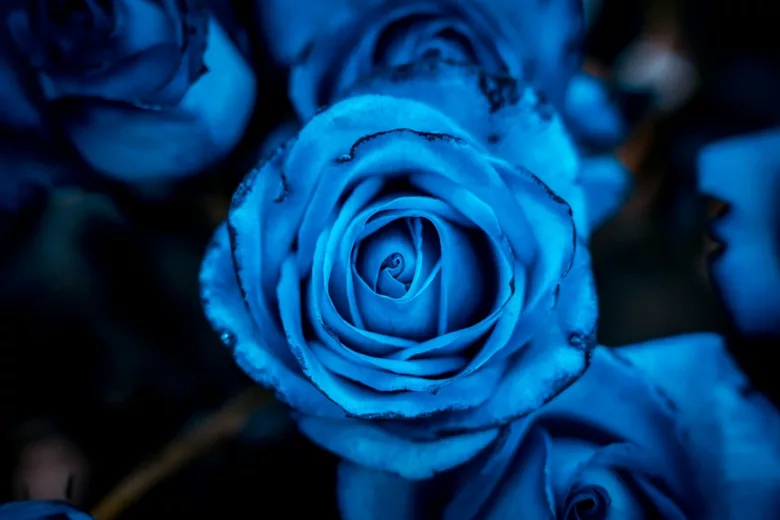
For centuries, the blue rose was a symbol of the unattainable. Now one is growing in a greenhouse in Kyoto. Researchers at the Japanese beverage giant Suntory have bred a rose that blooms a real violet-blue, and does so reliably for years, the company says in a news release. The result was recently presented at the International Horticultural Congress in Kyoto. It caps a research effort that Suntory began in 1990.
Why Roses Can’t Do Blue
Roses naturally lack the enzymes to produce blue pigments. The plant simply has no gene for it. Suntory had solved half the problem back in 2004, breeding roses that produce the blue pigment delphinidin. The resulting variety, “Applause,” went on sale in 2009, but it looked more lilac than blue.
The reason: the pigment alone is not enough. In truly blue flowers such as the cornflower, the pigment is accompanied by so-called copigments, nearly colorless helper molecules that stabilize and deepen the blue. A rose can’t make those either.
Four Foreign Genes
So the team led by Seitaro Ito worked on both levers. Into a light pink rose, they inserted four genes from three other plants, as Science News breaks down in detail:
- Canterbury bells: A gene from Campanula medium supplies the blue pigment malvidin.
- Wishbone flower: Two genes from Torenia x hybrida provide the helper molecules.
- Gentian: A gene from the Japanese gentian, Gentiana triflora, produces the copigment isoorientin.
“The higher the level of copigments in the petals, the bluer the flowers,” the researchers conclude. The approach goes “beyond pigment production itself” to the question of how the pigment interacts with the compounds around it, Mr. Ito says, according to Suntory.
Seven Years in the Greenhouse, Three in the Field
The blue is no laboratory fluke. The roses bloomed reliably blue for seven years in the greenhouse, plus three years of field trials in Colombia, one of the world’s biggest rose exporters. That means the color is stable under natural conditions too.
Suntory has not said when the rose will go on sale. The company, which makes its money from whisky and soft drinks, has run its flower breeding business through its Suntory Flowers subsidiary since the 1990s as a sideline. For the industry, a real blue rose would be a win: blue roses sold today are mostly dyed, with ink that the cut flower absorbs through its stem.