Google Blocks Paying AI Subscribers Using Third-Party OpenClaw Tool

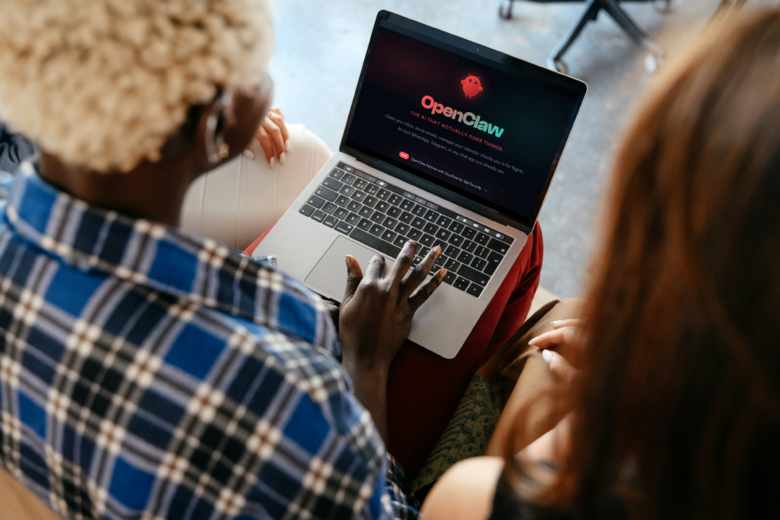


According to reports, Google has begun blocking paying subscribers of its AI service who use the third-party tool OpenClaw to access Gemini models. The measures apparently affect users of the Google AI Ultra subscription, which costs up to $249.99 per month. Many affected users report sudden blocks without prior warning.
The creator of the open-source AI agent, which has caused a stir in recent weeks, has also experienced the blocks. “Pretty strict from Google. Be careful if you use Antigravity. I think I’ll stop supporting it,” comments OpenClaw creator Peter Steinberger on the matter. “Even Anthropic contacts me and handles issues in a friendly way. Google, on the other hand… just blocks?”
Fundamentally, OpenClaw is built so that users can use AI models of their choice with it; even though Steinberger reportedly switched to OpenAI, the AI agent is not tied to a single LLM provider.
Background of the blocks
According to various sources, Google justifies the measures with several factors. At the center is the allegation that the use of OpenClaw violates the terms of service. The so-called Google Antigravity OAuth tokens are intended exclusively for official use on the Google platform.
Additionally, OpenClaw is said to generate continuous, automated calls that are recognized by Google’s systems as unusual usage patterns. Such automation loops could be interpreted as malicious activity and impair service quality, according to the argument.
Security concerns and industry trend
Google apparently also points to security concerns. The rapid spread of OpenClaw has raised questions about potential security vulnerabilities, data leaks, and the unpredictability of the software. There are reports of exposed OpenClaw instances and possible information theft, particularly in enterprise environments.
Interestingly, Google appears to be following an industry trend. Shortly before, Anthropic, another major AI provider, had revised its terms of service and explicitly prohibited the use of OAuth tokens in third-party tools. The reasons cited were unusual traffic patterns and difficulties with debugging.
Impact on affected users
The consequences for blocked users sometimes go beyond losing access to Gemini 2.5 Pro. In some cases, other linked Google services such as Gmail and Google Workspace were apparently also blocked. Particularly problematic: the subscriptions are reportedly still being charged while access remains blocked.
Users in a Google-owned forum as well as on Hacker News and Reddit expressed frustration over the lack of communication from Google, the abrupt blocks, and difficulties in obtaining support. The lack of prior warning and unclear communication have apparently caused considerable discontent.
Google’s response and alternatives
Google has indicated that some users may not have been informed about the violation of the terms of service. The company is apparently exploring ways to restore access to these users, but currently has limited capacity to do so.
As a recommended alternative, Google mentions the use of official API keys via Google AI Studio or Google Cloud API keys. These would provide paid but traceable and scalable access that complies with the terms of service.
Open questions
It remains unclear how many users in total are affected by the blocks and how Google will handle already-paid subscription fees. The exact criteria by which Google distinguishes between intentional and unintentional violations are also not publicly known.
The development raises fundamental questions about the handling of third-party tools in the AI field and could set a precedent for other providers.