Norway Moves to Ban A.I. Glasses in Public Places


Set Trending Topics as a preferred source on Google.
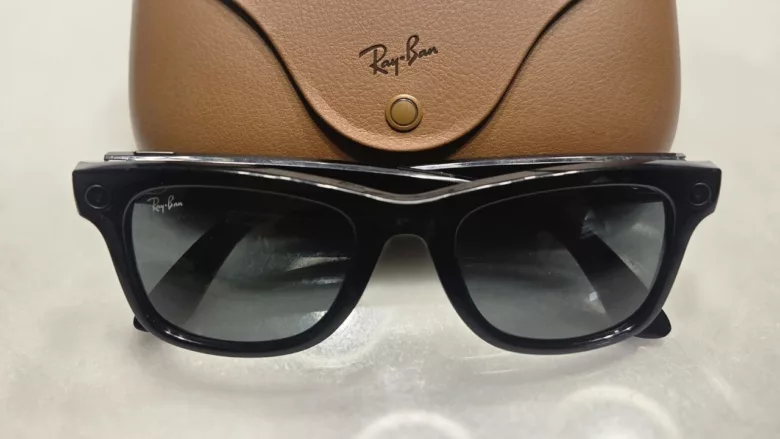
Anyone strolling through a Norwegian park wearing camera glasses could soon be breaking the law: Norway’s government has announced plans for a temporary ban on A.I. glasses in a wide range of public places. Devices like Meta’s Ray-Ban glasses are in the crosshairs. Calls for bans are also growing louder in the Netherlands and Germany.
Parks, Schools and Locker Rooms
According to the government’s announcement, the ban would apply in these places:
- Public spaces: Parks, beaches, museums, shopping centers and public events.
- Places for children: Schools, kindergartens, playgrounds and youth clubs.
- Sensitive areas: Health care facilities, gyms, and changing rooms and showers.
The government is also considering whether to include universities and colleges. Exactly which devices will be covered is still open. Under discussion are glasses with a camera and microphone, glasses with a camera and A.I. features, and other wearable technology that can record images or sound. The government plans to send a bill to Parliament “as soon as possible,” while an expert group drafts permanent rules.
The driving force is Torgeir Micaelsen, the minister of digitalization, who took office only a few weeks ago. He said he was worried that powerful new technology was being introduced that puts people at risk of being photographed, filmed or recorded without their knowledge. His predecessor, Karianne Tung, had announced stricter rules this summer, including a ban on automatic facial recognition in public spaces, but stopped short of proposing a ban on wearing the devices. The city of Oslo has already banned smart glasses in all of its schools since late August.
The Netherlands: Parliament Wants More, Government Hesitates
The debate is also heating up in the Netherlands. The Dutch Data Protection Authority recently warned that filming other people with camera glasses is not allowed in many cases and called for bans in sensitive places such as hospitals, courts and places of worship. The consumer organization Consumentenbond has gone further, calling for a ban on Meta’s glasses in their current form, and the optician chain Hans Anders has pulled the Ray-Ban Meta glasses from its stores.
A majority in Parliament backed a motion asking the government to work out options for further restricting camera glasses, with exceptions for medical uses. Results are expected in the first quarter of 2027. But Claudia van Bruggen, the state secretary in charge, opposes a national ban, arguing that existing laws already offer enough protection, Computable reported. The government wants to wait for guidelines from the European Data Protection Board first.
Germany: Hamburg Takes the Lead
Germany has its first bans as well. Hamburg’s state parliament voted in early September to ban smart glasses in municipal swimming pools and saunas as well as on the buses and trains of the city’s public transit network, with exceptions for people with visual impairments. The city’s government still has to put the ban into effect. Thomas Fuchs, Hamburg’s data protection commissioner, considers covert filming in public a violation of data protection law. In the federal Parliament, lawmakers from the Social Democrats, the Greens and the Left Party are calling for stricter rules, with the Left Party pushing for a nationwide ban.
Much of the criticism targets the small LED that is meant to signal when Meta’s glasses are recording. According to a Civey survey commissioned by the advocacy group HateAid, 47 percent of respondents did not know what the white light means. Meta itself recently introduced the Ray-Ban Meta Audio, its first A.I. glasses without a camera, and a free app called ZuckOff now alerts users when someone nearby is wearing Meta’s camera glasses.
The Case Against Bans
There are also weighty arguments against bans. Germany’s Federal Network Agency, which would have to decide on a sales ban in the country, sees no legal basis for one because the recording function is clearly recognizable, according to the investigative newsroom Correctiv. The Dutch government makes a similar case, pointing to existing data protection law. Opponents of bans also stress the value of the glasses for people with visual impairments, who can use them to have their surroundings described or text read aloud, as well as for translation and technical assistance. Blanket bans would hit these legitimate uses too.