OpenClaw: How a Weekend Project Became an Open-Source AI Sensation



First Clawdbot, then Moltbot, and finally OpenClaw: The open-source AI agent by Austrian developer Peter Steinberger has taken the tech world by storm. The basic idea is to run it locally on your own hardware like a Mac Mini, you can interact with it through existing chat apps like WhatsApp or Telegram, and you can connect different AI models for processing.
This weekend project has evolved into one of the fastest-growing open-source platforms within two months. Originally launched as a “WhatsApp Relay” project, it now boasts over 100,000 GitHub stars and attracted 2 million visitors in a single week. Developer Steinberger has now announced the third renaming of the project: OpenClaw.
In the tech scene, Steinberger, who built PSPDFKit in Vienna years ago and then made a major exit, has become a star through OpenClaw. The project has seen a steep rise in “stars” on GitHub – something like likes, but in the admittedly critical developer community. Only a few projects receive so many stars.

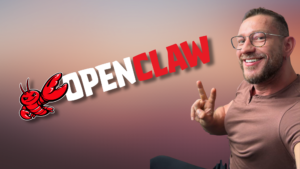
The naming process was complicated. In November 2025, the developer named the project “Clawd” – a play on words with “Claude” and the English word for claw. However, Anthropic’s legal department requested a change. The second name “Moltbot” emerged from a Discord brainstorming session at five in the morning with the community. The molting of lobsters was meant to symbolize growth, but as the developer admits, “it never quite rolled off the tongue.” OpenClaw is now the final choice – this time with completed trademark research, purchased domains, and written migration code.
Decentralized Architecture as Core Principle
OpenClaw is an open agent platform that runs on your own machine and works through chat applications you already use. The platform supports WhatsApp, Telegram, Discord, Slack, Teams, and other channels. The developer summarizes the principle: “Your assistant. Your machine. Your rules.” Unlike SaaS assistants where data sits on external servers, OpenClaw runs on your chosen infrastructure – laptop, homelab, or VPS. Users retain control over their keys and data.
With the rebrand, the team is rolling out new features: plugins for Twitch and Google Chat, support for KIMI K2.5 and Xiaomi MiMo-V2-Flash models, and the ability to send images in web chat. Special attention is given to security: 34 security-related commits have hardened the codebase. The project released machine-verifiable security models this week. However, Steinberger emphasizes that prompt injection remains an unsolved industry-wide problem and recommends using strong models and studying security best practices.
As reported, OpenClaw has numerous security issues, which is why only those knowledgeable in the subject should install the software (more on that here).
Professionalization of Project Structure
The roadmap focuses on security as the top priority, followed by gateway reliability and support for additional models and providers. The developer is working to add maintainers and establish processes to handle the massive influx of pull requests and issues. He plans to compensate maintainers fairly – ideally full-time. The project is actively seeking contributions and sponsors for the organization.
The developer especially thanks the “Claw Crew” – all contributors who submitted code, reported issues, joined the Discord, or simply tried out the project. With the final renaming to OpenClaw, the project completes its metamorphosis and positions itself as a community-driven alternative to proprietary AI assistants.