OpenClaw Expands Support of Chinese AI Models Amid Big Tech Interest




OpenClaw is the AI project of the hour and has not only captured the attention of the global media landscape and developer community, but also that of Mark Zuckerberg of Meta, Sam Altman of OpenAI, and Satya Nadella of Microsoft. With these CEOs, Austrian developer Peter Steinberger has already exchanged ideas about the future of his open-source AI. As reported, he has already received offers from Meta and OpenAI regarding future collaboration.
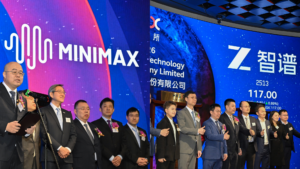
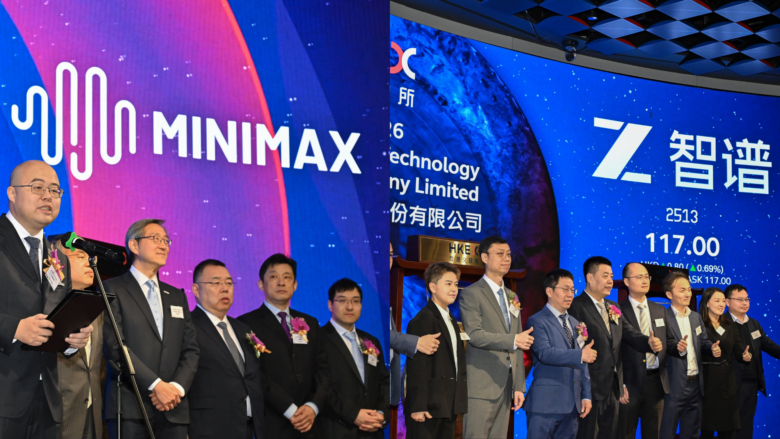
Meanwhile, Steinberger and his supporters are pushing OpenClaw ever further forward and releasing updates continuously. In the latest release: support for the two brand-new Chinese open-source LLMs from the (now publicly listed) AI startups Zhipu AI (GLM-5, more on that here) and MiniMax (MiniMax M2.5).
This means that users can now choose to connect these Chinese AI models to their OpenClaw installation, essentially giving the AI agent a new brain. This also shows that the selection of available LLMs is increasingly expanding to include Chinese providers.
Open Source AI from China
Here is a list of supported AI models:
- GLM-5 by Zhipu AI (among others)
- MiniMax M2.5 by MiniMax (among others)
- Kimi K2.5 by Moonshot AI (among others)
- Qwen by Alibaba (among others)
- Mimo V2 by Xiaomi
- Claude Opus 4.6 by Anthropic (among other Anthropic models)
- GPT-5.3-Codex by OpenAI (among others)
- Gemini 3 Pro by Google (among others)
- Llama 3.3 by Meta (among others)
This expansion to Chinese AI models is exciting. As reported multiple times, Chinese startups are now capable of offering highly competitive LLMs and very cheaply or free (via open source). GLM-5 by Zhipu AI or Kimi K2.5 can certainly hold their own in terms of performance against the top models from US providers OpenAI, Google, or Anthropic, if one believes the rankings on Artificial Analysis or Arena.ai.
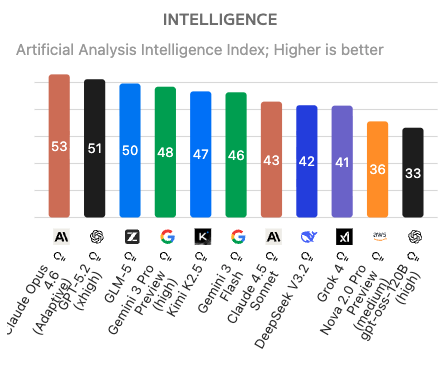
For OpenAI or Meta, who want to work with OpenClaw, this is certainly interesting. Because Steinberger’s open source project has the potential, through its openness, to also become an access point for China’s AI models, and that is likely to be unwelcome to some in the US AI industry.