Skyryse raises $300 million for automated flying, achieves unicorn status



Aviation scale-up Skyryse has raised over $300 million in a Series C funding round, reaching a valuation of $1.15 billion. Skyryse aims to take semi-automated flight systems to the next level—and integrate its universal technology into numerous aircraft such as helicopters.
The company based in El Segundo, California, has achieved unicorn status and has raised more than $605 million in equity since its founding in 2016. The oversubscribed round was led by Autopilot Ventures, supported by Fidelity Management & Research Company and other investors including ArrowMark Partners, Baron Capital Group, Qatar Investment Authority, and Woodline Partners.
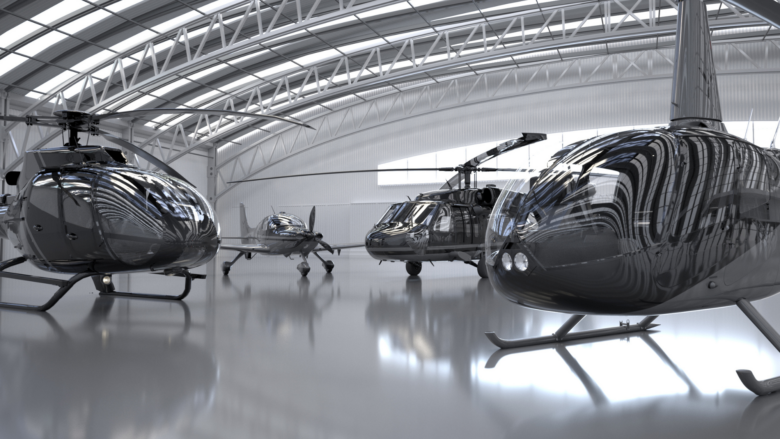
The fresh capital is now to flow into the final phase of certification by the U.S. Federal Aviation Administration (FAA) and into scaling the SkyOS operating system to additional aircraft types. Skyryse has already secured partnerships across all major aviation segments—from the U.S. military to emergency services and police to private operators. Contracts exist with United Rotorcraft, Air Methods, and Mitsubishi Corporation for the integration of SkyOS into helicopters such as the Airbus H-125, Bell 407, and Black Hawks, as well as aircraft like the Pilatus PC-12.
SkyOS replaces mechanical controls with automation
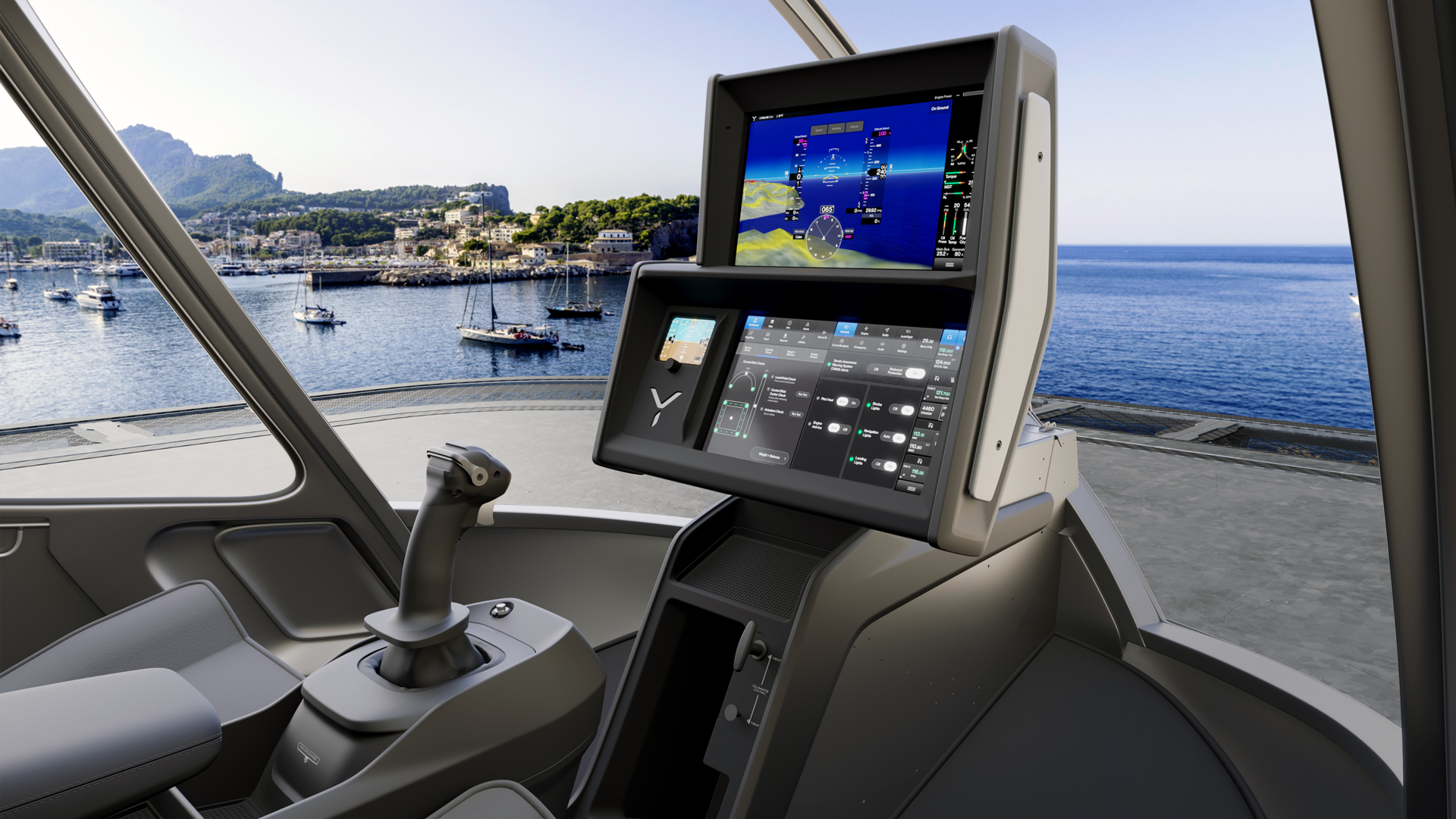
According to the company, SkyOS is the world’s first universal operating system for aircraft and replaces conventional, complex mechanical flight controls with an integrated system of multiple flight control computers. The technology is designed to automate the most complicated and dangerous aspects of flying. A pilot remains in the cockpit, but takeoff, landing, and hover can be controlled with a swipe on a touchscreen. According to Skyryse, the system pays off not only for standard operations but is also designed to increase safety in emergencies.
91 days to Black Hawk flight
Skyryse deliberately developed SkyOS first for helicopters, as these are inherently unstable and more complicated to fly—both for pilots and automated systems—than fixed-wing aircraft. After just 91 days of integration, the company successfully flew SkyOS on a Black Hawk and performed automated takeoff, hover, and landing with a fingertip swipe.
According to its own statements, the California-based start-up is the only aviation tech company to achieve unicorn status while remaining independent, in order to offer its technology for military and civilian dual-use markets.