No to Stricter Neutrality: Switzerland Refuses to Ban Its Own Sanctions


Set Trending Topics as a preferred source on Google.
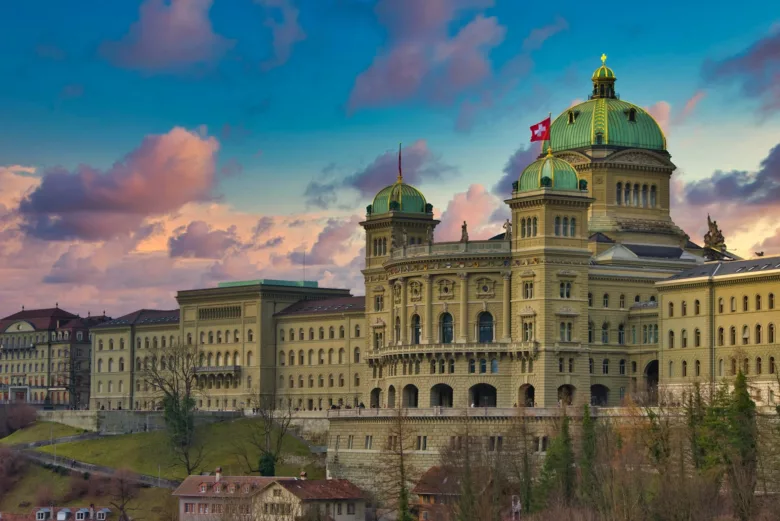
Even an endorsement from Moscow did not help. Swiss voters sank the so-called neutrality initiative over the weekend with 70.2 percent voting no, and in all 26 cantons, according to the official result published by the Federal Council. The proposal would have barred Switzerland from imposing sanctions without a UN mandate and blocked closer cooperation with NATO. The margin was far wider than polls had suggested.
What the Initiative Wanted
Behind the proposal stood the organization Pro Schweiz and Christoph Blocher, the billionaire and former Federal Councillor of the right-wing Swiss People’s Party (SVP), who largely bankrolled the campaign with more than 5.5 million francs (about 5.9 million euros), according to SRF. The initiative would have written into the constitution:
- Perpetual armed neutrality: Switzerland may not join a military alliance unless it is attacked itself.
- No involvement in foreign conflicts: Military cooperation with alliances such as NATO would have been prohibited.
- Sanctions only with a UN mandate: Non-military coercive measures against warring states would have been banned without a resolution by the UN Security Council. That would have made adopting the EU sanctions against Russia impossible.
The initiative was triggered by the Federal Council’s 2022 decision to adopt the EU sanctions against Russia after the invasion of Ukraine. Opponents dubbed it the “pro-Putin initiative,” not least because Moscow openly backed it, as the BBC reports.
Only the SVP in Favor
The proposal was supported solely by the SVP and the small Federal Democratic Union; the Federal Council and every other major party opposed it. Polling support fell from 42 to 34 percent over the course of the campaign, and 29.8 percent remained in the end. The closest result came in Ticino, with 51.8 percent voting no, the widest in Basel-Stadt, with 79.9 percent. Only about 149 of 2,105 municipalities approved it.
Foreign Minister Ignazio Cassis did not read the result as a rejection of neutrality, as Swissinfo reports: “Switzerland was neutral yesterday, is neutral today, and will remain so in the future.” Political scientist Lukas Golder of the gfs.bern institute called it “a vote for sanctions and against Russia.” Voters, he said, have a clear idea of what neutrality is supposed to achieve, and looking away from violations of international law is not part of it.
A Signal to Brussels and Moscow
For Europe, the decision is more than a domestic Swiss affair. A yes would have removed Switzerland as a sanctions partner of the EU and handed the Kremlin a welcome wedge in the Western front. Norbert Lins, a German member of the European Parliament for the CDU, called it a “significant decision for Europe” that prevents additional hurdles to security cooperation.
The next turning point follows at the end of November, when Switzerland votes on loosening its War Materials Act to allow arms exports to allied countries even when they are involved in an armed conflict. The current rules blocked, among other things, the transfer of Swiss-made ammunition to Ukraine for Germany’s Gepard anti-aircraft tanks. For the Swiss defense industry, which is losing orders to competitors in Germany and Sweden because of the strict rules, the stakes go well beyond symbolism.
On the same Sunday, voters also rejected the food initiative, which sought to enshrine more domestic and plant-based food production in the constitution, with 72.5 percent voting no. Turnout was 47 percent.