TikTok Secures US Business Through Strategic Restructuring

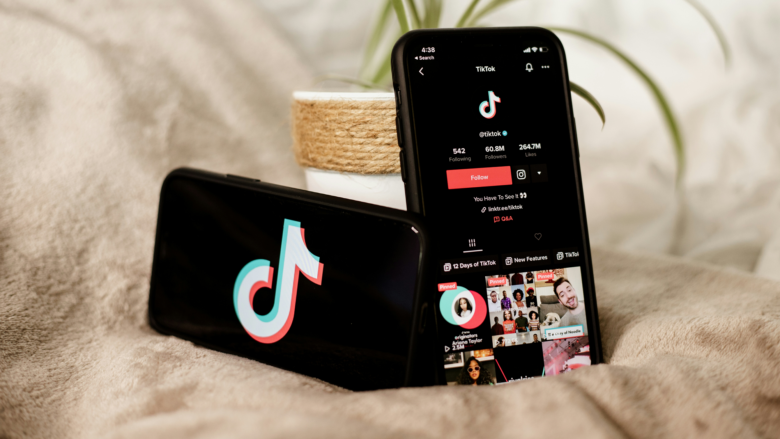


TikTok has transferred its US business into a new corporate structure, ending months of uncertainty about the platform’s future in the United States, according to IT Boltwise. ByteDance, the Chinese parent company, retains a minority stake of just under 20 percent in the new joint venture TikTok USDS. Meanwhile, Oracle and other investors are set to take control. This restructuring fulfills the requirements of US legislation that obligated ByteDance to relinquish control of the US business and is intended to address national security concerns.
Donald Trump’s Change of Course
US President Donald Trump plays a central role in this process. In his second term, he recognized the platform as important for reaching young voters and advocated for its preservation. This marks a remarkable shift: originally, Trump had attempted to force TikTok to sell through a ban threat, but failed in US courts. The new structure is now intended to address national security concerns, although critics warn that the measures are insufficient.
US software giant Oracle assumes a central function in the new corporate structure. TikTok’s US user data is stored in Oracle data centers to ensure control over sensitive information. This approach was already part of a plan that ByteDance had proposed years ago to allay US government concerns.
TikTok Restructuring Deemed Insufficient by Some
Nevertheless, control of TikTok’s online commerce and advertising business in the United States remains with ByteDance, which some critics view as an inadequate solution. This constellation raises questions about the extent to which the restructuring actually addresses all security concerns.
Adam Presser heads the new corporate structure of TikTok USDS. The manager was previously active at the company. The board of directors comprises seven members, including TikTok CEO Shou Chew, which is intended to ensure continuity in strategic leadership. This restructuring could serve as a model for other technology companies operating in similar geopolitical tensions. However, the long-term impacts on the market, users, and the international tech industry remain to be seen.