Fighter Jets Without Pilots: U.S. Air Force Takes Delivery of First A.I. Drones ‘Fury’ and ‘Vengeance’


Set Trending Topics as a preferred source on Google.
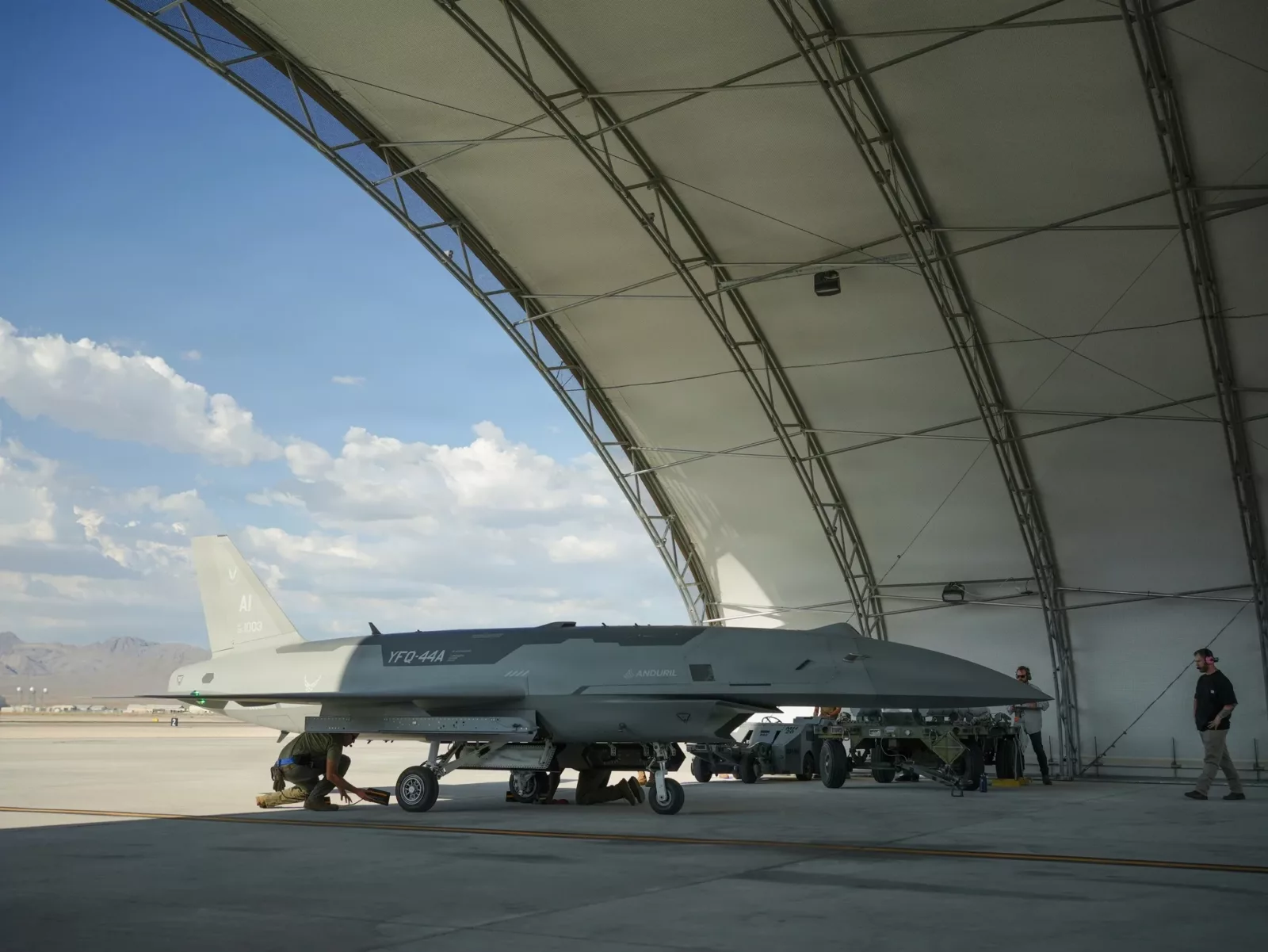
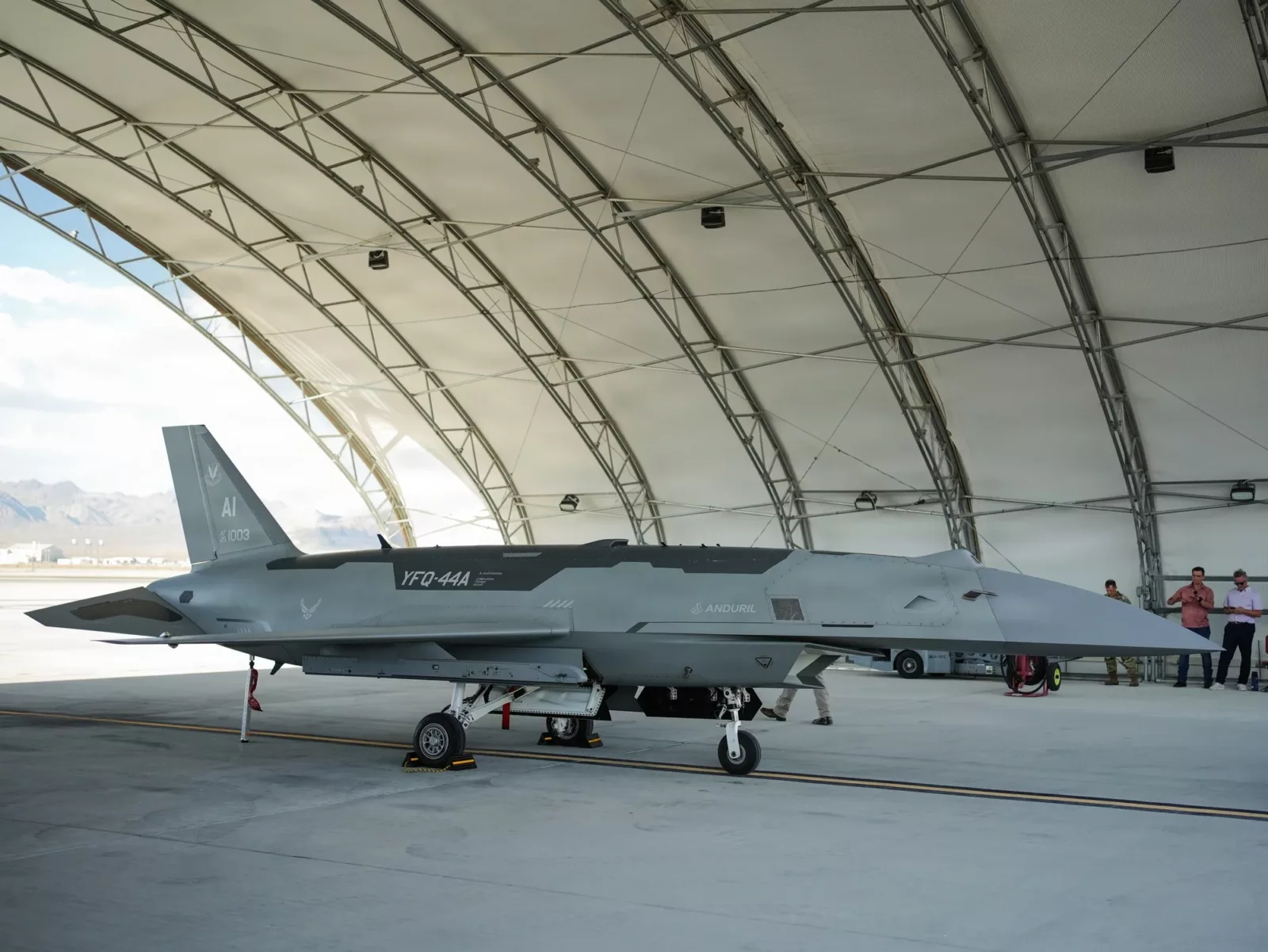
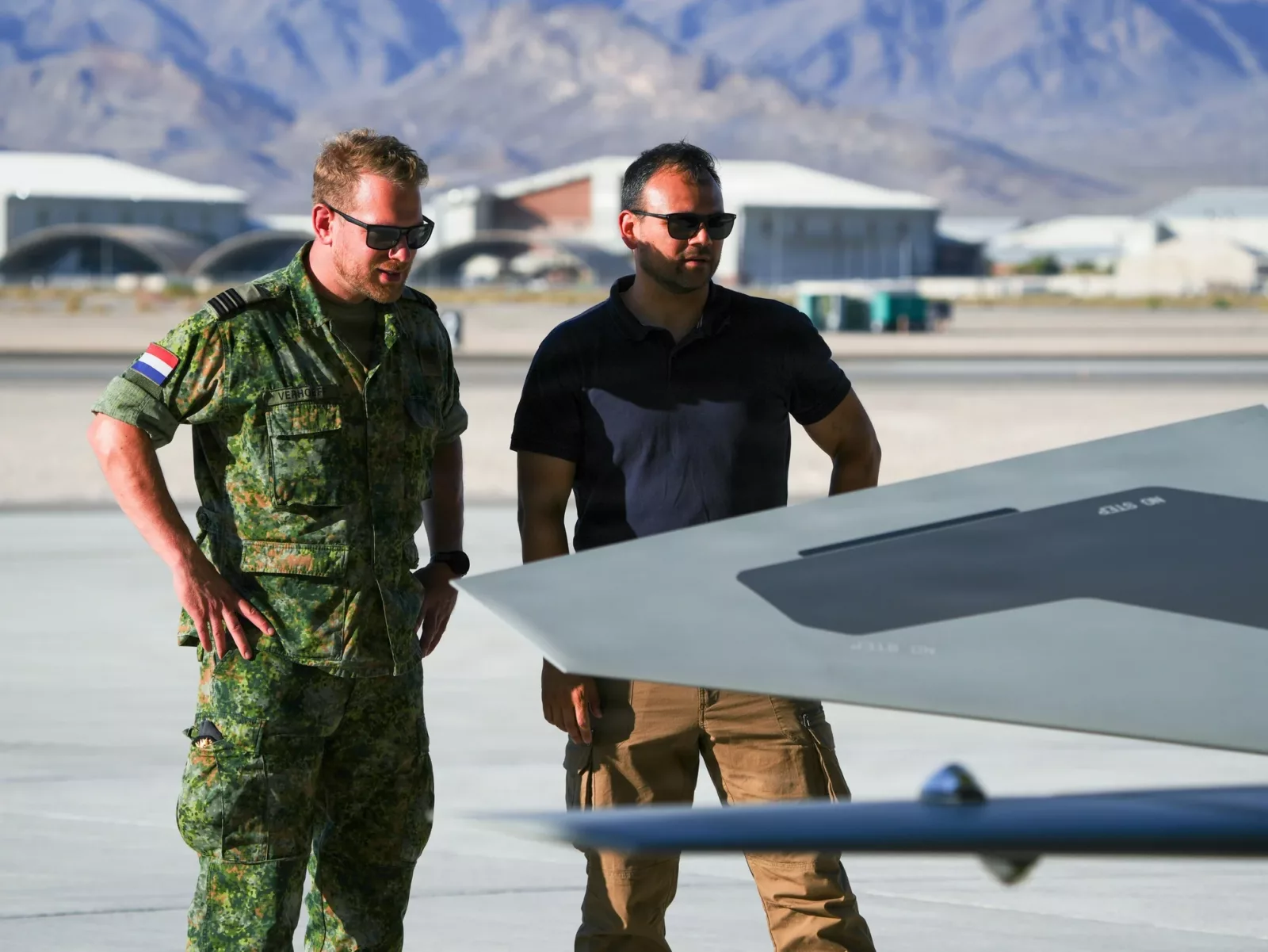
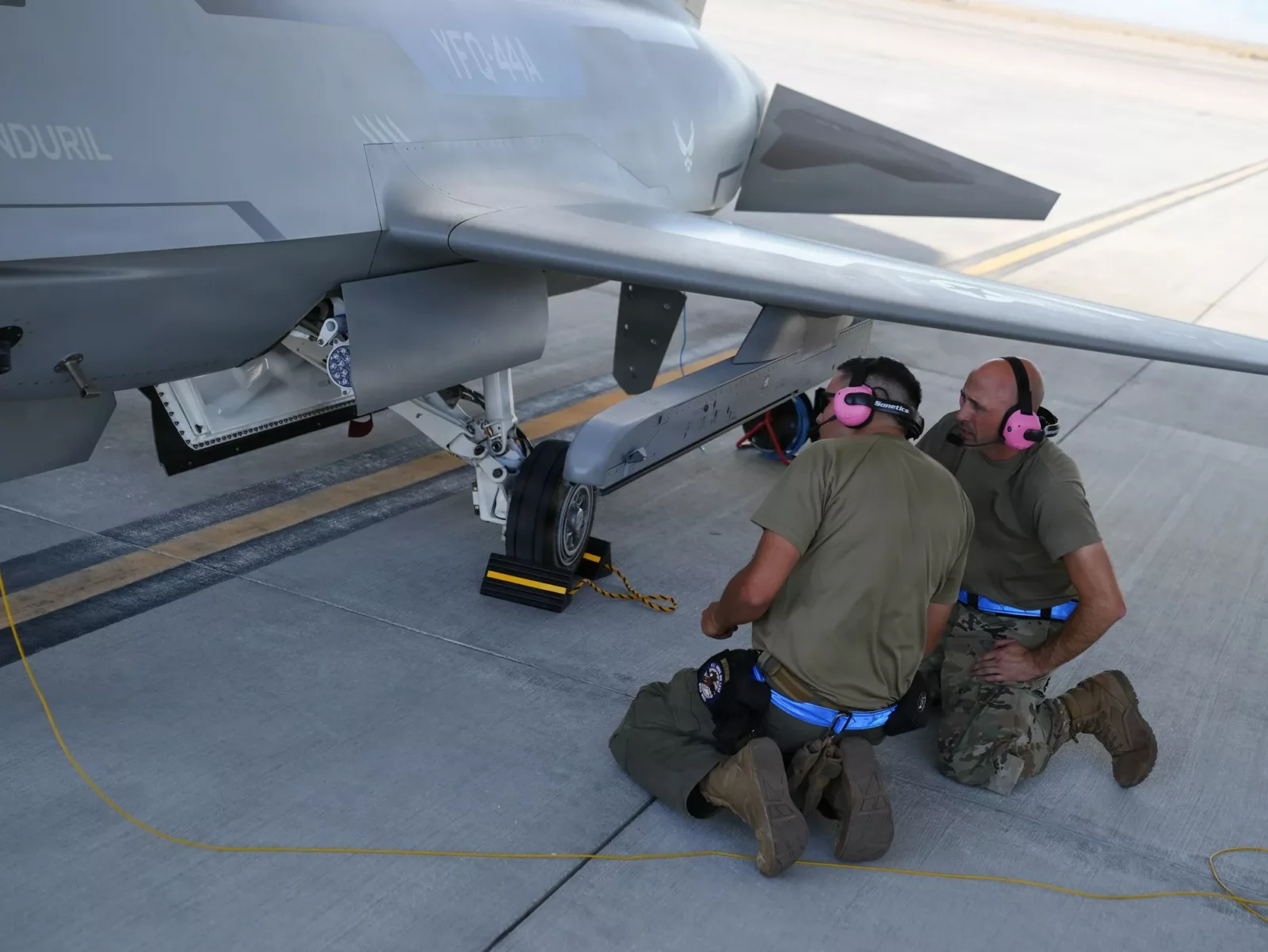
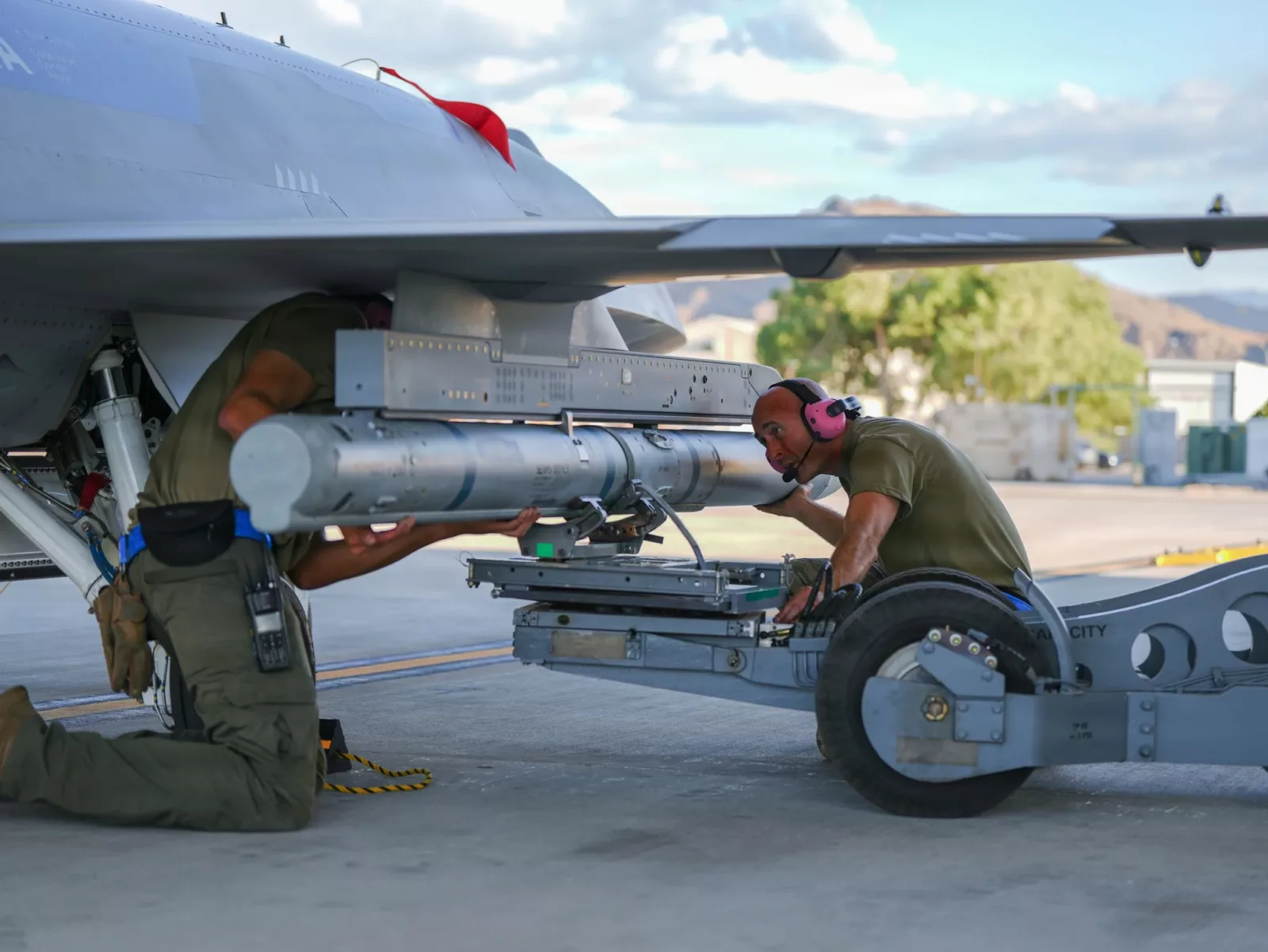
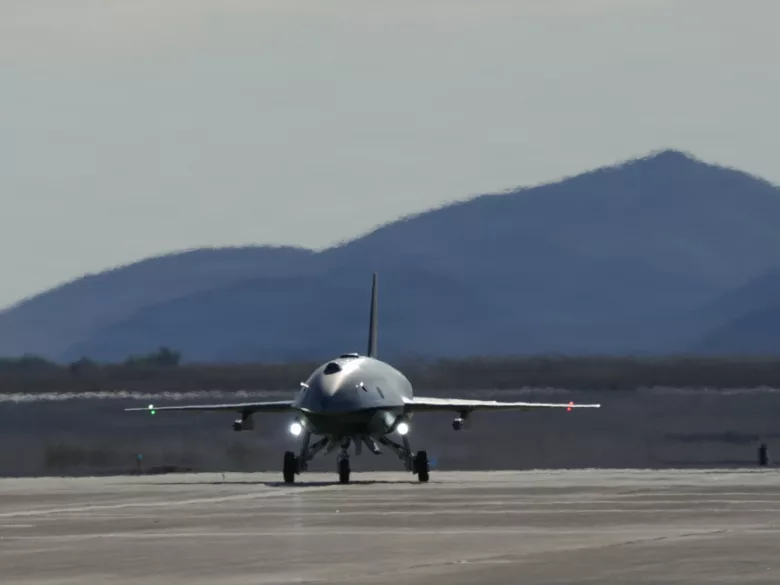
The copilot of the future does not sit in the cockpit. It flies alongside, and it has no pulse. The U.S. Air Force has just taken delivery of the first two examples of its autonomous wingman drones: the YFQ-44A Fury from the startup Anduril and the YFQ-42A Vengeance from General Atomics. Both were handed over to the Experimental Operations Unit at Creech Air Force Base in Nevada, the Air Force says. The Fury arrived in August, the Vengeance followed a few days ago. It is the first time uncrewed combat aircraft of this class have gone to an operational unit rather than a test center.
‘Loyal Wingmen’ for the F-35 and F-47
The drones fall under the Collaborative Combat Aircraft (CCA) program, colloquially known as “loyal wingmen.” They are meant to fly alongside crewed jets such as the F-35 and the future F-47 fighter, carrying sensors, scouting targets, running electronic warfare missions or deploying weapons themselves, controlled by A.I. and supervised by the pilots in the crewed aircraft.
“Putting CCA in the hands of Airmen is how we build the operational future of this program,” Secretary of the Air Force Troy Meink said, according to Defence Industry Europe. The Fury and Vengeance deliveries show “we can move at incredible speed, compete, and deliver cost-effective combat power to the force.” Chief of Staff Gen. Ken Wilsbach had already framed the goal over the summer: air superiority in contested environments requires “the rapid fielding of affordable mass.”
A Third of an F-35
The program’s key figures:
- Unit cost: About one third of an F-35A; the Air Force set the manufacturers a target price averaging $20 million (about 17 million euros).
- Quantity: At least 150 drones in the first increment by the end of the decade, with up to 500 planned in total, according to FlightGlobal.
- Budget: For fiscal 2027, the Air Force is requesting $1 billion for procurement and $1.4 billion for further development.
- Competition: Both designs have production contracts, but the split of quantities depends on how the jets perform in Nevada.
For Anduril, the Fury is the largest order in the company’s history. Founded in 2017 by Palmer Luckey, the company took the aircraft from drawing board to delivery in less than three years, a pace otherwise unusual in the U.S. defense industry. General Atomics, for its part, has built the Reaper and Predator drones for decades and brings that experience to the Vengeance.
Europe Is Catching Up
Comparable systems are taking shape in Europe too. Munich-based defense unicorn Helsing has unveiled its own uncrewed wingman, the CA-1 Europa, Airbus is working on its “Wingman” for the German Air Force, and Saab is also cooperating with Helsing. Helsing raised $1.8 billion from U.S. investors for the effort. The difference: in the United States, the drones are already flying with an operational unit, while in Europe they remain largely prototypes or announcements. The tests in Nevada will show whether A.I.-controlled combat aircraft flying in formation with crewed jets actually deliver what their makers promise.
Images From Creech Air Force Base