Waymo raises $16 billion, valuation rises to $126 billion


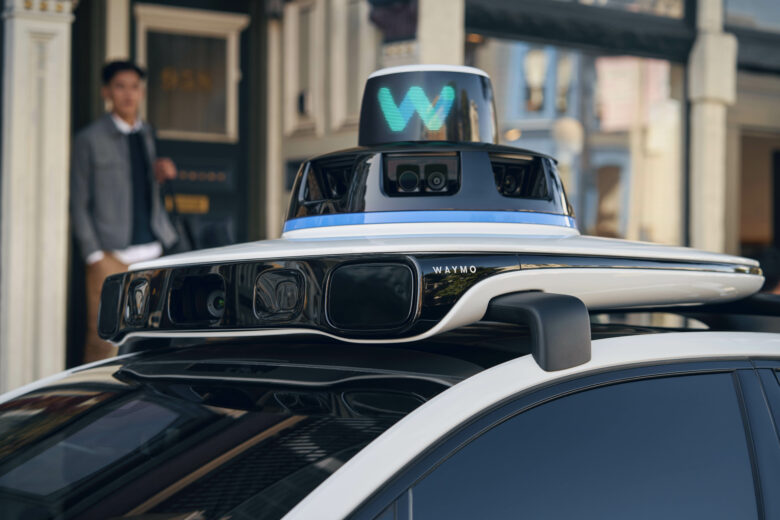


Waymo, a subsidiary of Alphabet, has completed a financing round of 16 billion dollars, achieving a company valuation of 126 billion dollars after accounting for the capital contributed. The investor group is led by Dragoneer Investment Group, DST Global, and Sequoia Capital, while Alphabet remains engaged as the majority shareholder and, according to earlier reports, contributes approximately 13 billion dollars.
Other participants include Andreessen Horowitz, Mubadala Capital, Bessemer Venture Partners, Silver Lake, Tiger Global, T. Rowe Price, and several established technology investors. The company is using the funds to accelerate its global expansion and expand its vehicle fleet in existing and new markets.
Safety Record and Operational Scope
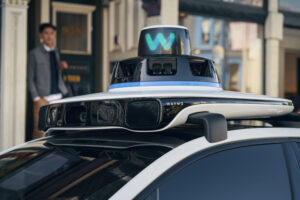
Waymo points to a safety record that is statistically superior according to its own data: across 127 million autonomously driven miles, the company has achieved a 90 percent reduction in severe injury accidents compared to human drivers. The company attributes this performance to a system that is not affected by distraction, impairment, or fatigue. The technology is based on years of development work and continuous data collection from real-world traffic.
It should be noted that a Waymo robotaxi recently struck a child in California, who sustained minor injuries. However, the company communicated that the software caused the vehicle to brake more strongly than a human would have been able to. The child had been obscured by another vehicle before running into the street.
In 2025, Waymo recorded 15 million trips according to company figures, tripling its annual volume compared to the previous year. Overall, the service has now completed more than 20 million trips. Currently, the company provides over 400,000 trips weekly across six major U.S. metropolitan regions. The service operates in cities such as San Francisco and Los Angeles through its own application, while in Austin and Atlanta a partnership with Uber Technologies forms the foundation.
Global Expansion and Market Position
The company plans to expand to more than 20 additional cities in 2026, including international markets such as Tokyo and London. Following the recent launch in Miami, the fleet is expected to grow significantly in both the United States and the United Kingdom. The expansion strategy aims to establish the technology in different urban environments and traffic situations.
In the competitive landscape, Waymo currently holds a leading position. Tesla operates limited driverless vehicles in Austin, while Zoox, a subsidiary of Amazon, operates a small robotaxi fleet on the Las Vegas Strip and is testing at additional locations. Other competitors are still in narrower testing phases, while Waymo already offers fully autonomous, paid services commercially.
Analysts, however, point to economic challenges. Bloomberg Intelligence estimates that Waymo’s cost per vehicle is approximately two to three times higher than Tesla’s, which currently limits fleet size. Despite the impressive trip numbers, the scale of operations is considered still modest. Observers believe that the newly contributed capital is used, among other things, to deepen partnerships with automakers that produce the robotaxis. The profitability of the business model has yet to be fully proven in the coming years as the company advances its scaling.