Waymo Admits to Using Philippine Remote Operators for Autonomous Taxis


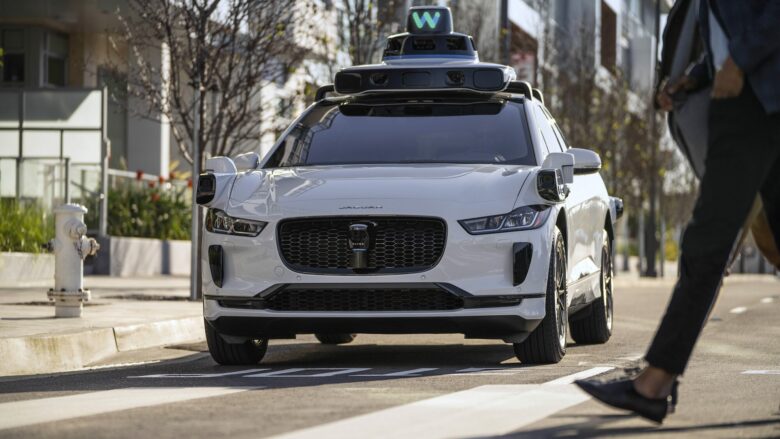


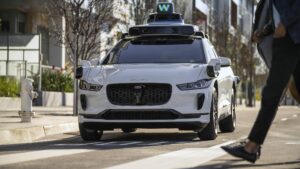
During a U.S. Senate hearing on autonomous vehicles, Waymo acknowledged that the company employs staff in the Philippines to assist its self-driving taxis in difficult traffic situations. The disclosure has sparked controversy, as safety experts and lawmakers express concerns about cybersecurity and foreign influence over American road vehicles. Waymo now operates a fleet of several thousand autonomous taxis across ten major metropolitan areas in the United States and positions itself as a leading provider in the robotaxi sector.
The hearing comes at a sensitive time: just one week earlier, a Waymo robotaxi struck and injured a child near an elementary school in Santa Monica, triggering a federal investigation. Waymo’s safety chief, Mauricio Peña, had to defend himself before the Senate committee not only regarding the use of Chinese vehicle components but also the company’s reliance on foreign workers. When pressed, Peña acknowledged that some operators live in the U.S., while others work in more distant countries such as the Philippines.
Remote Support as Additional Input
Waymo describes the system as a kind of remote assistance function: when the autonomous software encounters an unusual traffic situation, it can send a request to a human fleet response agent. This employee receives access to real-time camera footage from the vehicle’s external cameras and can provide the system with additional information to contextualize the surroundings. Peña emphasized before the committee that these operators merely provide guidance and do not remotely control the vehicles. The Waymo vehicle remains responsible for dynamic driving tasks and receives only additional input.
Senator Ed Markey of Massachusetts was unconvinced by this explanation. The Democratic lawmaker argues that people abroad influencing American vehicles represent a significant safety problem. The information that remote operators receive could be outdated and create enormous cybersecurity vulnerabilities. Markey also criticizes the lack of clarity about whether these employees even possess U.S. driver’s licenses. Beyond safety concerns, the senator also objects to the outsourcing of jobs abroad, which goes beyond the mere replacement of taxi drivers by Uber or Lyft.
Chinese Manufacturing Intensifies the Debate
In addition to the discussion about remote operators, Waymo came under pressure over its new Ojai vehicle model, which is being developed in collaboration with Zeekr, a subsidiary of Chinese automaker Geely. U.S. law prohibits the import of vehicles with autonomous or self-driving technology from China. Waymo defends itself by arguing that while the Ojai is built by a Chinese company, the technology used was developed in the United States. The combination of Chinese manufacturing and Philippine remote operators amplifies lawmakers’ concerns about foreign influence over critical infrastructure.
Tesla also faced similar questions during the hearing. Lars Moravy, vice president of vehicle engineering at Tesla, confirmed that his company’s vehicles also rely on comparable remote operators. The context is intensified by recent data from the National Highway Traffic Safety Administration showing that Tesla robotaxis crash three times more frequently than human-driven vehicles—even with human safety observers on board. Tesla quietly paused its unsupervised robotaxi operations last week, so currently no vehicles without a human safety monitor in the driver’s seat are operating.
In a statement, Waymo emphasizes that fleet response teams are located both in the United States and abroad and must meet strict requirements. Employees need a driver’s license for passenger cars or commercial vehicles and undergo checks for traffic violations, infractions, and driving-related convictions. Additionally, routine random drug tests and thorough criminal background checks are conducted. Senator Markey warns nonetheless that foreign remote support centers could be more vulnerable to physical takeover by hostile actors, potentially giving them driver-like control over thousands of vehicles carrying passengers on American roads.