GrowDACH+: A Smarter Way for CEE Companies to Enter the DACH Market



Expanding into the DACH region remains one of the most attractive and most underestimated growth steps for Central and Eastern European companies. Germany, Austria, and Switzerland offer scale, purchasing power, and long-term stability. Yet for many CEE founders, entering these markets turns out to be slower, more expensive, and more complex than expected.
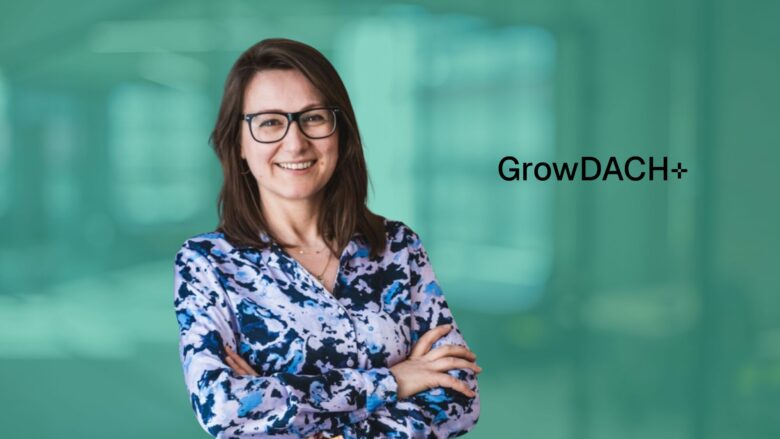
Few people know these challenges better than Tsvetoslava Kapatsinova. Over more than a decade, she has worked at the intersection of CEE and DACH ecosystems — supporting companies as they explored expansion paths, tested markets, and tried to turn early interest into sustainable traction. After years at the Vienna Business Agency, where she helped over 40 CEE companies establish themselves in Austria, she decided to take a more hands-on, execution-driven approach.
In an interview with Trending Topics, Tsvetoslava Kapatsinova, founder of GrowDACH+, shares why so many DACH expansions fail, what companies consistently underestimate, and how a “Country Manager on demand” model can change the way international growth is approached.
1. What is the story behind GrowDACH+? What inspired the idea?
GrowDACH+ was born out of frustration and pattern recognition. During my years at the Vienna Business Agency, I saw strong CEE companies with proven products repeatedly fail in DACH. Not because their solutions were weak, but because they ran into the same three barriers: historical bias against CEE companies, poor market entry preparation, and the false belief that their home market playbook will work in DACH.
I grew up in Bulgaria and have lived in Germany and Austria for over 25 years. I have one foot in each world. When I see companies like Czech Rohlik Group building Gurkerl or Payhawk scaling confidently from Bulgaria into DACH and beyond, I know these should not be rare exceptions. GrowDACH+ exists to make CEE success stories in DACH the norm, not the exception.
2. What key problems does GrowDACH+ solve, and what opportunities does it unlock?
Business in DACH runs on trust, relationships, and presence. That means founders or C-level executives spending weeks on the ground in Germany, Austria, or Switzerland instead of running their core business at home. It is exhausting, expensive, and pulls focus.
Companies typically invest 12 to 18 months and 50,000 to over 250,000 euros in market entry. Most of it drains into premature legal setups, hiring before validating demand, and unfocused relationship building that never produces actual business.
GrowDACH+ changes that. We provide a Country Manager on demand who acts as your Expansion Lead on the ground. You build visibility and traction immediately, without the overhead of a legal entity or local team upfront. This reduces risk, accelerates learning, and allows founders to stay focused while still building credibility and momentum in DACH.
3. Who is GrowDACH+ designed for? What is your target group?
GrowDACH+ supports growing SMEs and scale-ups from CEE entering the German-speaking markets. We are industry-agnostic, and so far have run pilot projects in FemTech, Hospitality, Life Sciences, and Consumer Goods.
We support DACH-curious companies with early insights, but our core focus is on businesses that already have initial traction or market understanding and want to scale. We are not the right partner for companies without a product-market-fit or those operating in highly regulated spaces where we cannot add immediate value. We believe in saying “No” early and honestly. It saves founders time and money, and it keeps us focused on clients we can actually help succeed.
4. Country Manager on demand vs. Business Development Manager – what is the difference?
A Business Development Manager opens doors and builds pipelines. They chase opportunities, generate leads, and push for early sales. Incredibly valuable for testing demand or closing first deals, but the role typically ends where sales KPIs end.
A Country Manager takes on broader responsibility. They become an integrated part of your team. Business development is part of the role but so is defining market entry strategy, refining positioning, building partnerships, increasing local visibility, representing the company at events, and translating market insights back to headquarters. A Business Developer may open the first doors, but a Country Manager ensures that these opportunities turn into a sustainable market.
5. How does GrowDACH+ differ from other market-entry or support programs in the region?
Most programs assume DACH is your next logical step. We start with a question: Does DACH actually make sense for you right now? If yes, which country and with what go-to-market strategy?
Once aligned on strategy, we stay with you through execution. The model is modular and flexible – from market research and lead generation to full local representation via a Country Manager on demand, including entity setup when the timing is right. Transparent, project-based, and cost-efficient.
6. Why is having someone on the ground so important for early market entry?
Having someone on the ground shortens feedback loops and improves access to decision makers. But more importantly, it builds credibility and local fluency. DACH buyers need to see that you are committed, that you understand local nuances, speak the language, navigate cultural expectations, and that you will be there when issues arise. Boots on the ground transforms you from an external vendor into a credible local player. That shift opens doors that remote pitches simply cannot.
aws First Incubator 2026 Opens Applications for Early-Stage Startups
7. From your perspective, what is the key difference between a soft landing and actually executing in a new market?
Soft landing programs from agencies like Vienna Business Agency or Invest in Bavaria provide crucial orientation and early connections. They help companies understand the landscape and meet potential partners. That foundation is crucial, but orientation alone doesn’t build a market.
What is missing is daily execution – someone on the ground daily, driving conversations, partnerships, and tasks forward. That gap between soft landing and real traction is where many companies struggle. We partner with these agencies to bridge that gap. They provide the soft landing, we provide the execution that turns orientation into revenue.
8. What does a successful market penetration test look like for you?
Success means fast clarity. We work in sprints, but recommend at least three months for meaningful results. After three months, you should have a clear picture: validated target segments, a tested value proposition, quality conversations with customers or partners, pilots, or commercial offers moving forward. Most importantly, enough data for a confident decision whether to double down or pivot.
9. What do companies gain from the GrowDACH+ network?
Access to a curated network of validated partners: cross-border legal experts, funding advisors familiar with DACH investors, and marketing specialists who understand local nuances. This dramatically reduces trial-and-error costs.
Equally important is the peer network. Companies connect directly, share live introductions, and open doors for each other. When peer learning meets peer networking, expansion accelerates. You learn from their mistakes and benefit from their connections.
10. What is next for GrowDACH+?
Our focus is on strengthening our Vienna hub and scaling the Country Manager on demand model. In 2026, we expand with local Country Managers in Germany and Switzerland, giving clients authentic representation in each market.
At the same time, we’re building more founder-focused peer learning formats and community meetups. This enables international companies to learn from each other’s expansion journeys in DACH. When founders share what worked and what failed, everyone moves faster.
How German-Bulgarian Tech Collaboration Strengthens EU Defense Autonomy