Nvidia Stops Chip Production for Chinese Market

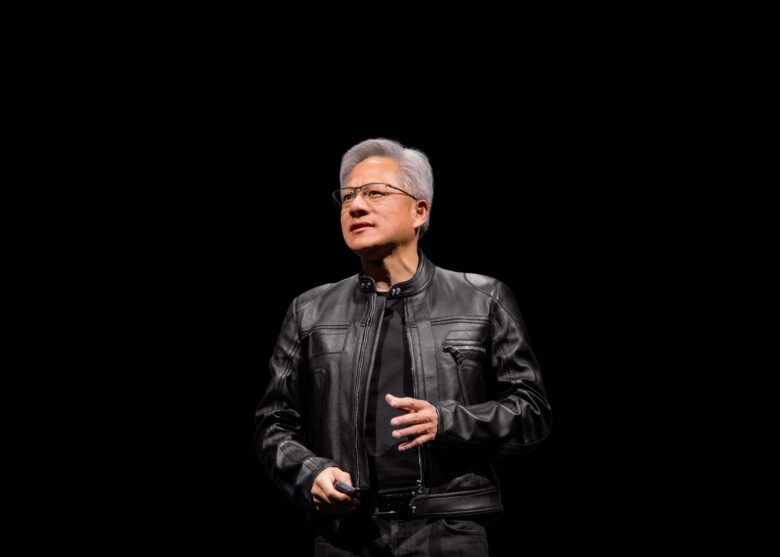


Nvidia has stopped producing chips for the Chinese market, according to the Financial Times. The semiconductor company expects that regulatory barriers in Washington and Beijing will continue to limit sales to China. The US chip manufacturer has halted production of H200 chips and is now focusing on next-generation hardware Vera Rubin, according to two people with knowledge of the matter.
The move indicates that Nvidia does not anticipate strong H200 demand in China in the near future, following months of uncertainty surrounding US export licenses and possible restrictions from China.
The H200 is part of Nvidia’s earlier generation of AI processors and is generally viewed as compliant with US export regulations governing advanced chips sold to China. By contrast, Vera Rubin is the company’s newest chip architecture, built to power more complex AI systems and already sought after by major US technology firms such as OpenAI and Google. Washington has increasingly tightened rules on exporting high-end semiconductors to China, while Beijing has signaled its intention to curb imports in order to strengthen domestic chip producers.
Regulatory uncertainty forces strategy shift
Nvidia had engaged in extensive lobbying efforts in both Washington and Beijing to secure approval for selling its H200 chips in China. After US President Donald Trump suggested in December that sales might be authorized, the company significantly increased production.
Soon afterward, however, the approval process stalled. The State Department advocated for tougher limitations aimed at preventing China from deploying H200 chips in ways that could threaten US national security. At the same time, China is working to expand its own semiconductor sector and pushing domestic AI firms to adopt locally produced chips.
Against this backdrop, Nvidia sees reallocating production capacity toward the Vera Rubin platform as a more stable long-term growth strategy. By prioritizing the next generation of AI hardware, the company hopes to reinforce its technological advantage while lowering its exposure to geopolitically uncertain markets.
Xi–Trump meeting seen as possible turning point
Chinese President Xi Jinping and Donald Trump are expected to meet in late March. Some industry analysts speculate that the talks could potentially lead to an agreement easing chip export restrictions. If such a deal were reached, Nvidia would likely need up to three months to redirect supply chain capacity back to H200 production. In the meantime, existing inventories could be used to meet demand and maintain deliveries.