LUCAS: US $35,000 Kamikaze Drone Based on Reverse-Engineered Iranian Shahed-136


Set Trending Topics as a preferred source on Google.
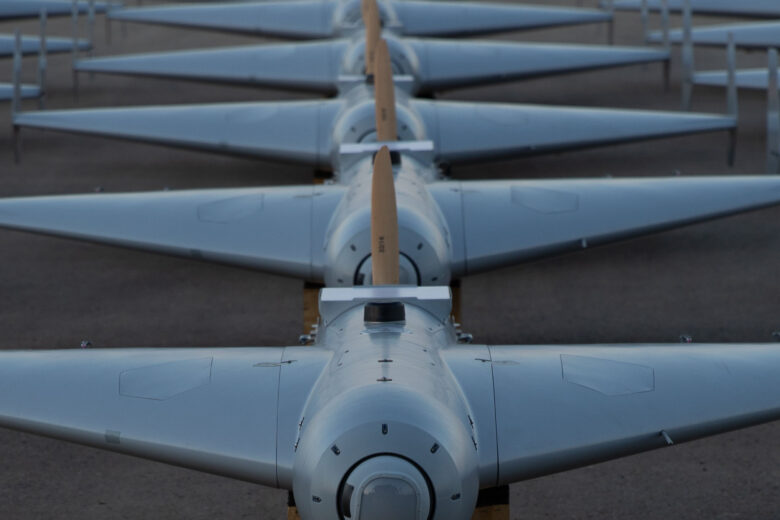
According to its Central Command (CENTCOM), the US military used so-called LUCAS drones in combat for the first time on February 28, 2026. The combat drones were deployed as part of Operation “Epic Fury” against targets in Iran. LUCAS stands for Low-cost Unmanned Combat Attack System.
Development Based on Iranian Model
The LUCAS drone is directly based on the Iranian Shahed-136, a kamikaze drone type that Russia has been using intensively in the Ukraine war for years under the name Geran-2. According to a US government representative, the US military obtained an Iranian Shahed-136, analyzed it, and developed its own version through reverse engineering.
A US official explained in December 2025: “We obtained an Iranian Shahed, examined it, and replicated it. We are working with several US companies in the innovation sector. The LUCAS drone is the product of these efforts. It essentially follows the Shahed design.”
Technical Features and Costs
According to CENTCOM spokesman Captain Tim Hawkins, the LUCAS drone costs approximately $35,000 per unit. This makes it significantly cheaper than conventional cruise missiles such as Tomahawk rockets. The drone has a long range and can operate beyond the line of sight.
The design includes features for autonomous coordination, enabling swarm tactics and network-centric attacks. Some drones are equipped with Starlink terminals, allowing advanced cooperative tactics and dynamic target acquisition while maintaining human control. The drones can be launched using various mechanisms, including catapults, rocket-assisted launch, and mobile ground and vehicle systems.
Manufacturer and Specifications
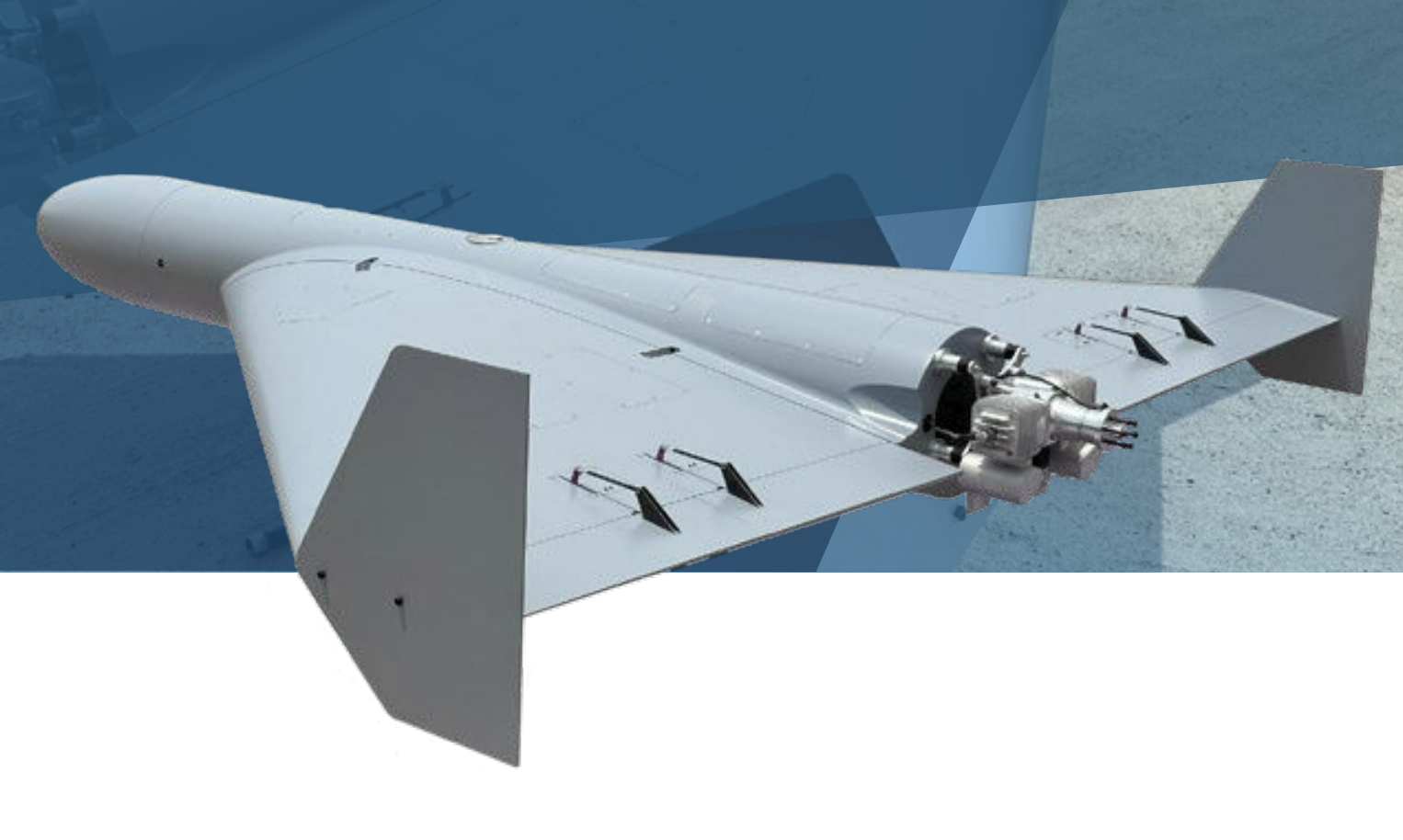
The LUCAS drone was co-developed by SpektreWorks, an engineering firm based in Phoenix, Arizona, specializing in unmanned systems. The company’s website provides the following specifications for a related target drone design called FLM 136:
- Maximum range: 444 miles (714 kilometers)
- Flight duration: up to six hours
- Payload capacity: 40 pounds (18 kilograms)
- Cruise speed: approximately 74 knots (137 km/h)
- Maximum speed: up to 105 knots (194 km/h)
It is unclear whether these specifications apply exactly to the operationally deployed LUCAS version.
Origin of the Design
The development history of the Shahed-136 itself is complex. The Iranian design was originally based on an Israeli concept, which in turn had roots in a German design from the 1980s. Iran has developed various versions over the years, including the Shahed-238 with radar and electro-optical guidance as well as jet-powered variants.
Russia now produces its own variants and further developments of the design, referred to there as Geran. Both Iran and Russia are working to integrate more dynamic targeting capabilities into their respective versions.
Task Force Scorpion Strike
In December 2025, CENTCOM announced the establishment of Task Force Scorpion Strike, created specifically for the deployment of LUCAS drones. According to a US official, the unit was established to “turn the script against Iran.” The term “squadron” did not refer to the actual number of drones, which could range between 100 and 2,000.
On December 16, 2025, a LUCAS drone was test-launched from the Littoral Combat Ship USS Santa Barbara in the Persian Gulf. This demonstrated the versatility of launch options for the system.
Deployment and Strategic Context
In the attacks on Iran on February 28, 2026, in addition to LUCAS drones, Tomahawk cruise missiles, the High Mobility Artillery Rocket System (HIMARS), and other unspecified weapons systems were used. The exact number of LUCAS drones deployed, the targets hit, and the impact of the attacks were not disclosed by the US side.
Iran responded to the attacks with volleys of rockets at US bases in Qatar, Bahrain, Kuwait, and the United Arab Emirates. Iranian Shahed drones were also used, striking the headquarters of the 5th US Fleet in Manama, Bahrain. According to a CENTCOM official, some drones penetrated air defenses but caused only minimal damage and no casualties.
Production Capacities and Availability
Production capacities for both LUCAS drones and Iranian Shahed drones are limited. Iran relies on smuggled components such as accelerometers, gyroscopes, and satellite navigation receivers for manufacturing, as Western sanctions restrict access to these components.
Russia has expanded its production capacities for Shahed drones under license. According to the Institute for Science and International Security, Russia aims to produce up to 25,000 Shahed-136 drones per year at its Alabuga SEZ facility, with the actual number likely around 18,540. Production costs are estimated at $80,000 per unit.
Significance for Modern Warfare
The deployment of LUCAS drones marks a significant shift in US military strategy. It is the first time the US has used long-range kamikaze drones in combat. The fact that this occurred precisely against the country from which the original design originated is, at least, noteworthy.
Pentagon leadership has made the procurement of low-cost drones a priority to keep pace with Russia and China. The modular, open architecture of LUCAS enables the use of various payloads for different missions, including reconnaissance and intelligence gathering in addition to strike operations.