Europe Faces Jet Fuel Shortage in “Six Weeks” as Hormuz Blockade Tightens


Set Trending Topics as a preferred source on Google.
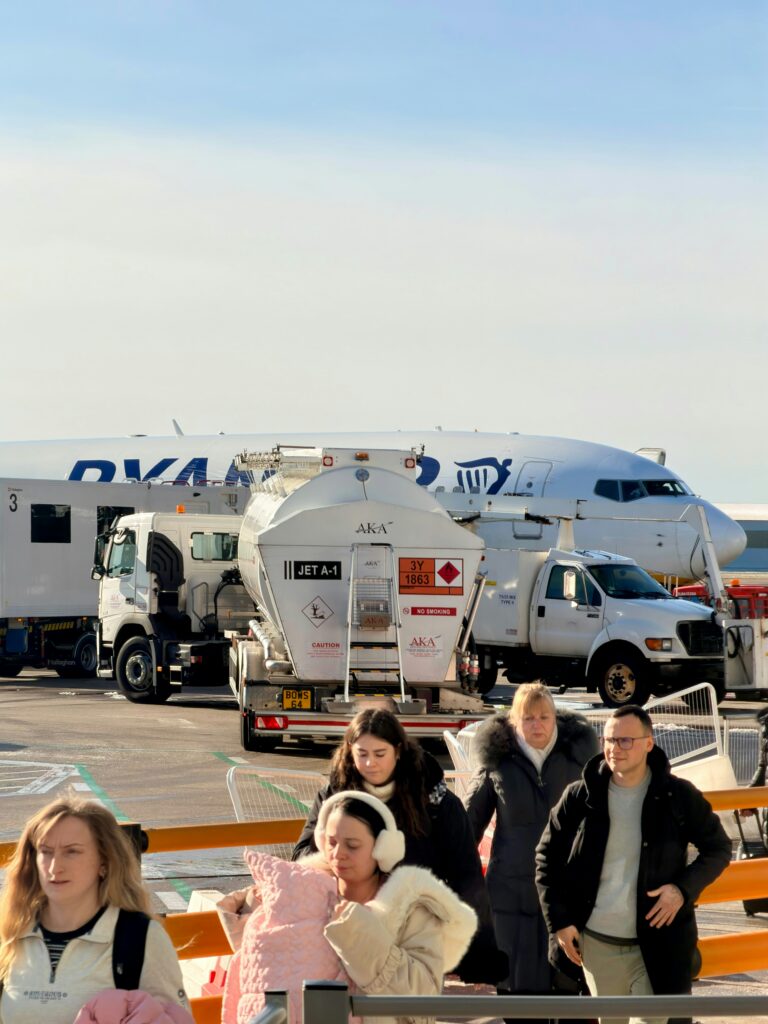
The blockade of the Strait of Hormuz as a result of the Iran war is placing Europe’s aviation industry under growing pressure. Experts are warning of a worsening supply crisis for jet fuel, while the EU Commission has so far urged calm. The coming weeks could prove decisive.
IEA Chief Sounds the Alarm
Fatih Birol, Executive Director of the International Energy Agency (IEA), painted a bleak picture of the situation in an interview with the news agency AP. Europe currently has only limited reserves of jet fuel.
“In Europe, we may have six weeks or so of kerosene left. If we cannot open the Strait of Hormuz, we will soon hear that flights from city A to city B are being cancelled due to a lack of kerosene.”
Birol described the current situation as “the biggest energy crisis we have ever experienced.” Around 20 percent of the world’s traded oil passes through the Strait of Hormuz in peacetime. The disruption of this route affects not only aviation but has far-reaching consequences for petrol, gas, and electricity prices worldwide. Developing countries in Asia, Africa, and Latin America are said to be particularly hard hit.
Further Experts Confirm the Danger
Claudio Galimberti, an economist at the analysis firm Rystad Energy, also warns of a rapid escalation. The situation could become systemic within the next three to four weeks, in his assessment. Significant flight cancellations are already possible in May and June. According to Galimberti, initial flights have already been cancelled due to jet fuel shortages.
The European umbrella association of airport operators (ACI Europe) had already warned the EU Commission in writing last week: a serious jet fuel shortage could occur from the beginning of May if tankers are unable to pass through the Strait of Hormuz again. The association stressed that the shortage threatens to affect the entire summer travel season.
Airline Reactions
Several airlines have commented on the situation without directly confirming the IEA’s warnings:
- KLM and easyJet stated that they are currently not experiencing any fuel shortages, but declined to comment further on the IEA warning.
- Delta Air Lines said it is monitoring the “potential jet fuel supply problem” in Europe, but does not expect any immediate impact.
- Lufthansa has grounded its regional subsidiary CityLine with immediate effect in order to reduce losses caused by rising jet fuel prices and ongoing strikes.
All of the airlines mentioned are already affected by significantly higher fuel costs. According to industry reports, jet fuel prices have risen by around 80 percent, prompting many carriers to raise their ticket prices.
Background: Europe’s Structural Dependency
Europe is by far the largest consumer of kerosene shipped through the Strait of Hormuz. The United Kingdom, Europe’s leading kerosene consumer, now has only four refineries, compared with 18 in the 1970s. This structural dependency on imports makes the continent particularly vulnerable to supply disruptions.
IEA chief Birol also warned that energy markets could change permanently. Even after the Strait of Hormuz reopens, it will not simply be possible to return to the previous state of affairs.
EU Commission and Federal Government Urge Calm
The EU Commission has so far responded cautiously to the warnings. A spokesperson stressed that there are currently no indications of an actual fuel shortage. At the same time, she acknowledged that “supply bottlenecks could occur in the near future, particularly with regard to jet fuel.”
German Federal Minister of Economic Affairs Katherina Reiche also struck a measured tone. She said she does not currently see any imminent shortage of aviation fuel in Germany and cannot confirm the concerns that have been expressed. Reiche pointed out that kerosene is also produced in German refineries and that the German economy is therefore not exclusively dependent on imports.
Austrian Energy Minister Wolfgang Hattmannsdorfer (ÖVP) likewise assumes that a shortage of kerosene and diesel will occur, and is already anticipating bottlenecks from May onwards.