Fed Holds Rates Steady as Middle East War Stokes “Wew Inflation” Fears

Set Trending Topics as a preferred source on Google.
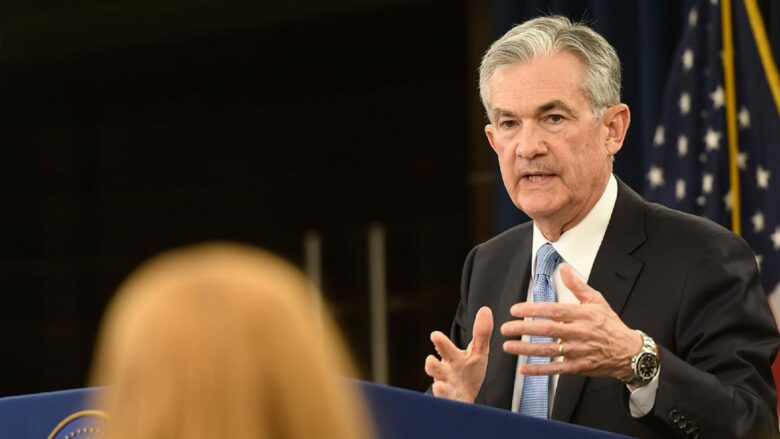
At its meeting on March 18, 2026, the US Federal Reserve decided to leave its key interest rate unchanged in the range of 3.50 to 3.75 percent. The decision was in line with market expectations, but the subsequent statements by Fed Chair Jerome Powell caused considerable turbulence on the stock markets.
Interest Rate Pause Extended
The Fed had already paused rate changes in January. The responsible committee (FOMC) now confirmed this course. The central bank cited persistently high economic uncertainty as well as the unclear consequences of the conflict in the Middle East for the US economy as its justification.
“Uncertainty surrounding the economic outlook remains high. The effects of developments in the Middle East on the US economy are uncertain.”
At the same time, the Fed emphasized that the economy as a whole was growing solidly, but that inflation remained slightly elevated. The central bank reaffirmed its goal of bringing inflation back to its target level of 2 percent while also securing full employment.
Middle East Conflict as New Driver of Inflation
Powell explicitly warned that the Iran conflict was introducing “new inflation” into the US economy. This assessment prompted the Fed governors to put further interest rate cuts for the current year on hold for the time being. For consumers and investors, this means: elevated energy prices could be felt not only at the pump, but also in portfolios.
The decision was largely unanimous, though not without dissent. Governor Stephen Miran was the only member to vote for a rate cut of 0.25 percentage points. Market observers such as Art Hogan, chief strategist at B. Riley Wealth, described Miran as someone on “rate-cut autopilot.” At the previous meetings in December and January, there had been an unusually high level of dissent, with three and two dissenting votes respectively.
Markets React with Losses
The reaction in financial markets was clearly negative. Both stocks and bonds fell following the meeting, and the major US indices extended their losses through the close of trading. In particular, Powell’s reference to geopolitical risks and the associated reluctance to make future rate cuts weighed on investor sentiment.
Outlook
The Fed signaled that it would continue to monitor the data carefully before making further adjustments to the key interest rate. The committee emphasized its readiness to adjust monetary policy as needed should new risks to the achievement of its goals arise. For Powell, this is one of the last meetings in his role as Fed Chair.
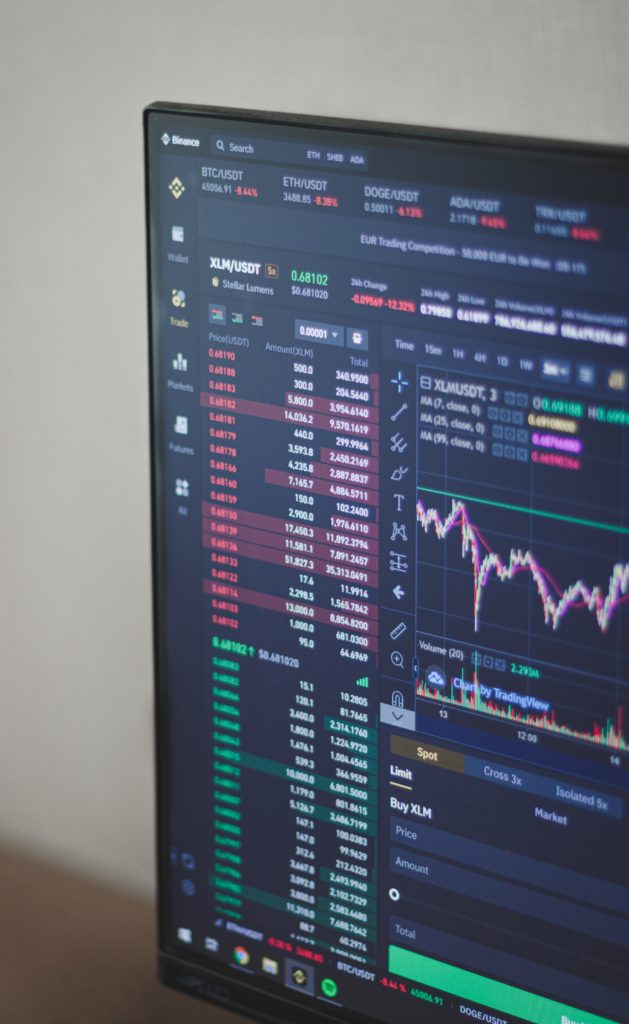
Crypto assets also suffered significant losses this Wednesday, following a strong week with substantial gains (some altcoins were up by double digits):
| # | Coins | Ticker | Price (USD) | 24h % |
|---|---|---|---|---|
| 1 | Bitcoin | BTC | $71.324,82 | -4,53% |
| 2 | Ethereum | ETH | $2.202,91 | -5,82% |
| 3 | XRP | XRP | $1,46 | -4,31% |
| 4 | BNB | BNB | $652,16 | -3,25% |
| 5 | Solana | SOL | $90,38 | -5,15% |
| 6 | TRON | TRX | $0,3040 | -0,64% |
| 7 | Dogecoin | DOGE | $0,09537 | -5,71% |
| 8 | Hyperliquid | HYPE | $42,57 | +1,69% |
| 9 | Cardano | ADA | $0,2742 | -5,70% |
| 10 | Bitcoin Cash | BCH | $457,38 | -3,81% |
| 11 | UNUS SED LEO | LEO | $9,06 | +0,06% |