Oil Surges Past $110 as Middle East Conflict Chokes Global Supply


Set Trending Topics as a preferred source on Google.
Global oil prices rose above $110 per barrel on Monday, reaching their highest level in nearly four years. Brent crude, the international benchmark for crude oil, climbed temporarily to as high as $120 before prices fell back below $110 following reports of possible releases of strategic oil reserves by G7 nations. Oil prices had last exceeded the $100 mark during the COVID-19 pandemic in 2022, shortly after Russia’s attack on Ukraine.
Military operations in the Middle East drive prices higher
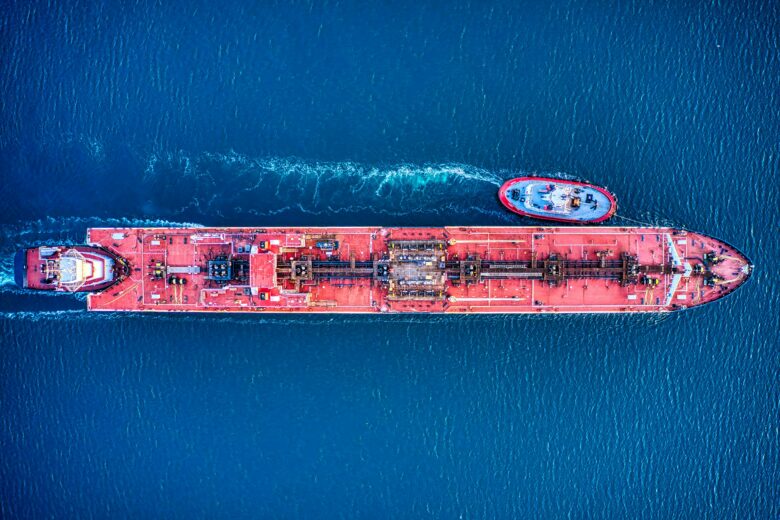
The dramatic price increase is a direct consequence of escalating military operations in the Middle East. Since the beginning of US and Israeli attacks on Iran on February 28, oil has become approximately 50 percent more expensive. The Strait of Hormuz, through which normally one-fifth of global oil production and substantial quantities of natural gas are transported, has been practically closed for more than a week. This has intensified traders’ concerns that access to oil and gas from the Gulf region could remain significantly restricted.
“The world has no shortage of oil or natural gas today,” US Energy Secretary Chris Wright told CNN, attempting to dampen concerns about sustained high energy prices.
Massive impacts on global markets
Financial markets reacted to the oil price explosion with significant losses. In Asia, where economies are heavily dependent on oil imports from the Middle East, stock markets collapsed:
- Japan’s Nikkei index fell by up to 8 percent during the trading day and was down 5.8 percent at 52,380 points in the afternoon
- South Korea’s market lost 6 percent
- In Japan, prices also fell by 4 to 5 percent
- The broader Topix index lost more than 5 percent
Tangible consequences for consumers worldwide
Rising oil prices are already affecting consumers. In the United States, the average price for a gallon of gasoline climbed by about 16 percent to $3.45 by Sunday, compared to the time before the war began. Diesel became even more expensive, rising roughly 22 percent. Natural gas, which is used for heating homes and generating electricity, has also become significantly more expensive, particularly in Europe and Asia. In Europe, natural gas prices rose 64 percent compared to the time before the war.
At gas stations, Austrians are noticing the price increases clearly. For the first time in a long while, a liter of gasoline costs 2 euros or more.
Inflation concerns and monetary policy challenges
The sudden increase in oil and gas prices has reignited inflation concerns. Investors’ inflation expectations have risen significantly: they now expect inflation of approximately 4.5 percent over the next twelve months, compared with a forecast of 2.3 percent at the beginning of the year. This puts the US Federal Reserve in a dilemma, as it typically combats rising prices with high interest rates, yet weak labor market data from Friday argue for a rate cut.
Yields on government bonds, which influence borrowing costs for businesses and consumers, have risen since the war began. The two-year US Treasury bond increased by approximately 0.2 percentage points to 3.56 percent.
Political reactions and outlook
US President Donald Trump, who campaigned in part on the promise of lower energy costs, described the higher oil prices in a post on Truth Social as “short-term” and as “a very small price for the security and peace of the USA and the world.” According to the Financial Times, G7 finance ministers planned a conference call for Monday to discuss releasing oil reserves. US Energy Secretary Wright expressed the expectation that disruptions to shipping through the Strait of Hormuz would last weeks rather than months in the worst case.