Arm Breaks With 36-Year Strategy by Launching Its Own AI Chip


Set Trending Topics as a preferred source on Google.
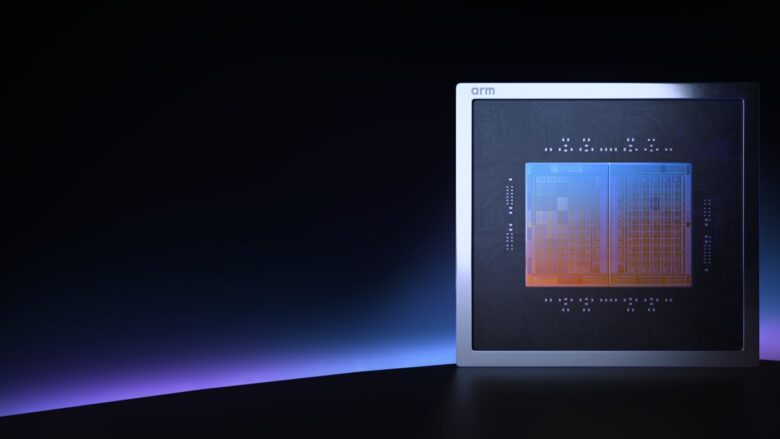
British semiconductor company Arm Holdings has taken a significant strategic step after nearly 36 years as a pure licensor: for the first time, the company is developing and selling its own processor. The new chip is called the AGI CPU and is aimed at use in AI data centers.
From Blueprint to Finished Product
Arm was previously known primarily for designing processor architectures and licensing them to other chip manufacturers such as Qualcomm, Nvidia, and Apple. These companies used the designs as the basis for their own processors and paid Arm a fee per unit sold. For decades, this model was the company’s sole source of revenue.
With the unveiling of the AGI CPU at an event in San Francisco, Arm has now broken with this principle. The chip was developed on the basis of the company’s proprietary Neoverse CPU IP cores and was designed in close collaboration with Meta. It is manufactured by Taiwanese contract manufacturer TSMC using the advanced 3-nanometer process. Technically, it consists of two separate pieces of silicon that function together as a single chip.
Use Case: Agent-Based AI Systems
The AGI CPU is specifically designed for so-called agentic AI workloads. This refers to AI systems that can act autonomously on behalf of users without requiring constant human input. This distinguishes them from conventional chatbots, which merely respond to direct requests.
Arm emphasizes that CPUs play a central role in modern AI data centers. They manage distributed tasks, coordinate memory and data storage, schedule compute loads, and control the flow of data between various system components. The company describes the CPU as the “pacemaking element of modern infrastructure.”
First Customers and Partners
Meta is the first customer for the new chip. The AGI CPU is set to be used there alongside Meta’s own training and inference accelerators. Several other companies have already announced themselves as customers or launch partners:
- OpenAI
- Cloudflare
- Cerebras
- SAP
- SK Telecom
- Amazon Web Services
- Broadcom
- Microsoft Azure
- Micron
- Marvell
- Databricks
- Nvidia
- Samsung
In addition, Arm is working with server manufacturers such as Lenovo and Quanta Computer to offer complete server systems based on the new chip.
Voices from the Company
“It is a very pivotal moment for the company,” said Arm CEO Rene Haas in an interview with Reuters.
According to media reports, development of the chip began as early as 2023. Large-scale production is planned for the second half of 2026. Initial test chips are said to have already functioned successfully. Arm also plans to bring further proprietary chip designs to market at intervals of 12 to 18 months.
Competition with Its Own Licensees
The move is not without controversy: Arm is now entering into direct competition with many companies that were previously among its most important customers. At the same time, the market entry is taking place in a tense environment. Manufacturers such as Intel and AMD recently reported longer delivery times for their processors, particularly for the Chinese market. Rising computer prices as a result of CPU shortages are increasing pressure across the entire industry.
Arm itself is majority-owned by Japanese technology conglomerate and major investor SoftBank Group. With the AGI CPU, the company is now positioning itself not merely as a silent supplier, but as an independent player in the growing market for AI infrastructure.