Binance Bets on A.I., but Europe Remains a Problem


Set Trending Topics as a preferred source on Google.
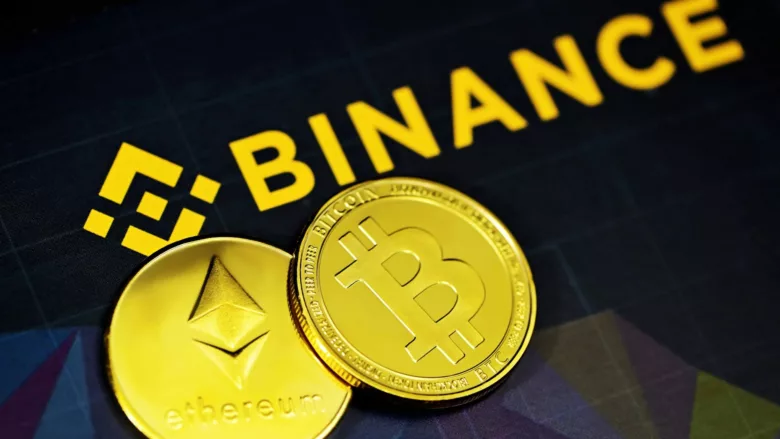
Market know-how for everyone, but still no license for Europe: Binance has just rolled out its new A.I. interface, Binance AI, to all English-speaking users worldwide, The Block reported. At the same time, the world’s largest crypto exchange is under pressure in the European Union, where it still lacks approval under the bloc’s new crypto rules, known as MiCA.
What Binance AI Can Do
Binance AI is a so-called generative interface: The A.I. assembles market information, portfolio tracking and trading tools based on each user’s interests and experience level. Its main features:
- Portfolio summaries: The A.I. sums up how a user’s portfolio has performed in short texts.
- Market analysis: The cryptocurrencies with the biggest price moves are analyzed automatically.
- Briefings and alerts: Market reports are available on demand as text or audio, along with voice alerts.
According to The Block, Binance AI cannot trade on its own; users still place orders themselves. The tool is free, and about 150,000 people tried it during a beta phase that began in September. More languages are set to follow, and Binance has already previewed a professional version called Binance AI Pro.
“Blockchain is giving everyone access to markets; AI gives everyone the knowledge to navigate them,” said Richard Teng, Binance’s co-chief executive. Jeff Li, the vice president of product, added: “Markets are becoming more complex, but the tools to understand them should become easier to use.”
Rivals Are Betting on A.I. Agents
Binance is not alone with the idea, and some platforms go even further. Robinhood now lets its customers have A.I. agents trade around the clock, and the crypto exchange Bybit has launched a trading API that lets ChatGPT, Claude and other A.I. assistants connect directly to a trading account. Binance, for now, is focusing on information rather than automated trading. The Vienna-based crypto broker Bitpanda, meanwhile, is leaning heavily on partnerships with banks in Europe: Together with Raiffeisen Bank International, Bitpanda plans to bring crypto access to 18 million bank customers in Central and Eastern Europe.
No MiCA License in the E.U.
In Europe, the situation is complicated for Binance. Since July, crypto providers in the E.U. have needed a MiCA license to operate. In June, Binance withdrew its application in Greece, which would have given it approval for all 27 member states, reportedly shortly before an expected rejection by the Greek regulator. Binance then shut down its crypto services in France, cutting off about two million users from trading.
In other E.U. countries, Binance continues to serve customers through what is known as reverse solicitation. This exemption allows providers without an E.U. license to serve customers who approach them entirely on their own initiative. Regulators are skeptical: The European Securities and Markets Authority (ESMA) and several national authorities are examining whether Binance is stretching the exemption too far, according to the Financial Times. ESMA stressed that the exemption “should be understood as very narrowly framed” and “should be regarded as the exception and not be used to circumvent MiCA requirements.” Binance said it complies with the rules in all of its markets and is “actively working toward becoming MiCA-authorised.” The announcement does not say whether the new A.I. interface will also reach users in the E.U.
Other exchanges are further along. Rivals such as OKX, Bybit and Bitpanda already hold MiCA licenses and are expanding their European business, while Binance, despite accounting for more than 45 percent of global spot trading volume, is still waiting for approval in the E.U.