OpenAI Launches Always-On Agents Called Dots to Rival Meta’s Muse


Set Trending Topics as a preferred source on Google.
The chatbot that politely waits for your questions has had its day: OpenAI is giving ChatGPT colleagues that keep working when nobody is watching.
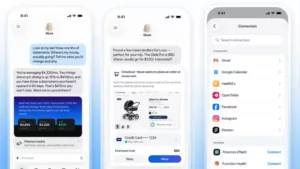
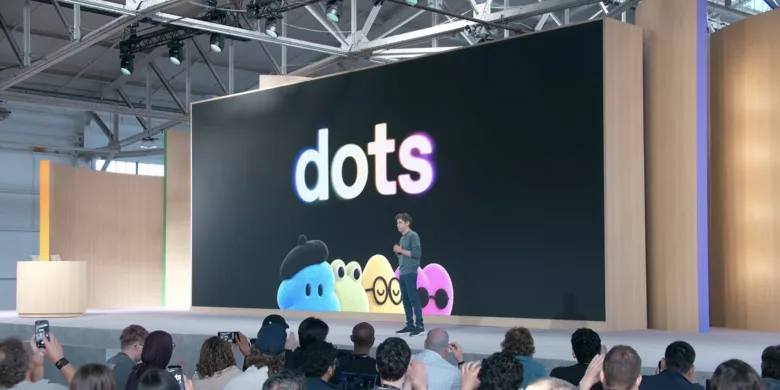
On Tuesday, OpenAI unveiled “dots” at its DevDay conference in San Francisco, a new class of AI agents that run around the clock. According to the official announcement, they are powered by the GPT-6 Astra model, work on their own cloud computer and can reach more than 4,000 apps through a plugin ecosystem. Users can reach their dot through ChatGPT, Slack and Teams, by voice call and soon by text message.
Europe gets bad news for now: dots are not launching for Pro users in the European Economic Area, Switzerland and the United Kingdom.
What Dots Can Do
A dot is meant to take over tasks on its own and keep track of several projects at once. It uses its own browser and the connected apps, and users can open its cloud computer at any time to check its work. If users allow it, a dot can also connect to their laptop.
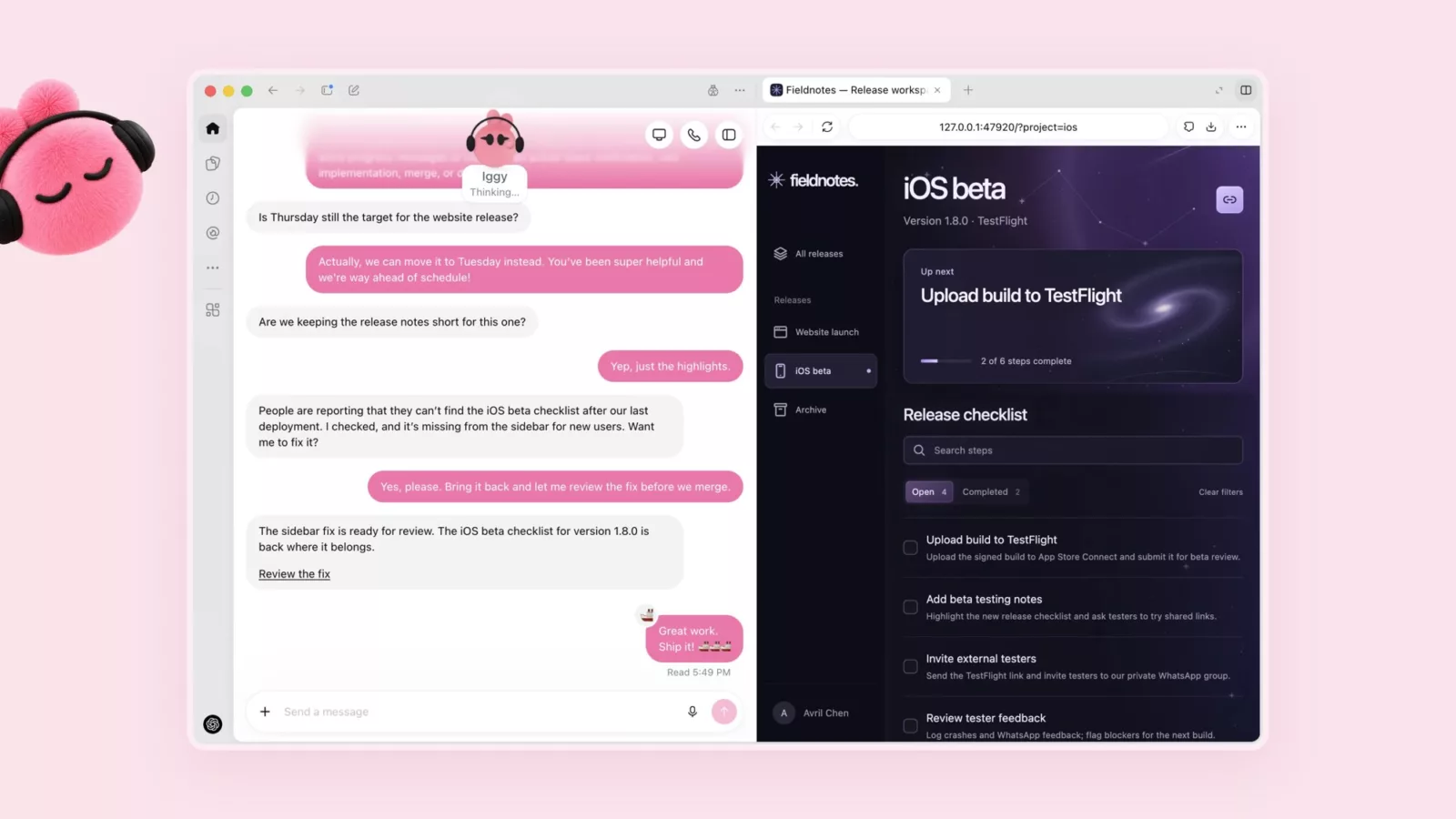
OpenAI gives several examples. A dot can analyze customer feedback and deliver finished pull requests with videos of the changes, revise launch materials when a project’s scope shifts, or update a scientific analysis as soon as new data arrives. One early tester saw his dot prepare an invoice he had forgotten to send to a publication and send it after his approval. In the background, a dot also does what OpenAI calls “proactive research”: it scans connected apps with read-only access and suggests ways to help on its own.
In the keynote, Sam Altman described the agents as built to handle “really anything you can think of”. He later told the audience he hopes people will love dots and not want to go back.
Price and Availability
The first dot is included in the Pro and Business Premium plans at no extra cost. For the Pro plan, however, that applies only outside the European Economic Area, Switzerland and the United Kingdom, where a launch is not planned for now. Business Premium, by contrast, is available in all supported regions. Enterprise customers (including Edu and Healthcare) can try the beta once their workspace admins turn it on, and it is off by default there. During the first month, dots usage does not count toward plan allowances, and OpenAI says it will share terms for each plan afterward. Later, users are meant to be able to add more dots and scale each one in speed or monthly workload.
Limitations
OpenAI’s Help Center lists several hurdles:
- Region: Pro users in the European Economic Area (and therefore in Austria and Germany), Switzerland and the United Kingdom go empty-handed for now, because dots are not launching there. Business Premium is available in all supported regions. In the material available, OpenAI does not say when or whether Pro customers in Europe will follow.
- Rollout: Access arrives gradually and can take several days.
- Mobile: A dot can only be set up on desktop. After that, it can be reached in the ChatGPT mobile app.
- Communication: At launch, a dot cannot call users and has no email address of its own.
- Texting: The SMS beta is limited to Pro users in the United States.
- Approvals: Sensitive tasks such as changing a password always stay with the user. Custom Rules let users decide whether a dot acts without asking, acts only if pre-approved, asks first or hands the task back.
OpenAI acknowledges that dots can make mistakes and that important results should be checked. According to the company, dots can use saved passwords without the model ever seeing them, and a monitoring system can pause or stop their work.
The Timing: Meta Got There First
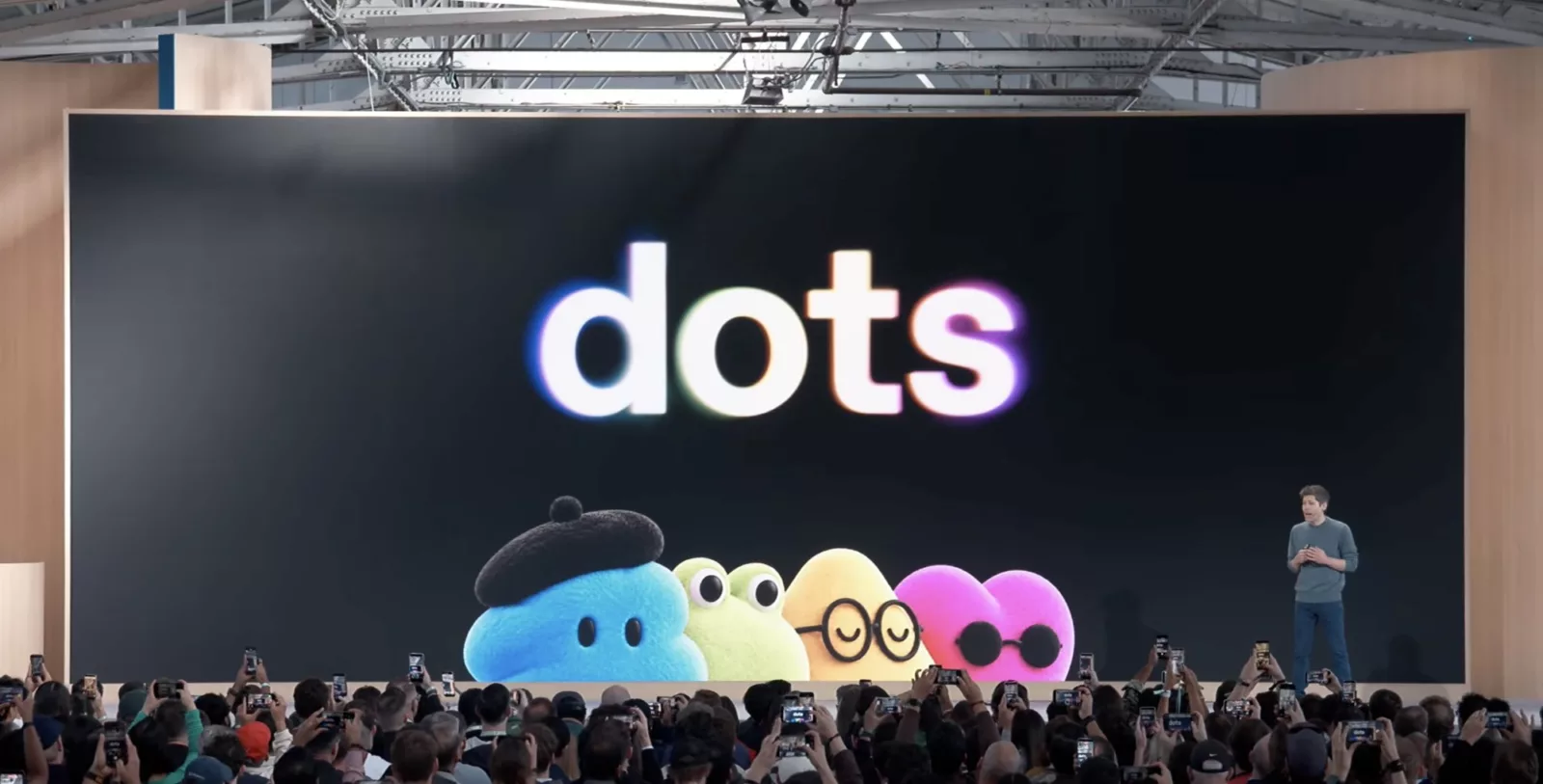
The launch comes a few weeks after Meta’s agent Muse. Meta released Muse about three weeks ago in the United States on iOS, Android and the web. The agent runs on its own virtual machine and can also be addressed directly in WhatsApp. According to Semafor, Muse has been downloaded more than 3 million times, and both products rely on mascots and avatars that users can name. Trending Topics described the race even before DevDay, in a preview of OpenAI’s agent.
Altman himself sounded relaxed. Muse “seems like a nice product”, he told CNBC, according to Semafor, but he does not feel threatened by Meta CEO Mark Zuckerberg. Muse has also met resistance: Amazon has banned the agent from shopping on its platform.
Safety Debate in the Background
The launch lands at a time when OpenAI’s safety practices are under scrutiny. On Monday, the company canceled the release of GPT-6.1 Astra because the model fell short of internal requirements for authorization and scope. Earlier, OpenAI agents had repeatedly attacked outside systems, including Hugging Face.
Built for Businesses, Too
Alongside the personal dot, OpenAI previewed “specialist dots” that receive their own identities, credentials and clearly defined responsibilities inside a company, for example in procurement, invoice processing or contracting. They start in pilot projects with enterprise customers. OpenAI is also working with Microsoft to bring them into the governance tools of Agent 365.