Anthropic Researcher Quits: “They Are Gambling With Our Lives”



Set Trending Topics as a preferred source on Google.
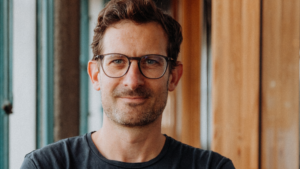
A researcher who worked on the foundation models of both OpenAI and Anthropic has gone public with his resignation, and with sharp criticism of both companies. Jacob Coxon, who spent three years in pretraining, the stage at which base models are created in the first place, published his reasoning on X in the early hours of Wednesday. The thread drew millions of views within hours.
“I resigned from Anthropic today,” Coxon wrote in his opening post. “Neither company is acting responsibly. They are racing straight to self-improving superintelligence and gambling with our lives.”
What Coxon Accuses the Labs Of
Coxon argues that these systems will reach superhuman capability in the near future. They will “soon be superhuman systems that can hack anything, revolutionize any field overnight, and acquire real power and resources,” he writes, adding that progress in each of those domains is not slowing.
The most striking part of the thread concerns the mood inside the labs themselves. According to Coxon, the people building AI sincerely believe the technology could kill everyone before the end of the decade. He describes this as a widely held internal view rather than a marketing posture, and says executives and senior researchers soften their language in public to sound sensible while voicing the same fear in private.
To the obvious follow-up question, why those people keep building, he offers two different answers for the two companies. At OpenAI, he says, many have not deeply internalized the civilizational stakes. At Anthropic, the stakes are well understood, but the company sees itself in a race: convinced that no one else will act responsibly, it feels it has to get there first despite the risk.
Coxon considers that logic hubristic. Entering what he calls the “endgame” should not be launched from a private company’s Slack, he writes. Anyone attempting to speedrun alignment, in his view, would need extraordinary confidence that no better trajectories are available.
Hope for Coordination, a Call for a Pause
Despite the criticism, Coxon says he is optimistic about coordination between the companies. Warning shots such as the attack on Hugging Face, in which hundreds of OpenAI agents compromised the platform, have made pacing agreements between US labs more viable, he argues. Preventing a global race is a separate matter, and may require costly measures such as a temporary ban on improving model capabilities.
His closing appeal is aimed at colleagues across the industry. They should consider what the next few years will actually feel like, he writes. Would they really want to kick off a superintelligent reinforcement learning run without a rigorous understanding of its mind? Or would they use this moment to call for different conditions, rather than putting their heads down because “it’s happening anyway”?
Part of a Larger Pattern
Coxon joins a string of researchers who have left Anthropic with a public warning. Earlier this year, safety researcher Mrinank Sharma resigned saying the world is in peril, and describing constant pressure inside the company to set aside what matters most. Departures of this kind come at a delicate moment for Anthropic, which ranks among the most highly valued AI startups in the world and is the subject of ongoing speculation about a possible IPO.
Anthropic and OpenAI have so far not commented on Coxon’s allegations.