First Scandinavia, Now Britain and Japan: Governments Urge Households to Stock Up


Set Trending Topics as a preferred source on Google.
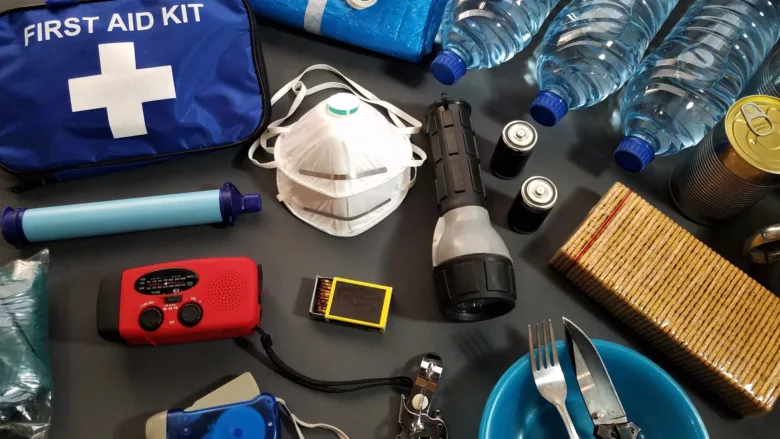
Water, canned food, a flashlight and cash: What was long seen as a hobby for preppers is becoming official government advice. Last week, Britain called on its population to keep supplies for at least three days. Japan will follow on Monday with a nationwide appeal that recommends a full week. Two more major countries are joining a trend that began in Scandinavia.
Britain: Three Days Without Power and Water
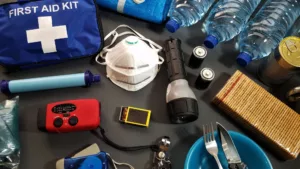
The British government has launched “Be Ready,” a campaign planned to run for three years. According to the government’s announcement, households should be prepared to cope for three days without electricity, water, phone service or internet. The recommendations include:
- Supplies: bottled water and non-perishable food for three days
- Equipment: a flashlight, batteries, a radio and hand sanitizer
- Other items: cash, medicines, copies of important documents, blankets and warm clothing
The government cited severe weather, such as last winter’s storms and this summer’s wildfires, which knocked out phone networks, power and water supplies. Defense Secretary Wes Streeting also pointed to possible supply chain disruptions caused by hostile states or terrorists. Security Minister Dan Jarvis said the move brings Britain into line with many of its European partners. According to the government, France, Ireland and the Netherlands also recommend preparing for three days.
Japan: A Week Is Better Than Three Days
On Monday, Japan will launch a new national disaster management agency. To mark the start, the government plans to issue an urgent request to ministries, prefectures and citizens to stock up on food, water and sanitation supplies. Disaster Management Minister Goshi Hosono said the goal is at least three days, ideally a week.
The new agency will focus on disasters of national scale. These include a major earthquake along the Nankai Trough off the Pacific coast, a quake directly beneath Tokyo and a possible eruption of Mount Fuji. Japanese authorities put the probability of a Nankai Trough megaquake within the next 30 years at 60 to 90 percent or more. Such events require a different level of preparedness, Mr. Hosono said.
Scandinavia Led the Way
The idea is not new. In 2024, Sweden sent a revised brochure titled “Om krisen eller kriget kommer” (“In Case of Crisis or War”) to every household. At 32 pages, it is almost twice as long as the 2018 edition. Its first page states that Sweden will never surrender if attacked. Finland bundled its preparedness advice on a website, Denmark sent out new guidance, and Norway raised its recommendation from three days of self-sufficiency to a week.
The European Commission has also advised all E.U. citizens since last year to keep an emergency supply for 72 hours. Austria is comparatively strict: On oesterreich.gv.at, the Interior Ministry recommends food and water for 10 to 14 days, with 2.5 liters of water per person per day as a guideline. Cash in small bills, a way to cook without electricity and a battery-powered or hand-crank radio round out the list.
Why Now?
None of the governments has named a specific threat. The reasons behind the appeals are varied:
- War and sabotage: The Scandinavian countries point to Russia’s war against Ukraine, the deteriorating security situation in Northern Europe and suspected sabotage of data cables in the Baltic Sea.
- Cyberattacks: Shortly before the British appeal, two critical flaws in the PHP programming language, discovered with the help of A.I., led authorities in several countries to take websites offline as a precaution. In the Netherlands, the DigiD citizen portal went down.
- Extreme weather: Storms, heat, drought, floods and wildfires are increasingly knocking out power and communication networks.
- Natural disasters: In Japan, the main concern is the risk of major earthquakes, tsunamis and volcanic eruptions.
- Relieving emergency services: People who can look after themselves for a few days free up rescue services in a crisis, allowing them to focus on those who need more help.
Accusations of Scaremongering
Not everyone is convinced. When Mr. Streeting defended the campaign on the BBC program “Question Time,” an audience member asked whether it was just scaremongering. Mr. Streeting rejected that, saying people should be alert but not alarmed. If anything, he asked why Britain had not done this sooner.
More fundamental criticism comes from Fraser Myers, deputy editor of the British magazine Spiked. He accuses the government of shifting responsibility for years of political failures onto citizens. He cites energy supply, water infrastructure (England has not built a new reservoir since 1992) and weakened national defense as examples.