Tesla plans to begin selling Cybercab to customers before the end of 2026

Set Trending Topics as a preferred source on Google.
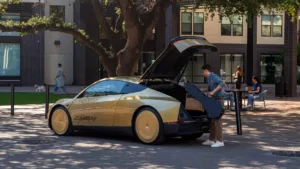
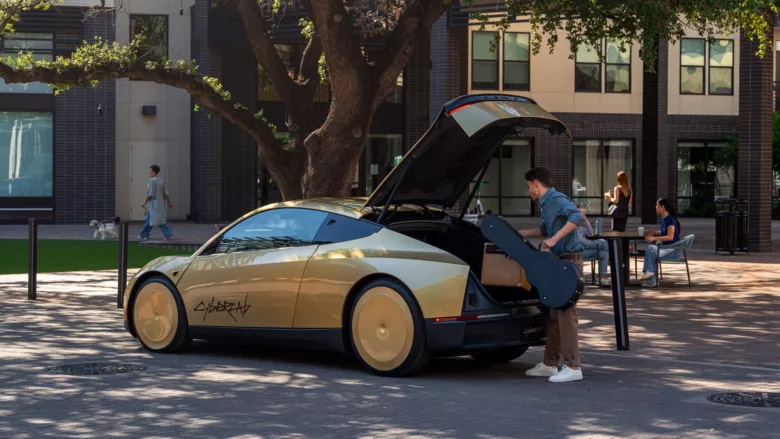
According to TechCrunch, Tesla plans to begin selling its Cybercab to customers before the end of the year. The Cybercab is an autonomously driving two-seater that features neither a steering wheel nor any other conventional controls. Regulators are still examining, however, whether the vehicle meets safety standards.
Tesla plans “fully developed autonomous vehicles”
During the third-quarter earnings call, Lars Moravy, Tesla’s Vice President of Engineering, stated that the Cybercabs currently being produced are intended exclusively for the company’s own robotaxi fleet. As that fleet grows, the company will “deliver fully developed autonomous vehicles to customers.” Moravy noted that the rollout would begin on a small scale but would expand soon.
Tesla first floated the idea of selling the autonomous vehicle to third parties last month at its Cybercab event in Austin, even publishing a form for those interested in purchasing robotaxis. It remained unclear, however, whether Tesla would follow through on these plans and how.
CEO Elon Musk has been talking for years about building a massive fleet of low-cost robotaxis, but until recently those plans focused on converting privately owned Tesla vehicles into self-driving taxis via a software update. The company has yet to realize that plan.
Cybercab is intended for ride-hailing services
Today, Tesla owners can subscribe to “Full Self-Driving (Supervised),” a driver assistance system that automates many driving tasks but still requires the driver to remain in control. The company continues to release software updates to improve the system’s capabilities, but a human must still sit behind the wheel, stay alert, and be ready to take over.
Musk stated on Wednesday that an unsupervised version of FSD — the fully autonomous version — is set to be introduced to customers sometime in the second quarter of next year. This represents a further delay for Tesla owners, many of whom purchased or subscribed to the software years ago.
According to Musk, the Cybercab is intended as a vehicle for ride-hailing services, not as a car to be owned. “The Cybercab will primarily be offered as a transportation service, while our other cars are more the kind you’d want to own, like the 3, the Y, and so on,” Musk said Wednesday during the earnings call. “But you know, the vast majority of the Cybercab fleet will essentially be owned by Tesla and offered as a service.”
Regulators could pose obstacles
There is at least one hurdle that could derail Tesla’s plans for a Cybercab fleet. The National Highway Traffic Safety Administration (NHTSA), the U.S. federal vehicle safety authority, announced last month that it had opened an investigation into the Cybercab, just hours after the vehicles began operating on public roads in Austin.
The Federal Motor Vehicle Safety Standards (FMVSS) mandate manual controls such as brake pedals, as well as additional equipment such as rearview and side mirrors. Traditionally, automakers self-certify whether their vehicles comply with FMVSS regulations, and Tesla has done the same.
Current regulations do not provide exemptions for vehicles without manual controls, although the Department of Transportation recently proposed lifting these requirements for vehicles designed for autonomous operation. In the meantime, the NHTSA stated it would investigate the Cybercab to “review the process and technical data Tesla relied upon in certifying the Cybercab, as well as related questions.”