Clarity Act Fails in U.S. Senate, Sending Crypto Markets Lower

Set Trending Topics as a preferred source on Google.
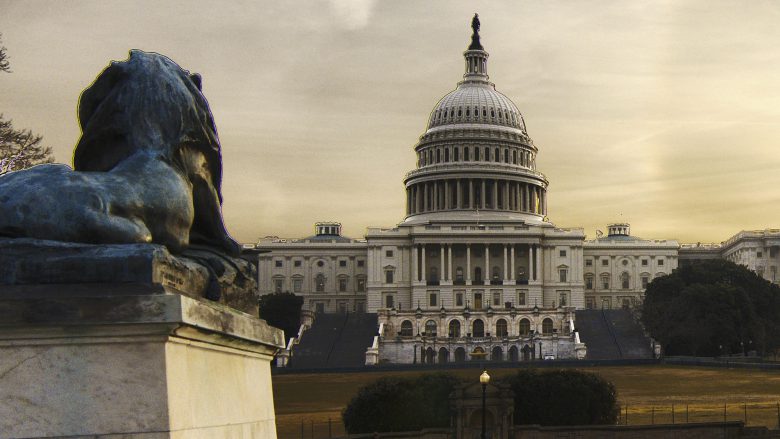
The U.S. Senate blocked the Digital Asset Market Clarity Act on Tuesday. A procedural vote ended 49 to 50, well short of the 60 votes needed to move the bill toward final passage. As CoinDesk reports, several Republicans voted against it, so the bill failed to win even a simple majority. According to CNBC, the outcome is a major setback for an industry that has spent years and hundreds of millions of dollars on lobbying, advocacy groups and political action committees.
What the Clarity Act Was Meant to Do
At its core, the bill aimed to define clearly how U.S. authorities should treat different types of cryptocurrencies and blockchain projects. It would have split oversight between the Securities and Exchange Commission (SEC) and the Commodity Futures Trading Commission (CFTC), giving the CFTC new authority to supervise crypto spot markets. The details were fiercely contested, including the question of yields on stablecoins, which turned the bill into a battleground between crypto firms and the banking sector. Negotiators eventually produced more than 600 pages of compromise text. Yet the two parties could not bridge their differences over ethics provisions designed to bar senior government officials from maintaining business ties to the crypto industry.
What Happens Next
The industry is now turning to regulators. The SEC has proposed its first major crypto rule, Regulation Crypto Assets, and is preparing to approve a narrow form of securities tokenization. Even SEC Chairman Paul Atkins has acknowledged, however, that such rules can easily be reversed without a law to back them up. A fresh attempt in Congress is likely to be harder. After the November midterm elections, Democrats could take control of at least the House of Representatives, and a Democratic Senate would likely hand the Banking Committee gavel to Elizabeth Warren, a prominent crypto critic. That leaves the GENIUS Act for stablecoins, signed into law in 2025, as the industry’s biggest legislative win to date.
Crypto Assets Under Pressure
Markets reacted with a sell-off. Bitcoin slid from nearly $80,000, according to CoinDesk, and is currently trading at around $75,800, down 2.8 percent over 24 hours. XRP took a steeper hit, falling more than 9 percent, while Solana, Ethereum, Zcash, Dogecoin and Hyperliquid lost between 4 and 5.5 percent. Monero is the only major asset in positive territory over the week. Here is an overview of the largest crypto assets (excluding the stablecoins USDT and USDC):
| Crypto Asset | Price (USD) | 24h | 7 Days |
|---|---|---|---|
| Bitcoin (BTC) | 75,804.64 | -2.82% | -3.57% |
| Ethereum (ETH) | 2,402.70 | -4.43% | -3.48% |
| BNB (BNB) | 715.01 | -0.58% | -5.24% |
| XRP (XRP) | 1.28 | -9.33% | -9.28% |
| Solana (SOL) | 97.11 | -5.47% | -6.15% |
| TRON (TRX) | 0.3331 | -1.30% | -1.81% |
| Hyperliquid (HYPE) | 77.16 | -4.08% | -9.79% |
| Zcash (ZEC) | 1,111.77 | -4.51% | -5.99% |
| Dogecoin (DOGE) | 0.08012 | -4.38% | -11.40% |
| Monero (XMR) | 506.45 | -1.02% | +2.41% |
Political Fallout
For investors, regulatory uncertainty in the U.S. persists for now. Crypto super PACs led by Fairshake must decide how to deal with the senators who voted against the bill in the final weeks before the election. Before the vote, lead Republican negotiator Senator Cynthia Lummis made a last appeal to her colleagues, urging the U.S. to lead and define the digital age. Whether the bill gets another chance before the current congressional session ends this year is considered unlikely.