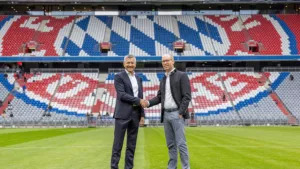
Viessmann Family Buys Into FC Bayern for €250 Million


Set Trending Topics as a preferred source on Google.
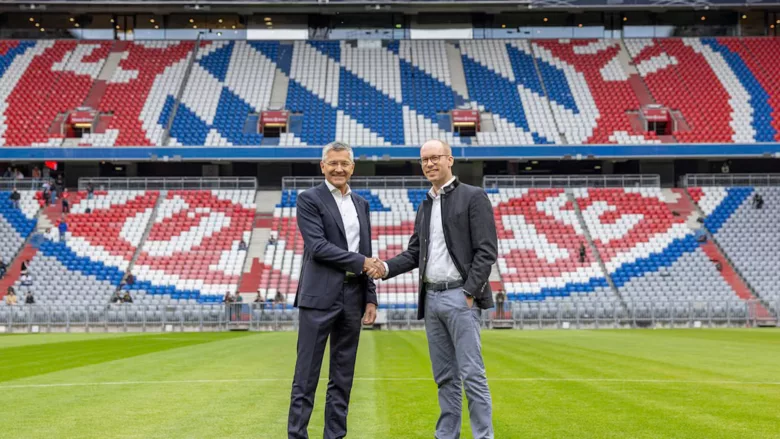
From heat pump billions to football shares: The Viessmann family of entrepreneurs is buying into FC Bayern Munich. Its holding company, Viessmann Generations Group, is acquiring just under 6.7 percent of FC Bayern München AG through a capital increase, the last block of shares the club is allowed to sell under its statutes. Neither side disclosed the price, but according to Manager Magazin, about €250 million is changing hands, as private banking magazin reports. The contracts were signed on Thursday morning, according to the Abendzeitung, and the deal takes effect once it is entered in the commercial register.
Who Owns FC Bayern Now
With Viessmann, the professional football company now has four outside shareholders. Because the money comes in through a capital increase, all existing owners are diluted:
- FC Bayern München e.V.: from 75 to 70 percent
- Adidas: from 8.33 to just under 7.8 percent
- Audi: from 8.33 to just under 7.8 percent
- Allianz: from 8.33 to just under 7.8 percent (shareholder since 2014)
- Viessmann Generations Group: just under 6.7 percent
Together, the four minority shareholders now hold exactly 30 percent, the maximum allowed by the club’s statutes. FC Bayern cannot sell any more shares without changing its statutes. Max Viessmann, chief executive of the family holding company, will join the supervisory board, which is being expanded from nine to ten members. He already sits on the club’s administrative advisory board. For the family, this is the start of a partnership spanning generations, Mr. Viessmann said.
Valuation Nearly Tripled
Based on the reported €250 million, FC Bayern München AG is worth just under €4 billion. When Allianz bought in in 2014, it paid €110 million for 8.33 percent, a valuation of about €1.3 billion. That means the company’s value has nearly tripled in twelve years.
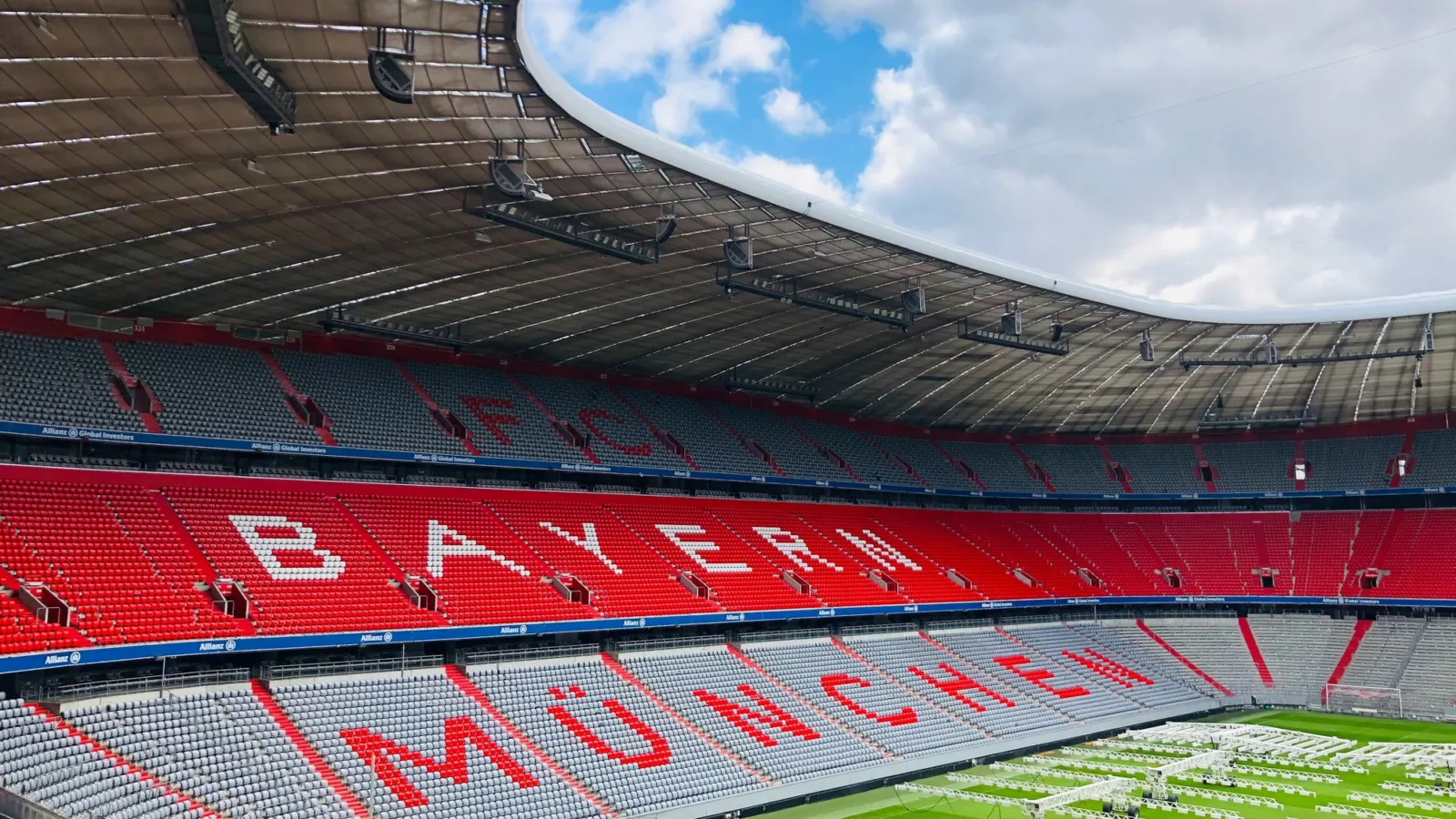
Behind this is a business model that is rare in European football: FC Bayern makes money. In the 2024/25 financial year, the group generated record revenue of €978.3 million, EBITDA of €187.8 million and net profit of €27.1 million, according to the club. Revenue comes mainly from sponsorship, TV rights from the Bundesliga and the Champions League, ticketing at its own Allianz Arena and global merchandising. The strategic shareholders are also major sponsors: Adidas supplies the jerseys, Audi the company cars, and Allianz pays for the stadium name. Chief executive Jan-Christian Dreesen regularly stresses that the club does not spend more than it earns.
The fresh money goes into the company and strengthens its equity. A significantly improved equity base increases the club’s room for maneuver in a time of constant change, said its president, Herbert Hainer. Media reports speculate about investments in the Säbener Strasse training ground, the campus and the sports park in Unterhaching, but also about more leeway in negotiations with star players.
Why EQT Wanted In
Viessmann was not the only suitor. According to the Financial Times, FC Bayern held talks in 2025 with the Swedish investment firm EQT about a minority stake. The talks fizzled out in the summer when chief financial officer Michael Diederich, EQT’s contact at the club, left for Deutsche Bank. For EQT, it would have been a big step: In sports, the private equity firm had previously invested only about $25 million in the Baller League, a six-a-side football league founded in Germany in 2023. EQT also manages the E.U.’s Scaleup Europe Fund, among other vehicles.
Financial investors have concrete reasons to be interested in football. Top clubs are scarce trophy assets with global brands, millions of fans and growing media revenue that can be further monetized through streaming, merchandising and international markets. Early investors benefit from rising valuations, as the Bayern example shows. Private equity firms such as CVC have already bought into the media rights of Spain’s LaLiga and France’s Ligue 1, and U.S. investors such as RedBird own clubs like AC Milan.
In Germany, however, the model meets resistance. The 50+1 rule ensures that clubs keep the majority of voting rights in their professional divisions, and fans loudly oppose financial investors. In 2024, a planned investor deal at the German Football League collapsed after massive fan protests. Mr. Dreesen said on the OMR podcast that selling the last shares was about more than getting the most money. The winning bid came from a family investor with a long connection to the club: Viessmann has been an FC Bayern partner since 2018.
The Carrier Money at Work
The money for the deal comes from the multibillion-euro sale of the family’s core business. In 2023, the family sold its climate division, Viessmann Climate Solutions, to the U.S. group Carrier Global for about €12 billion; the deal closed in 2024. Since then, Viessmann Generations Group has invested widely, including in start-ups: Its portfolio includes the Munich rocket maker Isar Aerospace and the Aachen-based environmental start-up Everwave, and Max Viessmann himself is an angel investor in companies such as Voltfang and OCELL. At FC Bayern, the holding company plans to contribute mainly in sustainability, internationalization and digitalization, according to the club.