Fed Sees the A.I. Boom as an Inflation Driver


Set Trending Topics as a preferred source on Google.
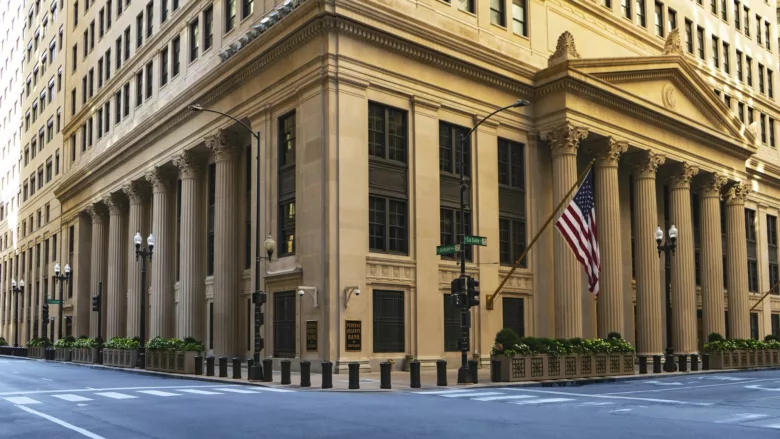
The A.I. boom has a side effect that the central bank has now put in writing, namely higher prices: In the minutes of its latest policy meeting, the U.S. Federal Reserve explicitly names the massive buildout of A.I. infrastructure as one reason for stubborn inflation. That is according to the just-released minutes of the meeting at which the Fed raised rates for the first time since 2023. And the next increase could come before the end of the year.
A.I. Investment Is Heating Up Prices
According to the minutes, Fed staff attributed higher core inflation in part to rising prices for technology-related consumer goods associated with the A.I. buildout. Members of the Federal Open Market Committee noted that “surging AI-related investments were contributing to inflation pressures.” Several members observed that core goods prices remained elevated as the effects of the A.I. buildout increased while those of tariffs waned. Some also warned that the A.I. buildout could cause aggregate demand to outpace aggregate supply over the medium term.
At the same time, the boom is supporting the economy: According to Fed staff, the A.I. buildout continues to drive robust growth in business investment. The scale of the sums involved is illustrated by SpaceX, which is seeking $40 billion in debt to buy Nvidia chips.
Oil and Tariffs Remain Factors
The A.I. buildout is not the only driver of prices. The Fed still attributes much of the higher inflation to past tariff increases, and several members see further tariffs as a risk. Higher energy and input costs stemming from geopolitical developments add to that: The conflict in the Middle East has pushed up prices for crude oil and refined fuels. The longer energy prices stay high, the greater the risk that price pressures will spread, many members said.
The numbers are correspondingly high: Inflation measured by the PCE index, the Fed’s preferred gauge, rose to 3.8 percent in August, and the core rate was estimated at 3.4 percent. Under a new methodology from the Bureau of Economic Analysis, the figures would be 3.6 and 3.2 percent, respectively. The Fed’s target is 2 percent.
Another Rate Hike Likely by Year-End
In September, the Fed unanimously raised its key rate by a quarter of a percentage point to a range of 3.75 to 4 percent. According to the minutes, most members judged that another increase would likely be appropriate by the end of the year, depending on incoming data. They see the risks to inflation as skewed to the upside overall, and the labor market as stable and close to maximum employment.
The role of A.I. is not quite as clear-cut as some market reports suggest, however. Only “several” members, not a majority, see the A.I. buildout as having replaced tariffs as the main driver of core goods prices. The release still weighed on the gold market: Gold fell further to about $4,110 (about €3,660) an ounce, as rising rates make the non-yielding precious metal less attractive.