IEA Urges Speed Cuts, Remote Work, and Less Flying to Ease Fuel Crisis


Set Trending Topics as a preferred source on Google.
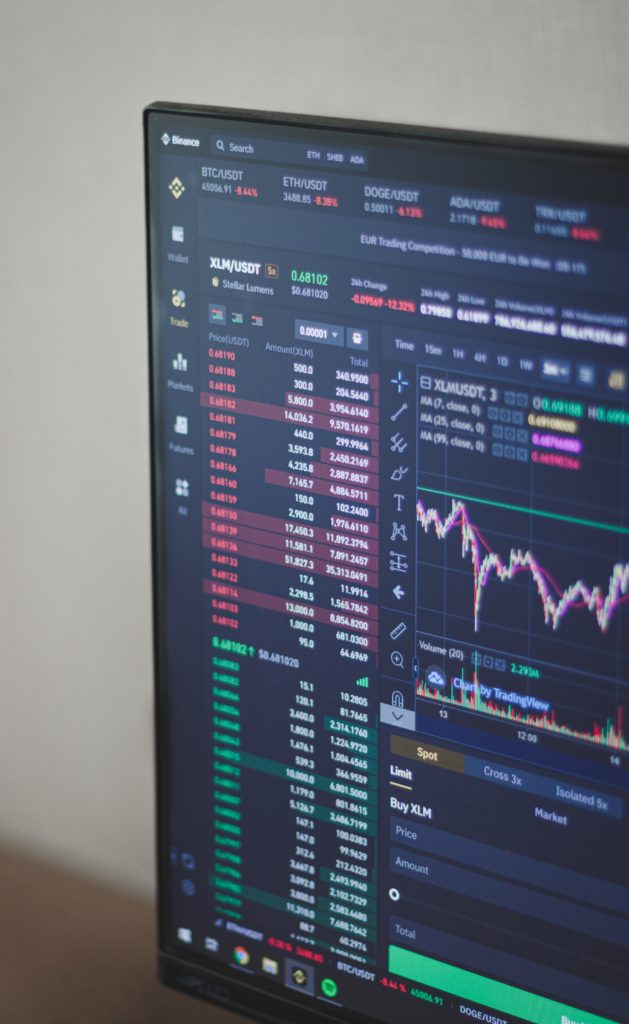
The sharp rise in oil prices to currently around 109 US dollars per barrel (Brent) in the wake of the Iran war is sending shockwaves through the global economy — and is now confronting many countries with the question of how to cope with the price surge (+50% compared to the previous year). At the same time, gas prices are also rising significantly, which in turn could have consequences for electricity prices (many gas-fired power plants generate electricity). Overall, economists are now expecting inflation to rise again.
The International Energy Agency (IEA) has therefore published a catalogue of concrete measures with which governments, businesses, and households can respond to the sharply increased energy and fuel prices. The war in the Middle East has triggered the largest oil supply disruption in the history of the global oil market.
Background: Why Prices Are Rising
The conflict has brought shipping through the Strait of Hormuz — through which normally around 20 percent of global oil consumption is transported — to a near standstill. The loss of approximately 20 million barrels of crude oil and oil products per day has put considerable strain on markets. The crude oil price exceeded the 100 US dollar per barrel mark, while refined products such as diesel, kerosene, and liquefied petroleum gas (LPG) rose even more sharply in price.
As an initial response, IEA member countries decided on 11 March to release 400 million barrels from strategic reserves — the largest emergency release in the agency’s history. However, the IEA emphasises that supply-side measures alone are not sufficient to fully cushion the shock.
“The war in the Middle East is causing a severe energy crisis, including the largest supply disruption in the history of the global oil market. Without a swift resolution, the impacts on energy markets and economies will become increasingly severe,” said IEA Executive Director Fatih Birol.
Ten Measures to Reduce Demand
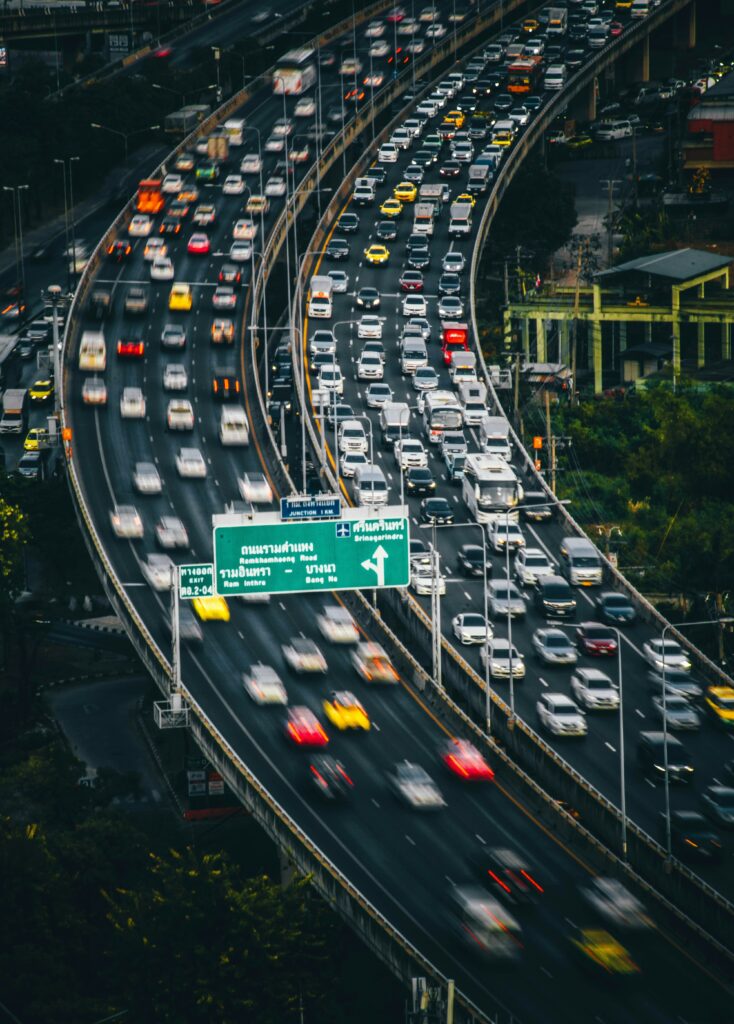
The new IEA report “Sheltering from Oil Shocks” focuses on the demand side. The emphasis is on road transport, which accounts for around 45 percent of global oil demand. In addition, measures for aviation, cooking, and industry are proposed.
Road Transport
- Working from home where possible: Less commuting directly reduces fuel consumption.
- Reducing motorway speed limits by at least 10 km/h: Lower speeds reduce consumption for cars, vans, and trucks.
- Promoting public transport: A shift from private cars to buses and trains can reduce oil demand in the short term.
- Licence plate-based driving restrictions in major cities: Alternating access restrictions reduce congestion and fuel-intensive driving.
- Carpooling and fuel-efficient driving: Higher vehicle occupancy and eco-driving quickly reduce consumption.
- Increasing efficiency in freight transport: Better driving practices, vehicle maintenance, and load optimisation can reduce diesel consumption.
Liquefied Petroleum Gas and Aviation
- Redirecting LPG use in transport: Vehicles capable of running on both LPG and petrol should be switched to petrol in order to preserve LPG for cooking and other essential purposes.
- Avoiding air travel where alternatives exist: Fewer business trips by plane relieve pressure on the kerosene market in the short term.
- Switching to modern cooking solutions: Electric cooking appliances and other alternatives can reduce dependence on LPG.
Industry
- Utilising flexibility in petrochemical feedstocks: Industrial operations can replace LPG with other feedstocks such as naphtha, thereby freeing up LPG for urgent uses. Short-term efficiency and maintenance measures can additionally reduce oil consumption.
The Role of Governments
The IEA recommends that governments take the lead through their own example, regulatory measures, and targeted incentives. It should be ensured that support for consumers is deployed at the right time and directed towards those most in need. Experience from previous crises has shown that well-targeted support mechanisms are more effective and fiscally more sustainable than broad-based subsidies.
The IEA simultaneously published an overview of all demand-side measures that governments have announced since the beginning of the crisis. According to this, many countries are already taking steps to protect consumers through savings and financing measures. In Austria, for example, a fuel price cap has been adopted.
Limitations of the Measures
The IEA acknowledges that the proposed measures cannot fully offset the scale of the disrupted supply. However, they could help to reduce costs for consumers, ease market tensions, and preserve fuels for essential purposes until normal supply flows resume. The restoration of free shipping through the Strait of Hormuz is regarded as the decisive long-term factor.