Austrian Start-Up Moxi Turns Family Vans Into Campers in Three Minutes



Set Trending Topics as a preferred source on Google.
One car for everyday life and a second one for the weekend? Moxi wants to make that unnecessary: The start-up from Herzogenburg, near St. Pölten in Lower Austria, has developed a click system of wooden modules that turns large family vans into travel vehicles with a kitchen, a stove and a sink in about three minutes, without tools. The early-bird phase is currently running on moxi.at, and the market launch is planned for the first quarter of 2027.
How the System Works
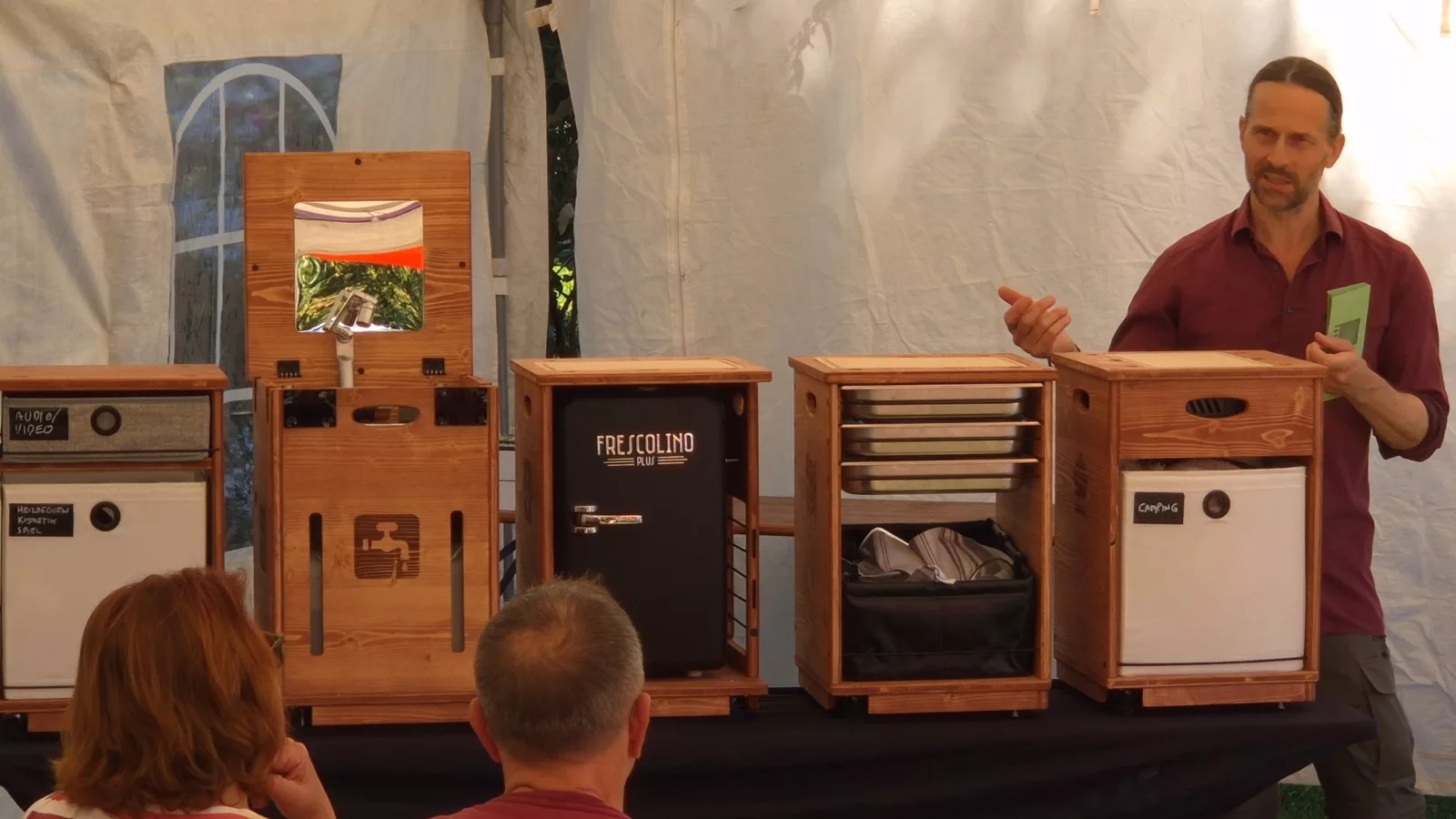
The basis is a vehicle-specific system floor that stays in the van and creates two storage compartments. The individual modules, called “Moxis,” are attached to it with a tool-free click mechanism, held by 20 anodized aluminum mounting shoes and five tie-down eyelets. When the van is needed for everyday use again, for up to eight passengers or as a cargo vehicle, the modules simply come out. They can also be used outdoors, for example under an awning. According to Moxi, the grid system allows for more than 18,000 possible interior layouts.
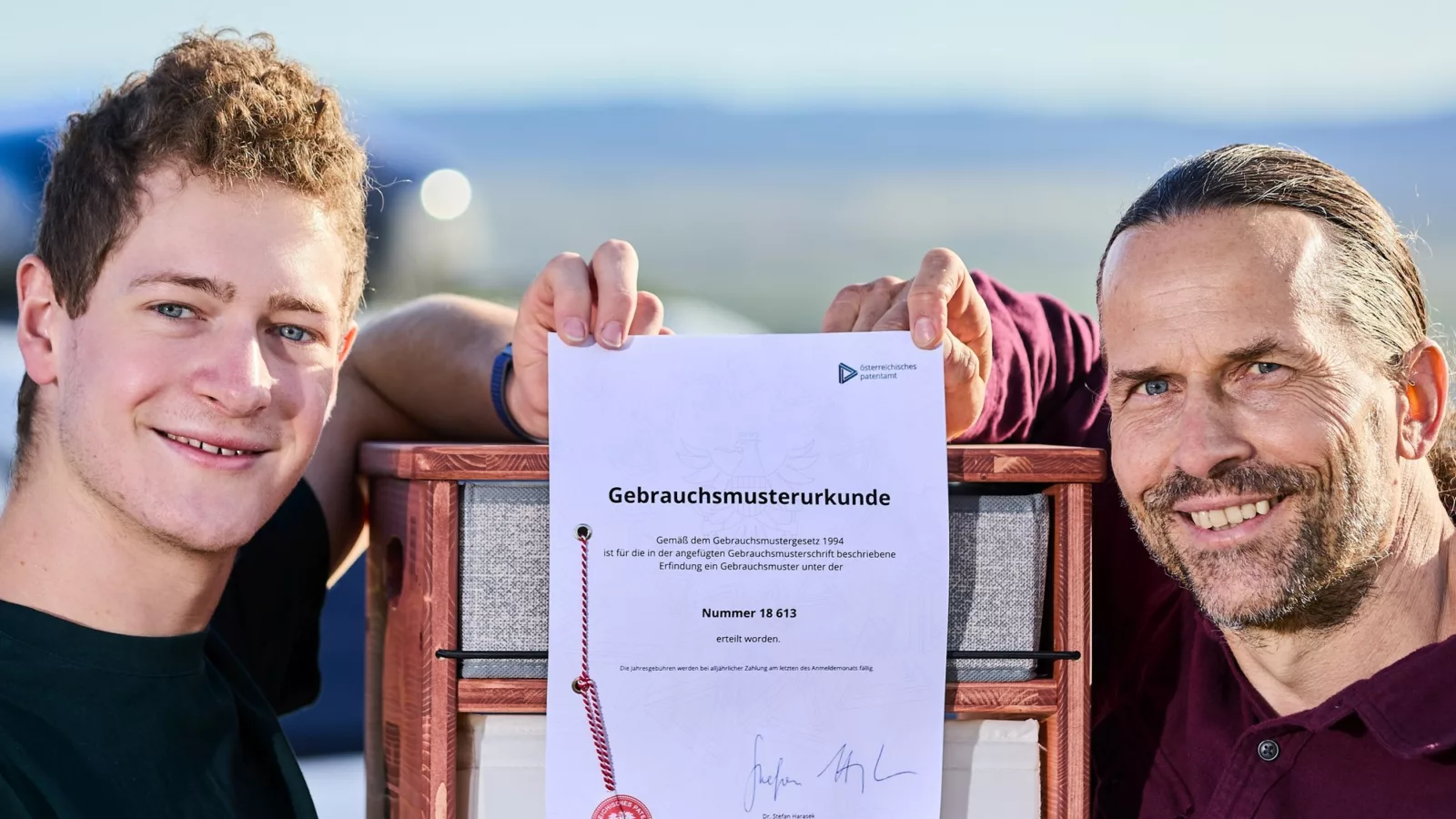
The modules are made of 18-millimeter oiled lightweight solid wood in a pared-back Japandi design. The fastening technology follows the cargo securing standard ÖNORM EN 12195-1, so nothing flies around the cabin under hard braking. The Austrian Patent Office has registered the click mechanism as a utility model. A bed is not included, though: For sleeping, owners need a separate solution such as a bench bed, a roof tent or a pop-top roof.

The Modules and Their Prices
Moxi sells the modules individually or as a set. Prices according to the website, approximate and including VAT:
- System floor: about €1,700, weighing 30 kilograms.
- Lagermoxi: about €700 for the storage module, including two fabric boxes.
- Kochmoxi: about €900, with a stove from the manufacturer Onlyfire.
- Küchenmoxi: about €900, with three drawers, a beech cutting board and a collapsible bowl.
- Kühlmoxi: about €900, with a 17-liter cooler for 12 and 230 volts.
- Spülmoxi: about €1,200, with a stainless steel basin, a pull-out tap, a water canister and a battery with a jump-start function.
- Base-Camp Set Plus: about €3,900 for the system floor plus the kitchen, cooking and storage modules.
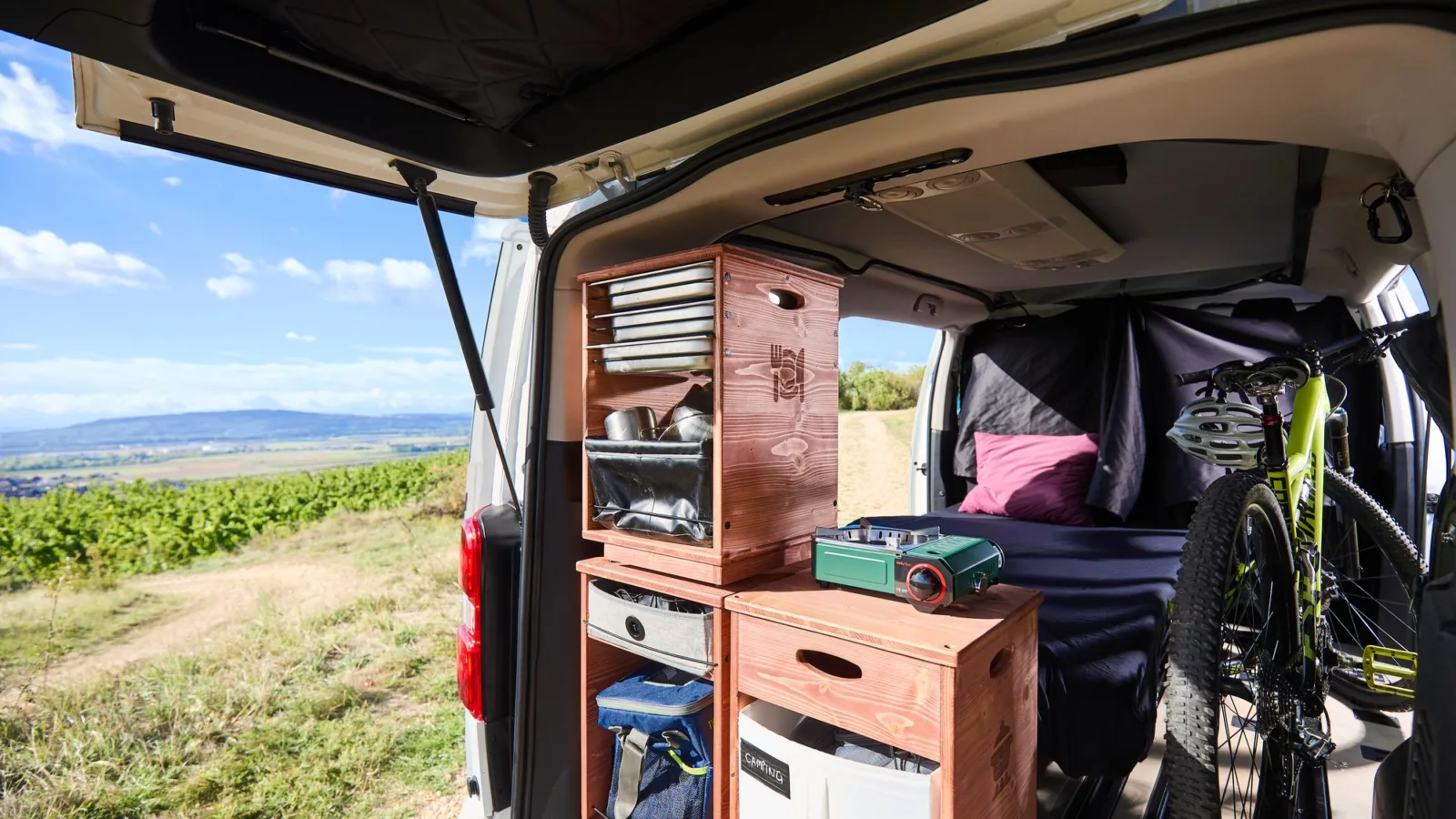
Early-bird customers get a guaranteed place in the first, limited production run, a free 30-liter cool bag with the storage module and a free layout consultation by video call or in person in Herzogenburg. There is no rental option.
Which Cars It Fits
At launch, Moxi fits only vans on Stellantis’s EMP2 platform in the medium length of 4.96 meters:
- Citroën: SpaceTourer
- Peugeot: Traveller
- Opel: Zafira Life
- Fiat: Ulysse
- Toyota: Proace Verso, which is built on the same platform
The original seat rail system in the vehicle floor is required. According to the company, Moxi is a registered Stellantis conversion partner and works to the group’s specifications. Models from Ford and Volkswagen are to follow later.
Looking for Car Dealers as Sales Partners
Moxi wants to sell primarily through car dealerships. Dealers would be able to upgrade new and used vehicles for leisure-oriented customers with little extra effort and without elaborate custom conversions. For dealerships and sales partners, the system offers an attractive way to do exactly that, said the co-founder Ronald Wytek.
There are no partner dealerships yet, however. The team is currently reaching out to dealers in Lower Austria and Vienna that carry EMP2 models, with the aim of setting up joint showroom and pilot vehicles.
Two Founders, No Venture Capital
Moxi was founded by Ronald Wytek, who is responsible for product management, sales and finance, and Benjamin Krisa, who leads technical development. The two have been working on the system since 2019, currently as a civil-law partnership, with the formal incorporation of a company in preparation. There are no outside investors; Moxi is bootstrapped. The system floor and modules are to be produced together with C.N.C. precision manufacturers. Anyone who can adapt a single vehicle flexibly to everyday life, work and leisure saves money, reduces maintenance and needs less parking space, Mr. Krisa said.
The Competition
Moxi is not alone with the idea. Removable camping boxes are available, for example, from the German company Ququq, which has been selling its boxes for station wagons and panel vans for years. There are also ready-made camper versions from the manufacturers themselves, for example based on the Toyota Proace Verso or the Opel Zafira Life, as well as numerous small conversion workshops. Moxi aims to stand out with its modular grid system, its wooden design and its dealer strategy. Whether that pays off will become clear after the market launch.