Nobody Waited For Them, But Sponsored AI Agents Are Coming to ChatGPT


Set Trending Topics as a preferred source on Google.
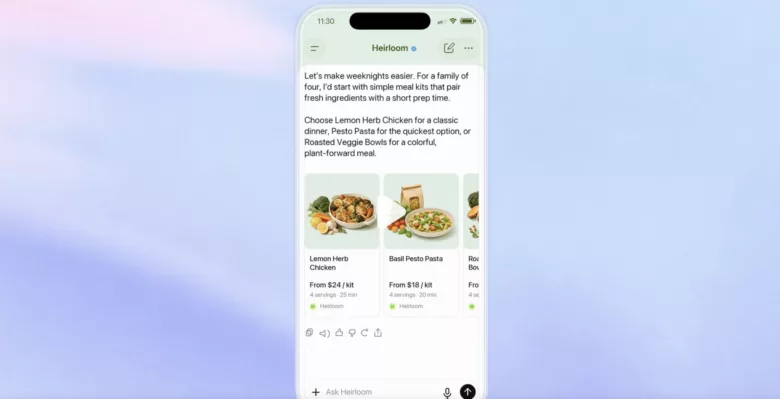
Anyone who wants to chat with an advertising AI agent will soon be able to do so in ChatGPT, at least in the United States. OpenAI is expanding its advertising business in ChatGPT and has just unveiled a set of new features designed to make ads more useful for users and easier to run for businesses. The centerpiece is a new format called Sponsored Agents: after clicking an ad in ChatGPT, users can start a conversation with an AI agent sponsored by the advertiser. OpenAI is also adding AI tools for building campaigns, along with integrations with HubSpot and Shopify.
How Sponsored Agents Work
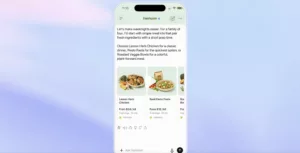
OpenAI illustrates the idea with a dining table. A shopper sees it in an ad but wants to know whether it fits her space, how many people it seats or how to care for its finish. Instead of going straight to the retailer’s website, she can click the ad, start a conversation with the company’s agent, ask follow-up questions and then follow a link to the business’s site when she is ready.
According to OpenAI, these conversations are clearly labeled. They are kept separate from ChatGPT’s independent answers and from the original chat the user started. For businesses, the company says, this is a way to walk interested customers through their offerings in a personalized conversation. Sponsored Agents are currently being tested with select advertisers in the United States. OpenAI has not given a timeline for other markets.
AI Tools for Advertisers
Alongside the new ad format, OpenAI is bringing AI into campaign management. With an Ads Manager plugin, advertisers can create, update and analyze campaigns in ChatGPT using simple text prompts. A website or a brief can be turned into a campaign, complete with performance analysis and recommendations on what to do next.
Ads Manager itself is also getting AI assistance. When drafting an ad, the system suggests copy and images based on the landing page and the campaign objective. Advertisers can review and edit these suggestions before adding them to a campaign. They can also opt into AI-powered text customization, which adapts existing headlines and descriptions to the context of a given conversation and automatically translates ad copy into the user’s preferred language.
HubSpot and Shopify as First Partners
To spare businesses from rebuilding their workflows, OpenAI is integrating ChatGPT Ads into established marketing tools. HubSpot is the first CRM partner: companies can now connect a ChatGPT Ads account there, create ads, track performance and follow up on leads directly in HubSpot.
Shopify is the first ecommerce partner. Merchants in the United States can create and manage ChatGPT campaigns through a new app in the Shopify App Store. Because products are already connected via the Shopify catalog, OpenAI says ads can go live right away. Starting next Wednesday, the app is set to become available internationally in all markets where ChatGPT Ads already run, which should give Shopify merchants in Europe access as well.
Background: Ads in ChatGPT Since Early 2026
OpenAI first introduced ads in ChatGPT in the United States in February 2026. In June, Britain became the first European market, and other countries including Mexico, Brazil, Japan and South Korea followed.
At the end of August, ads launched in 31 European markets, including Germany, Austria, France, Italy, Spain and the Netherlands. Ads are shown only to users of the free version and the low-cost Go plan, while the paid Plus, Pro, Business and Enterprise plans remain ad-free. For the European launch, OpenAI relied on non-personalized ads based on the conversation topic, approximate location, device type, time of day and language, Trending Topics reported. Shortly afterward, OpenAI also opened self-service booking through Ads Manager to European advertisers.
The ad business already matters financially for OpenAI. By the company’s own account, ChatGPT Ads reached an annualized revenue run rate of $1 billion in under 200 days. Independent analyses paint a mixed picture, however: one study found a click-through rate of around 0.91 percent, well below that of Google Search.
Advertising as Part of the AI Platform
OpenAI says the new features respond to the fact that people increasingly turn to AI to discover products, compare options and make purchasing decisions. The company therefore wants to rethink both sides of advertising: how users engage with businesses in an AI-native environment and how businesses use AI to create and manage their ads.
Whether brands will embrace the new format at scale remains an open question. Countless companies have already built AI chatbots into their own apps and websites, many of them powered by OpenAI’s GPT models. On their own channels, they control the customer conversation and have no need to pay for an ad in ChatGPT to steer users toward their agent.