Qualcomm Wins Against Arm and Gets $2 in Damages


Set Trending Topics as a preferred source on Google.
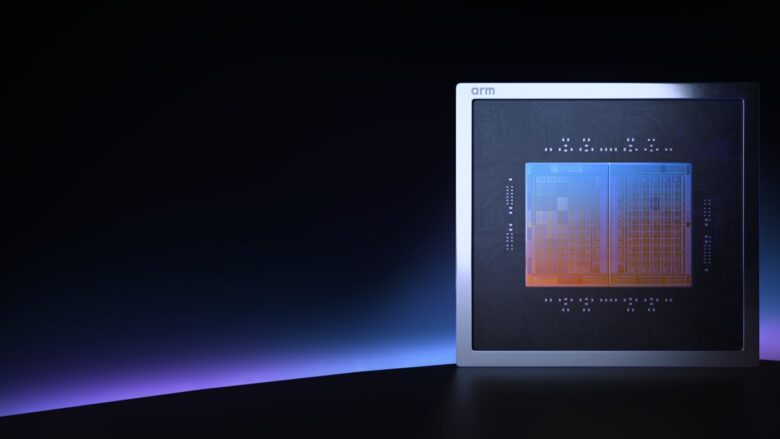
A win that came up empty: In the licensing dispute between the chip giants Qualcomm and Arm, a jury in Delaware sided partly with Qualcomm but awarded it just $2 in damages. Both sides are celebrating the verdict as a success, Engadget reported. But the dispute is far from settled.
The Verdict
After a five-day trial in Wilmington, the jury found that Arm had breached its license agreement with Qualcomm by withholding software patches and tools for its chip designs. The jury also found that Arm had intentionally interfered with Qualcomm’s business relationship with Meta. Qualcomm accuses Arm of deliberately leaking to Bloomberg in 2024 that Qualcomm had violated a license agreement, just as a deal with Meta was about to close. The deal was subsequently delayed.
The jury sided with Arm on four other claims. And for the two counts Qualcomm won, it received just a symbolic dollar each.
Both Sides Claim Victory
Qualcomm said it was “gratified” that the jury confirmed Arm’s breach of contract. The verdict, it said, shows that Arm wants to harm Qualcomm and its ecosystem. Arm, for its part, sees the tiny award as vindication: The $2 shows that Arm acted in good faith, Arm said in a statement. Qualcomm had used the lawsuit to try to deprive Arm of billions of dollars under their license agreements, the company added. Arm’s stock fell about 1 percent after the verdict, while Qualcomm’s rose about 1 percent.
Billions Are at Stake
The real fight is still to come. Judge Maryellen Noreika must now rule on further disputes, above all a contract clause: Qualcomm argues that a proven breach means it does not have to pay Arm royalties for five years. Arm considers the clause unenforceable. A lot is at stake for Arm: Qualcomm accounted for about 9 percent of Arm’s $4.92 billion in revenue in its last fiscal year, or about $443 million (roughly €395 million) a year. The losing side is likely to appeal.
The conflict has been simmering for years. In 2022, Arm sued Qualcomm after Qualcomm bought the chip start-up Nuvia, arguing that Qualcomm was not allowed to simply take over Nuvia’s Arm licenses, but Arm lost. Behind the dispute lies a fundamental shift: Arm, majority-owned by Japan’s SoftBank, has moved beyond licensing its chip architecture and now also builds its own chips, turning it into a competitor of its own customers.
The RISC-V Alternative
The long-running dispute is strengthening an alternative: the open RISC-V chip architecture, which requires no license fees. Qualcomm is already investing in RISC-V designs to become less dependent on Arm. Companies such as Google and Meta, along with many Chinese chipmakers, are also increasingly turning to the open architecture.