Warhound Raises $200 Million to Breed Gene-Edited Super Dogs for the U.S. Military


Set Trending Topics as a preferred source on Google.
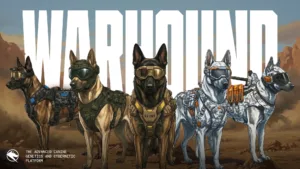
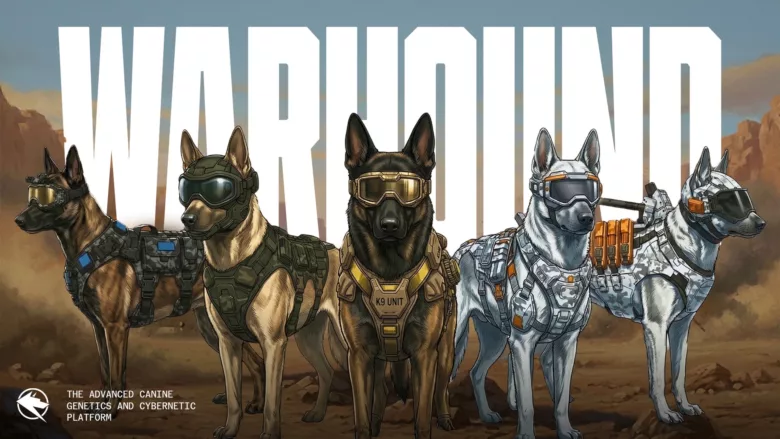
After the mammoth and the dodo, the next project from the gene lab is a military dog: Colossal Biosciences’ chief executive, Ben Lamm, and Anduril’s founder, Palmer Luckey, unveiled Warhound on Thursday, a start-up that plans to supply cloned and genetically optimized dogs to the U.S. military. It launched with $200 million (about €178 million) at a valuation of $1.2 billion (about €1.07 billion), TechCrunch reports. Investors include In-Q-Tel, the C.I.A.’s investment arm, as well as Sequoia Capital and 8VC.
Breaking Free From European Breeders
The starting point is a dependency that involves Europe of all places. According to Warhound, more than 80 percent of the U.S. military’s working dogs come from European breeders, and fewer than half of them ultimately make it through training. Many fail because of genetic problems such as poor eyesight, cancer risks, hip dysplasia or muscle atrophy. Warhound therefore wants to build a domestic supply in the United States.
Here is how it is supposed to work:
- Biobank: The team has stored cell lines from top-performing working dogs, mainly Belgian Malinois and German Shepherds.
- Cloning: Colossal’s subsidiary ViaGen will clone the animals, with the first puppies expected in early 2027.
- Gene editing: Gene editing is meant to remove health risks and improve traits such as health, longevity, speed, agility and the sense of smell for detecting explosives.
- Equipment: Anduril will supply protective vests, goggles and vests with sensors that send data to handlers. Mr. Lamm stresses that this technology is worn externally by the dogs.
Warhound hopes to have its first dogs in service within about two years. Beyond the Department of Defense, potential customers include police departments and emergency responders. Pricing has not been disclosed. According to media reports, the company is run by David Spirk, the Defense Department’s first chief data officer.
Backed by Colossal and Anduril
Warhound is backed by two of the most valuable start-ups in the United States. Colossal Biosciences, known for its plans to bring back the woolly mammoth and the dodo, was recently reported to be in talks for funding at a valuation of $20 billion to $30 billion. Colossal holds a stake in Warhound and licenses its technology to the company. Anduril, for its part, is valued at about $90 billion. According to Mr. Lamm, Mr. Luckey is a partner but, like Anduril, holds no equity in Warhound.
Rivals in China and South Korea
The idea is not entirely new. In China, the biotech company Sinogene has been cloning police dogs for years, and Chinese researchers used gene editing to create especially muscular beagles back in 2015. In South Korea, cloned sniffer dogs were deployed by customs officials more than a decade ago. The U.S. military itself has so far relied mainly on purchases from Europe and its own breeding program. Warhound is the first billion-dollar defense start-up aiming to combine cloning and gene editing at scale.
Who Bears the Risk?
How regulators will handle genetically modified animals in military and police work remains unclear. Warhound is working with the animal welfare organization American Humane, which is to certify the training program and help place retired dogs with new owners. Critics see fundamental questions in gene editing dogs: The bioethicist Jessica Pierce told Newsweek that what matters is who benefits from the technology and who bears the risks. For her, gene editing dogs marks a new chapter in domestication, one in which animals adapt to human wishes rather than the other way around.