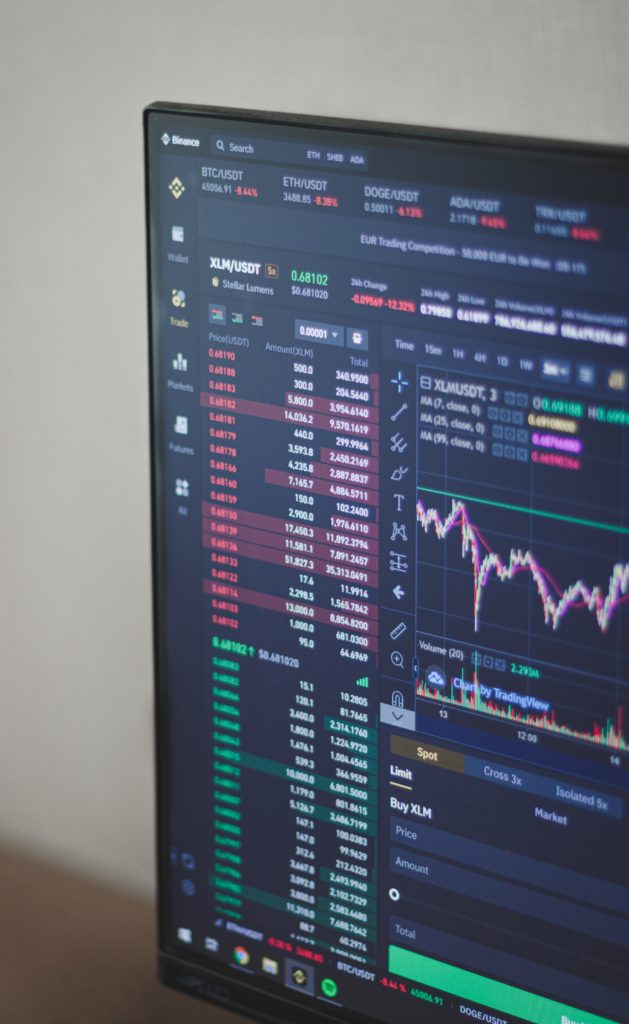
Bitcoin Slides Below $78,000 After Fed Chair Warsh Signals a Rate Hike


Set Trending Topics as a preferred source on Google.
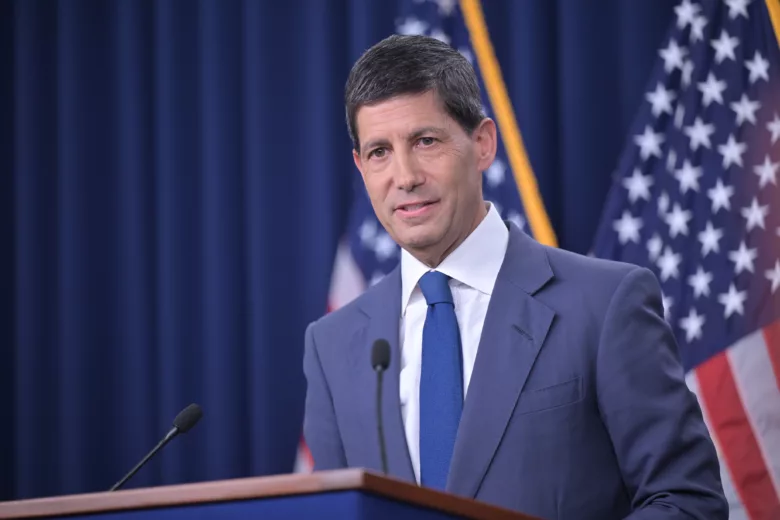
Bitcoin has dropped below the $78,000 mark. The trigger was Kevin Warsh’s first keynote address as chair of the US Federal Reserve at the Jackson Hole symposium, where he held out the prospect of higher interest rates should inflation fail to ease soon.
The Fed will have “work to do” if price growth does not slow shortly, Warsh said, according to the Financial Times. He described the labour market as robust, while calling the numbers on price stability “more concerning”. The central bank has now missed its 2 percent target for 65 months, and its preferred gauge, the PCE price index, most recently ran at an annual rate of 3.7 percent. Warsh explicitly declined to read the latest better-than-expected inflation readings as a turning point, as Cointelegraph reports.
In futures markets, the odds of a rate increase at the September meeting jumped to 60 percent from 35 percent a day earlier. The two-year US Treasury yield rose to 4.33 percent, and the dollar gained 0.4 percent against a basket of currencies. The policy rate currently stands between 3.5 and 3.75 percent.
The Crypto Market at a Glance
| Asset | Price | 24 Hours | 7 Days |
|---|---|---|---|
| Bitcoin (BTC) | $77,928 | -3.03% | -0.48% |
| Ethereum (ETH) | $2,493 | -1.64% | -0.88% |
| BNB | $706 | -0.85% | +2.85% |
| XRP | $1.42 | -1.09% | -2.24% |
| Solana (SOL) | $106 | +1.81% | +13.45% |
| TRON (TRX) | $0.34 | +0.97% | -1.01% |
| Hyperliquid (HYPE) | $81 | -3.89% | +7.79% |
Source: CoinDesk. Despite the pullback, Bitcoin remains firmly higher for the month, its strongest August since 2017 according to CoinGlass.
Why Interest Rates Move the Bitcoin Price
The main channel is opportunity cost. Bitcoin pays neither interest nor dividends. When the risk-free return rises, as it has with US Treasuries heading toward 4.3 percent, holding an asset that yields nothing becomes relatively more expensive, and capital migrates into interest-bearing products.
Then there is the valuation effect. Higher rates lift the discount rate applied to assets whose value rests heavily on future expectations, which is why Bitcoin so often moves in step with technology stocks in these phases. Restrictive monetary policy also tightens the supply of capital available for leveraged positions, which play an outsized role in crypto trading. And a strong dollar acts as an added premium for buyers outside the United States.
Set against all this is the argument many crypto advocates make: stubbornly high inflation is precisely the scenario Bitcoin was meant to hedge against. For now, though, the rate channel dominates market behaviour. The next test comes with the Federal Open Market Committee meeting in September.