Crypto Assets Fall After Clarity Act Vote Fails, but Expert Sees ‘Not a Serious Shock’

Set Trending Topics as a preferred source on Google.
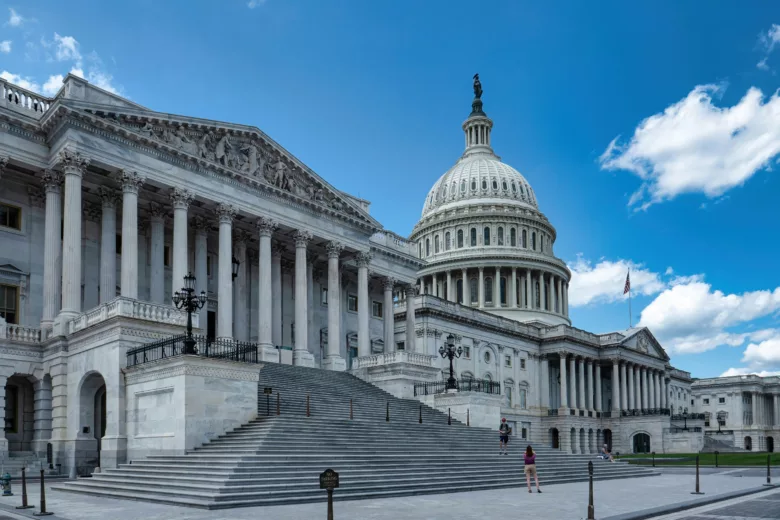
The Clarity Act was meant to create the first comprehensive U.S. legal framework for the crypto market. Among other things, it would have clearly divided oversight between the Securities and Exchange Commission (SEC) and the Commodity Futures Trading Commission (CFTC), introduced registration requirements for market participants and tightened anti-money laundering rules. For now, the bill has failed in the U.S. Senate: a procedural vote drew 49 votes in favor and 50 against, well short of the 60 needed. The decisive factor was concern among Democratic senators about potential conflicts of interest and the crypto business dealings of President Donald Trump and his family. Ethics provisions added at the last minute were not enough to secure the necessary bipartisan support, making passage before the November midterm elections highly unlikely.
The crypto market responded with losses. According to CryptoRank, Bitcoin is currently trading at around $75,900 (down 1.4 percent), while Ethereum stands at roughly $2,400 (down 3 percent). XRP was hit harder, sliding about 8 percent to $1.29, and Solana lost around 3.5 percent to roughly $97. The total market capitalization of cryptocurrencies sits at about $2.6 trillion. More than $655 million worth of crypto positions were liquidated in the wake of the vote. Ahead of the ballot, Bitcoin had still been trading close to $80,000, CoinDesk reported.
CoinShares Sees Political Roots Behind the Setback
James Butterfill, head of research at crypto asset manager CoinShares, called the failure “undoubtedly a setback for the U.S. digital asset industry.” He views the vote as more of a further delay than a final verdict on the bill. “What is particularly frustrating is that, despite considerable efforts to reach a bipartisan compromise, the remaining hurdles are increasingly political and less technical in nature,” Butterfill said.
Uncertainty Could Slow Investment
For markets, the development is “slightly negative, but not a serious shock,” according to Butterfill. The Clarity Act would have given the industry what it has been waiting for for years: a coherent federal market structure and much clearer regulatory responsibilities. That uncertainty will now persist for longer and could slow investment and innovation in the United States, he expects. Other analysts struck a similarly calm tone in comments to The Block.
A New Vote Remains Possible
What matters most, according to CoinShares, is that the bill is stalled while a path forward still exists. Procedurally, a new vote remains possible, even as the political calendar grows increasingly tight. The economic case for regulatory clarity is unchanged, Butterfill said, though the vote suggests a political solution could take considerably longer.
After the midterms, Democrats could take control of at least the House of Representatives, which would make a fresh attempt even harder. In the meantime, the industry is pinning its hopes on regulators: the SEC has proposed Regulation Crypto Assets, its first major crypto rule. The GENIUS Act for stablecoins, passed in 2025, remains the crypto industry’s biggest legislative win so far.
Fed Decision Adds Further Pressure
Butterfill sees additional pressure on digital assets from the anticipated interest rate hike by the U.S. Federal Reserve. With U.S. Treasury yields continuing to climb, however, Bitcoin still offers “a sensible hedge against misguided fiscal and monetary policy,” he said.