Google Declares Biggest Search Box Overhaul in 25 Years


Set Trending Topics as a preferred source on Google.
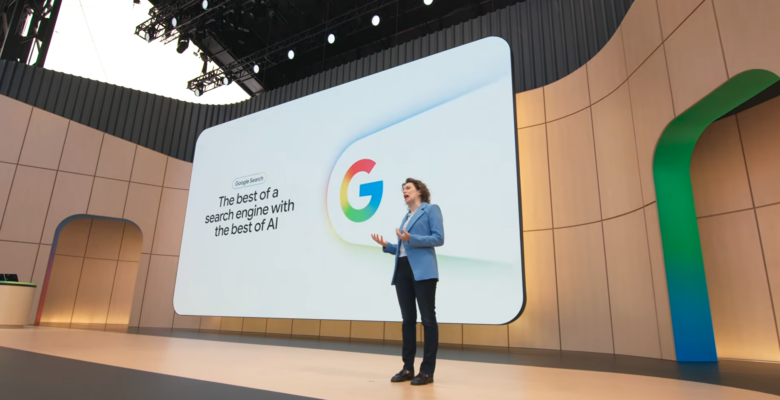
At its annual developer conference I/O, Google announced a far-reaching redesign of its search box. The company describes the move as the most significant change to the iconic search interface since its introduction more than 25 years ago. At the heart of it is the close integration of classic search and artificial intelligence.
The New, Intelligent Search Box
Until now, Google’s AI mode, known as “AI Mode,” was a separate tool that users had to consciously select. Google is now integrating core functions of this mode directly into the standard search box. The box expands dynamically to allow for longer, more detailed queries, and supports not only text but also the uploading of images, videos, files, and even open Chrome tabs as input.
In addition, the new search box offers AI-powered suggestions while typing that go far beyond classic autocomplete. Google promises that search will become more intuitive as a result, better helping users to formulate their questions precisely. The search results themselves remain intact: web links and AI summaries continue to appear as usual.
What Elizabeth Reid Has to Say
“This is truly the biggest upgrade to our iconic search box since its debut over 25 years ago.” Elizabeth Reid, Vice President of Google Search, explained in a press briefing that the change is based on concrete observations of user behavior. Many people know that an AI mode exists, but do not want to actively think about which search mode they should be using at any given moment.
“What we’ve seen is that some users know they want to switch to AI Mode. But most users don’t want to have to think about whether they prefer a more traditional page or an AI-oriented search experience.”
Reid also emphasized that there has previously been a noticeable barrier when transitioning from the AI summaries, known as “AI Overviews,” into the full AI Mode. Google has now made this transition seamless: users can ask a follow-up question directly from within an AI summary, which then flows smoothly into a conversation in AI Mode. The goal, Reid said, is for users to “not have to think about where they’re going at all.”
Agents That Search Independently
Alongside the new search box, Google is introducing so-called “Information Agents.” These AI agents run in the background and continuously search websites, social media posts, shopping platforms, and other sources. Users can set precise parameters — for example, searching for a specific shoe size or for apartment listings with specific criteria.
- The agent monitors relevant sources on the web around the clock
- When a matching result is found, users receive a processed, intelligent notification
- Direct links make it possible to act immediately — for example, to complete a booking
The Information Agents will initially be available to subscribers of Google AI Pro and Ultra in the summer of 2026. The new intelligent search box, on the other hand, is being rolled out globally starting today in all countries and languages where AI Mode is available.
Context
The announcements illustrate Google’s strategy of dissolving the boundaries between classic search and AI-powered tools. Rather than navigating users between different modes, artificial intelligence is to be embedded directly and naturally into the familiar search experience. For publishers and brands, this represents a further shift in the digital ecosystem, as AI agents increasingly retrieve and summarize content autonomously, without users being directed to websites directly.