‘Toxic, Costly Drug’: More Europeans Are Swapping Gas for Heat Pumps


Set Trending Topics as a preferred source on Google.
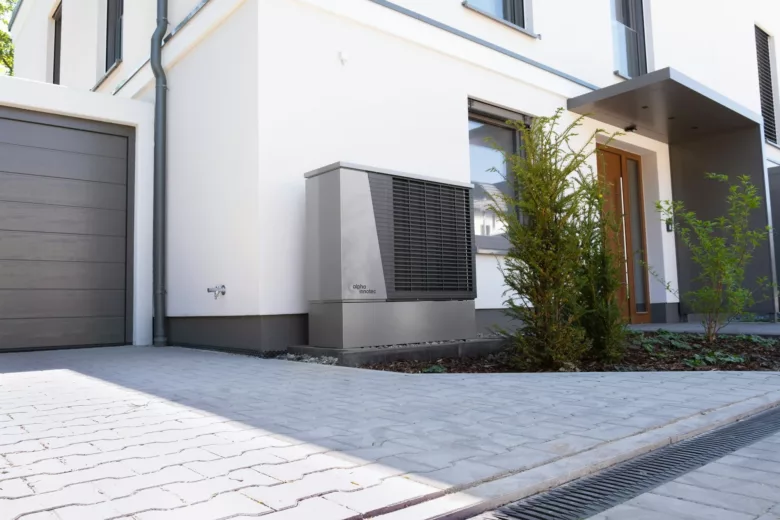
Nothing sells heat pumps quite like a gas crisis. In the first half of 2026, about 1.163 million residential heat pumps were sold across 12 European countries, up 11 percent from 1.048 million in the same period last year. That is according to new figures from the European Heat Pump Association (EHPA). The association points to a clear trigger: oil and gas prices have soared since Iran closed the Strait of Hormuz early this year.
“Europe is ending its addiction to a toxic, costly drug from dodgy suppliers: gas,” says Paul Kenny, the EHPA’s director general. The figures cover Austria, Belgium, Switzerland, Denmark, Finland, France, Germany, Italy, the Netherlands, Norway, Portugal and Sweden.
After the Slump, the Market Is Recovering
The upswing follows a tough stretch. In 2024, sales across 14 European countries plunged 21 percent, from 2.8 million to 2.2 million units, according to the EHPA. At least 4,000 jobs in the sector were lost at the time. The association blamed erratic subsidy policies, a weak economy and artificially low gas prices.
This year, the picture turned early. In the first quarter, sales in 11 countries rose 17 percent, led by France, Germany and Poland, pv magazine reported. Over the full half-year, growth slowed slightly to 11 percent.
Germany, where replacing old heating systems was a political battleground for years, is seeing a particularly strong boost. According to the German Heat Pump Association (BWP), 195,000 heating heat pumps were sold there in the first half, 40 percent more than a year earlier. BWP chief Martin Sabel attributes this mainly to “growing consumer awareness of the risks of heat supply with fossil fuels” and to government subsidies.
Austria Is Heading the Other Way
The picture in Austria is very different. There, sales fell 26 percent in the first half to about 18,000 units, according to figures from the industry group Wärmepumpe Austria reported by buildingTIMES. Sales of split units dropped by almost 37 percent. The main reason is uncertainty over subsidies; back in the first quarter, the EHPA already linked the decline to the end of government support. The gas crisis alone is evidently not enough to make up for the loss of state grants.
Electricity Prices Are the Sticking Point
In the industry’s view, the future of the heat pump hinges on the ratio between electricity and gas prices, and in most EU countries that ratio is unfavorable. According to the EHPA, electricity is often taxed more heavily than gas, making it several times more expensive. The European Commission also acknowledges in its Electrification Action Plan that electricity for final consumers “is taxed more than gas in most Member States,” Forbes reports. For households, electricity is on average about 2.5 times as expensive as gas.
The Commission wants to change that. Its action plan aims to double electricity’s share of energy use from 23 percent today to 46 percent by 2040. Taxes on electricity should be no higher than those on gas, and network charges are to be reworked to reward flexible consumers like heat pumps. The EHPA is now calling on all governments to follow the Netherlands and Belgium in shifting taxes from electricity to fossil fuels. “The sooner electricity becomes the most affordable solution, the quicker we’ll get clean,” Mr. Kenny said.
The Counterpoint: Politics Holds Back, Unanimity Is Lacking
Whether the trend will last is an open question. Reforming the EU Energy Taxation Directive, which would make the alignment binding, requires the approval of all 27 finance ministries, and that is exactly where it has stalled for years. According to Forbes, only France, the Netherlands, Belgium and Denmark have made minor corrections so far.
In Germany, the new Building Modernization Act also allows gas and oil heating systems to be installed again. The BWP therefore warns that momentum could fade without relief on electricity prices. And Austria shows how quickly the market can collapse when subsidies disappear. The industry is also still some way off its record level: in 2023, 2.8 million units were sold across 14 countries, while the 12 countries tracked this year would reach just over 2.3 million on an annualized basis.