Muse Spark: Meta’s New AI Model Ranks Just Behind Anthropic, OpenAI, and Google


Set Trending Topics as a preferred source on Google.
Forget Llama, here comes Muse: Meta has unveiled a new large language model called Muse Spark, marking a fresh start for the company in the AI space. The model is the first product of the newly founded Meta Superintelligence Labs (MSL), led by Alexandr Wang. Wang, founder and former CEO of Scale AI, joined Meta following the acquisition of his company. The launch is seen as a signal that Mark Zuckerberg intends to take on the AI competition with OpenAI, Google, and Anthropic far more aggressively.
Nine Months of Development, a New Foundation
According to Meta, the team behind Muse Spark rebuilt the company’s entire AI stack from the ground up in just nine months. The model is the first in a new model family called Muse, in which each generation builds on the previous one before larger versions follow. Muse Spark is deliberately kept compact and fast, yet is designed to answer complex questions in the areas of science, mathematics, and health. Larger models are already in development.
What Muse Spark Is Supposed to Do
The model brings a range of new capabilities that go beyond conventional text processing:
- Complex Reasoning: Meta AI can switch between a fast response mode and a deeper thinking mode. Multiple sub-agents can work in parallel — for example, simultaneously drafting a travel itinerary, comparing destinations, and finding suitable activities.
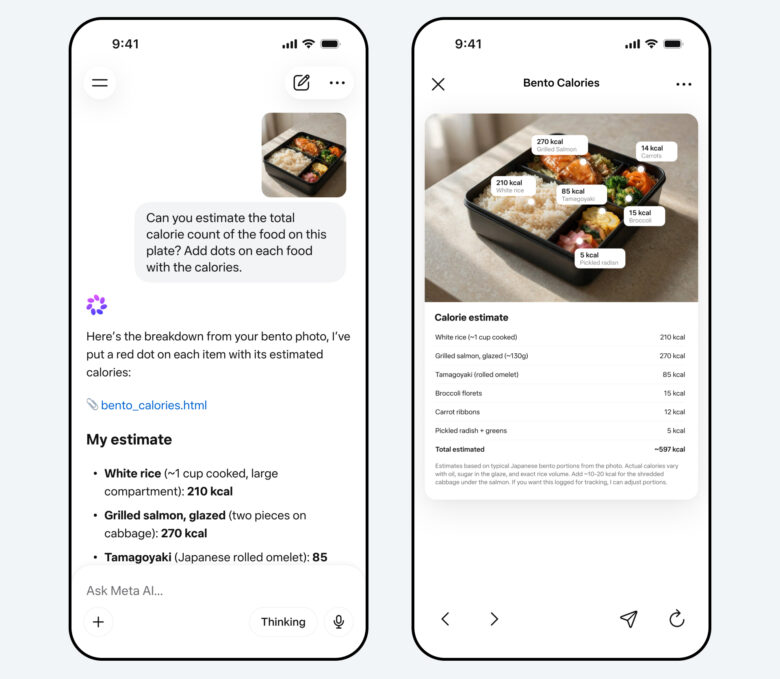
- Multimodal Perception: The model can analyze and understand images. Users can, for instance, take a photo of a product shelf and ask for nutritional information without having to type any text.
- Health Questions: Muse Spark was developed with a team of physicians and is designed to provide more detailed answers to common health questions, including the analysis of images and charts.
- Visual Programming: Users can create simple websites, dashboards, or mini-games via text input and share them with others.
- Shopping and Discovery: A dedicated shopping mode draws on content from Meta’s apps and suggests fashion, home décor, or gift ideas, tailored to the creators and communities users already follow.
- Local and Social Contexts: When searching for places or trends, Meta AI displays public community posts directly within the conversation.
Open Source Versions to Follow Later
Muse Spark is now available in the Meta AI App and on meta.ai, replacing the previous model Llama 4, which flopped considerably. Over the coming weeks, the model is set to roll out to additional platforms:
- Messenger
- Meta’s AI glasses (Ray-Ban Meta)
The rollout begins in the USA, with further countries to follow in the weeks ahead. Meta is also offering selected partners a private API access during a preview phase. An open-source release of future model versions has been indicated but has not yet been scheduled.
Outlook: More Content, More Context
Meta announces plans to make Meta AI results visually richer in the future, incorporating Reels, photos, and posts directly within responses, accompanied by source attributions to the respective creators. In parallel, the company intends to further develop its safety and privacy mechanisms. The stated goal is a so-called personal superintelligence — an assistant that not only answers questions but understands the user’s context and is embedded in their everyday life.
“We are building toward a personal superintelligence — an AI that doesn’t just answer your questions, but truly understands your world, because it is built on it.”
First Benchmarks Show Strong Results for Muse Spark
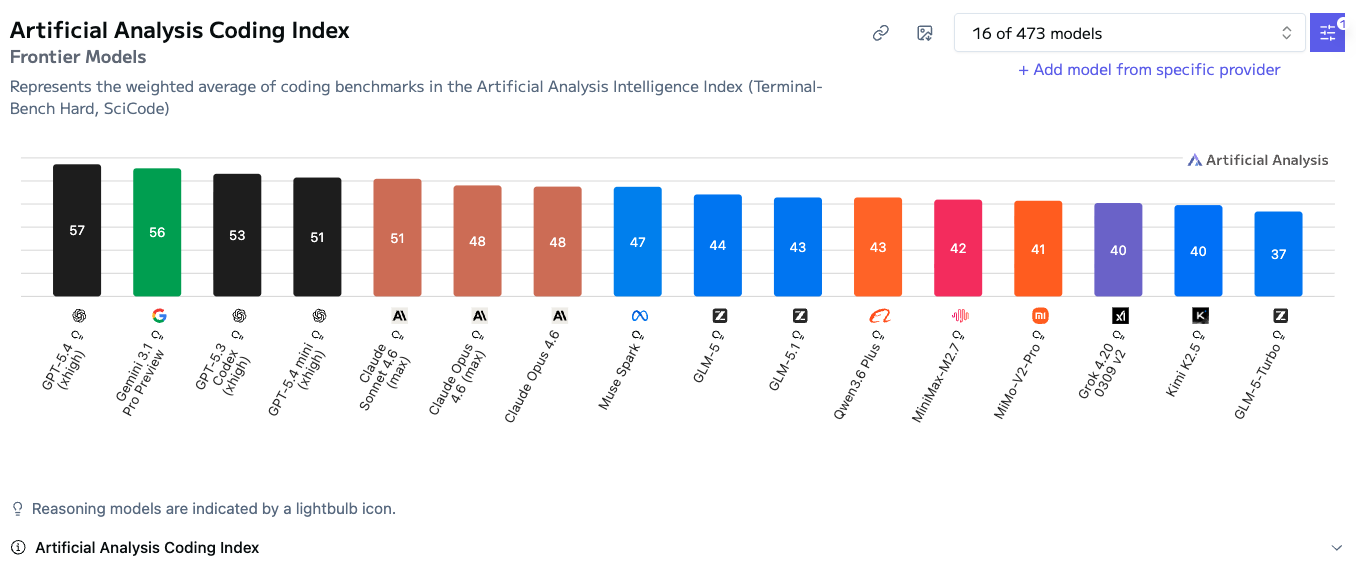
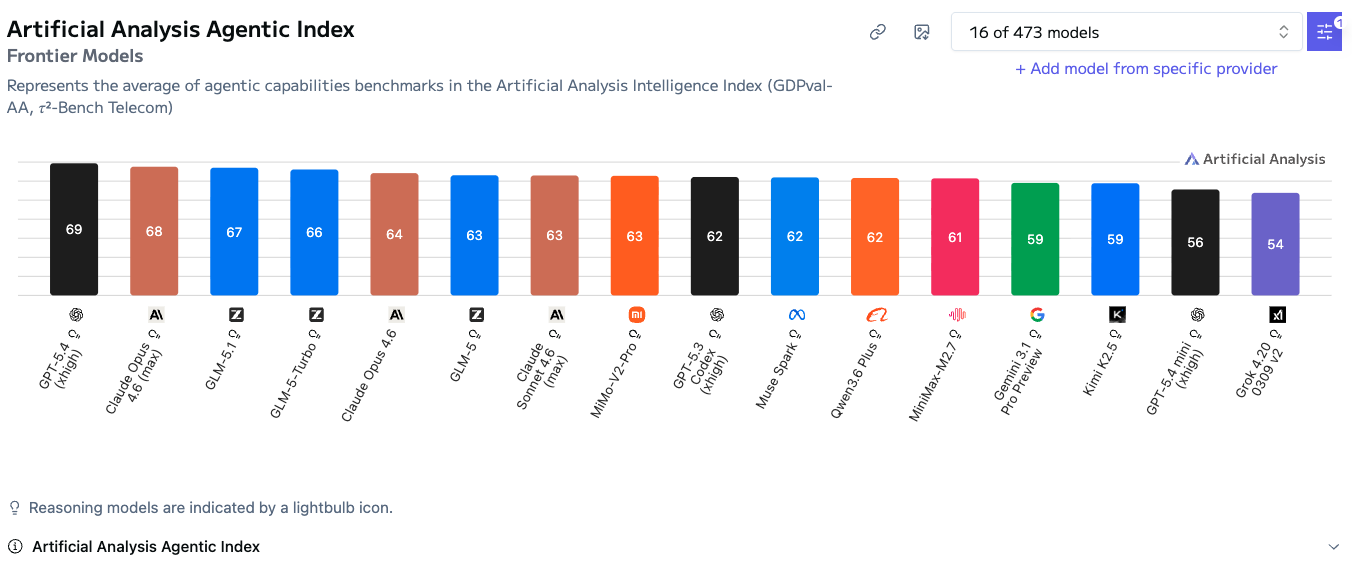
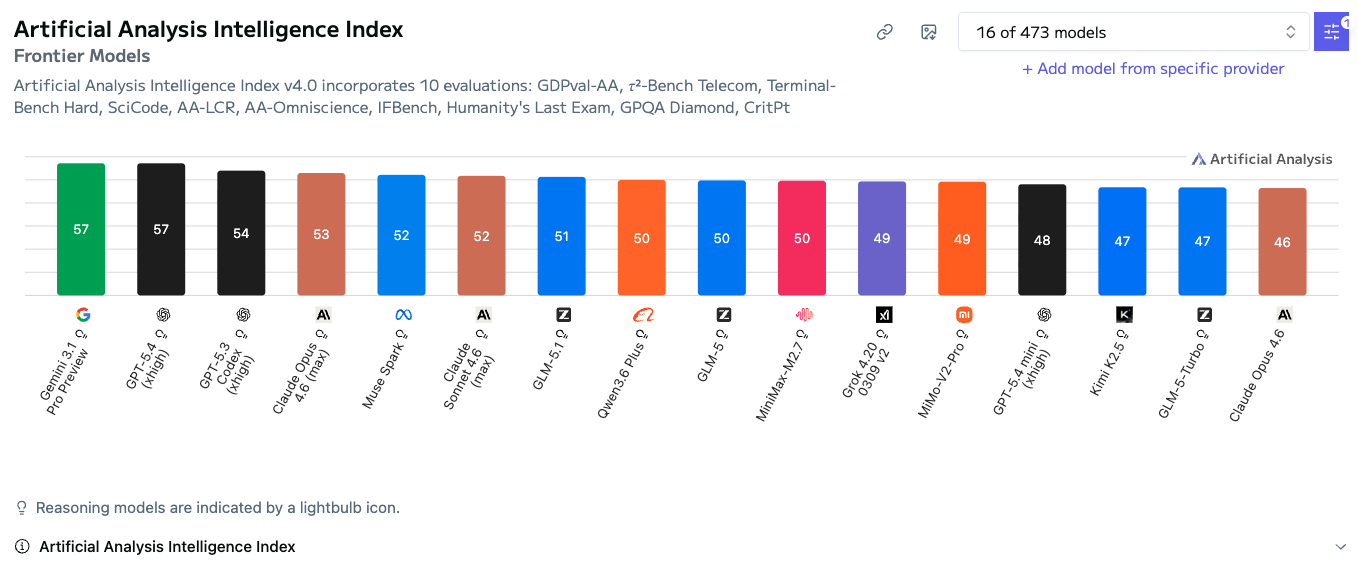
Artificial Analysis already features benchmarks for Muse Spark, showing that Meta’s new model can indeed hold its own against the top models from Google, Anthropic, and OpenAI; only in terms of coding does it fall somewhat behind. On Arena.ai, there is not yet a rating for Meta’s new LLM; it remains to be seen how users will evaluate it compared to the competition.