A.I. Fashion Start-Up Fermat Raises $8 Million and Heads to New York


Set Trending Topics as a preferred source on Google.
From moodboard to factory floor in a few clicks: Fermat, the Barcelona-based A.I. fashion design platform, has raised $8 million (about 6.8 million euros) in seed funding. The start-up will use the money to open a New York office and to stretch its software beyond design, all the way into garment production.
The round is led by Kibo Ventures and Lunar Ventures, with participation from London-based PROfounders Capital. Masia Ventures, Blue Wire Capital, Common Magic, Betaworks and the tech entrepreneur Dídac Lee also joined. Fermat says it has tripled its revenue since the start of the year.
ASOS, J.Crew and New Look Already on Board
Founded in 2022, Fermat positions itself as the software layer between designers and the finished garment. The platform bundles A.I. models built specifically for fashion, letting creative teams turn sketches and moodboards into realistic renders, test materials and variations, and visualize products before a single sample is sewn. According to the company, its team is split roughly evenly between fashion designers and engineers.
More than 350 customers in 14 countries already use the software, including ASOS, J.Crew Group, New Look, s.Oliver and the Spanish fashion group Tendam. Brands say they save hundreds of hours across design and marketing and rely less on physical samples, while keeping control of their data, designs and intellectual property.
“Fermat transforms our sampling process from weeks to minutes,” said Nick Eley, head of digital product creation at ASOS. Designers can now share their vision with suppliers without producing physical samples, he added, calling it a fundamental change in how the retailer develops products.
A New Tool for the Factory
Fermat’s first step toward production is Techpacks, a tool that turns designs into factory-ready specifications. Technical flats, construction details, measurements, bills of materials and colorways are generated in seconds, targeting one of the industry’s most stubborn bottlenecks: the handoff between design teams and manufacturers.
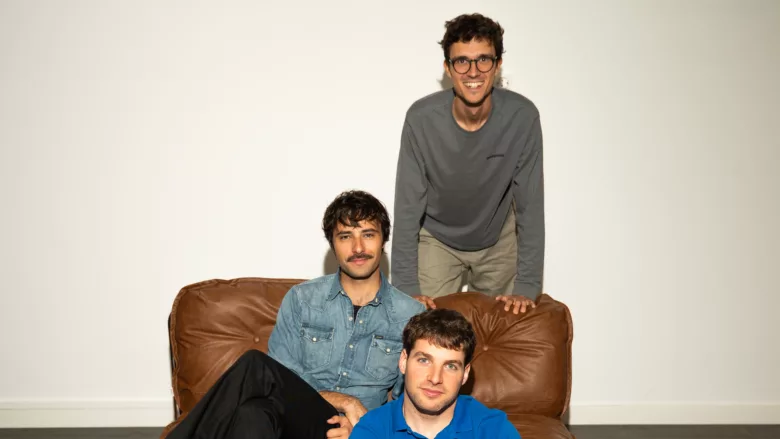
“Fashion is an industry starving for good software tools, and generative A.I. is the first technology that can match its need for speed,” said Pol Baladas, Fermat’s co-founder and chief executive. “In five years, no brand will work without it.” Mr. Baladas said the move to the United States was overdue, since a third of Fermat’s revenue already comes from there, so far without a single employee on the ground.
Fashion Giants Are Spending Big on Tech
The pressure on brands is mounting. Collections need to reach stores faster, while physical samples can take weeks to produce. According to S&P data reported by the Spanish trade publication Modaes, 17 major fashion companies plan to invest a combined $40.9 billion (about 35 billion euros) in technology, stores and supply chains this year, up 12.5 percent from last year, with A.I. and supply chain digitization among their priorities.
Jordi Vidal, a partner at Kibo Ventures, called Fermat the emerging category leader in A.I.-native fashion design. He pointed to its rapid growth, near-zero customer churn and the way top-tier brands have adopted the tool from the bottom up, one designer at a time.