Geely Charges EVs in 4.5 Minutes and ‘Heals’ the Battery Along the Way


Set Trending Topics as a preferred source on Google.
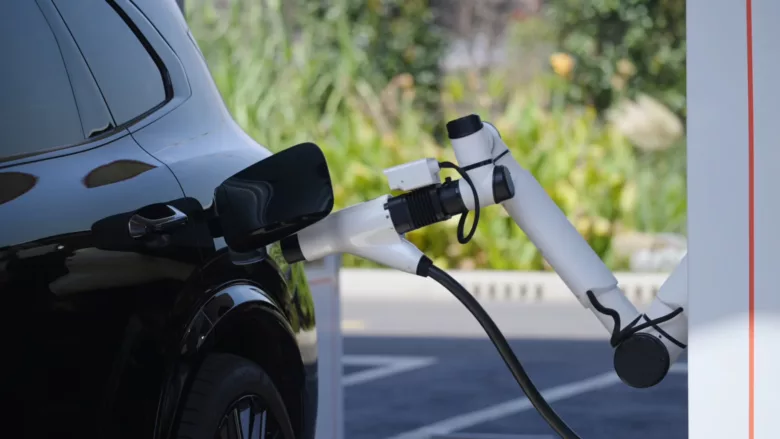
Fast charging used to be poison for a battery. Geely is turning it into a cure. The Chinese automaker, which also owns Volvo, Polestar and Zeekr, has just unveiled charging technology in Ningbo that takes an electric car from 10 to 70 percent in four and a half minutes. And as a bonus, it is said to extend the battery’s life by 20 percent, the company explains in a press release. With that, Geely is taking direct aim at BYD, which set the pace in the spring with its “Flash Charging.”
2.25 Megawatts and an A.I. That Thinks 30 Seconds Ahead
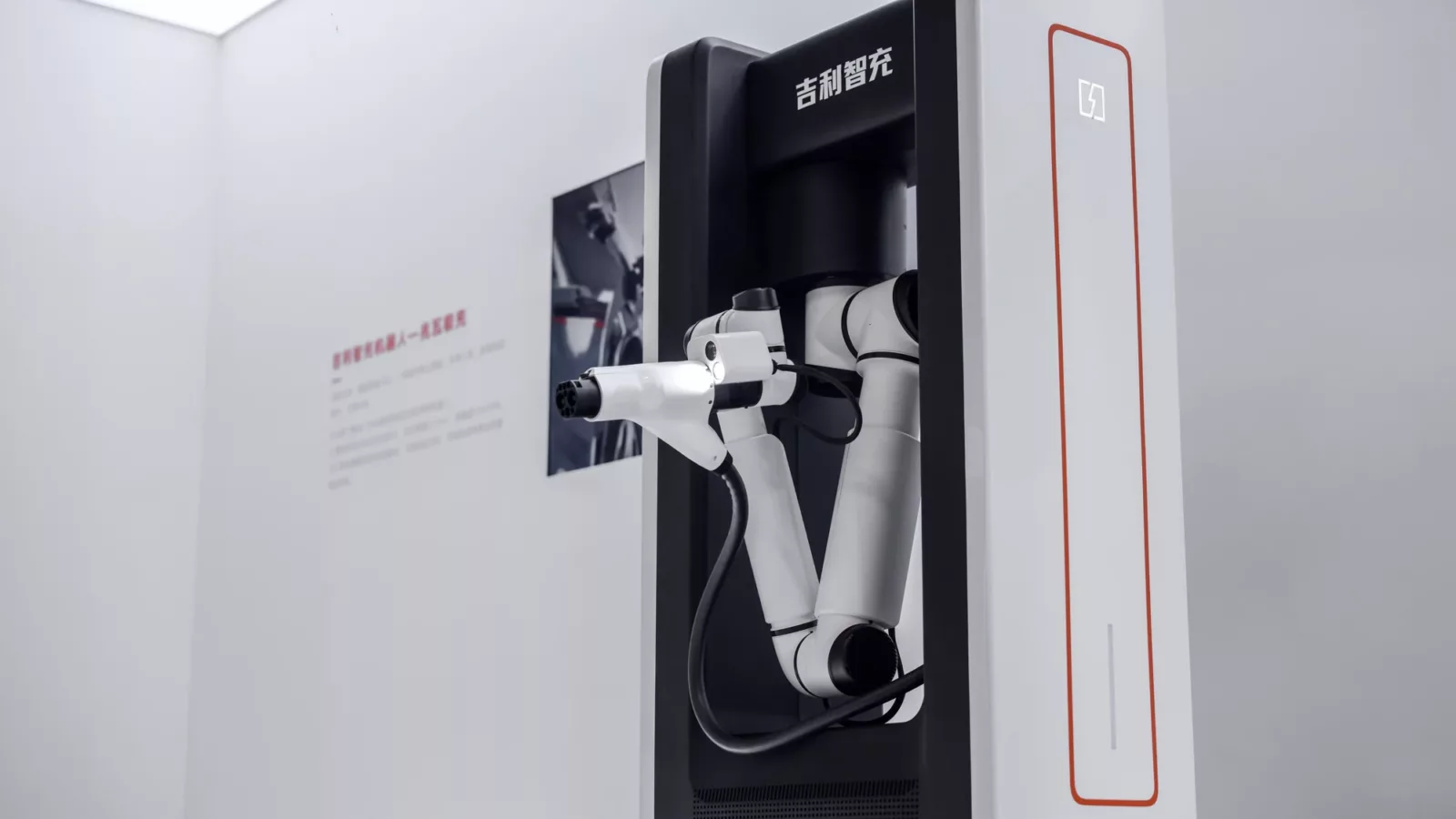
At the heart of the system is the fifth generation of Geely’s charging station, with a peak output of 2,250 kilowatts. For comparison, BYD’s Flash Charging stations reach 1,500 kilowatts. The key figures:
- Charging time: In tests, a Lynk & Co 10 and a Zeekr 001 charged from 10 to 70 percent in 4 minutes 30 seconds, and reached 97 percent after 8 minutes 40 seconds.
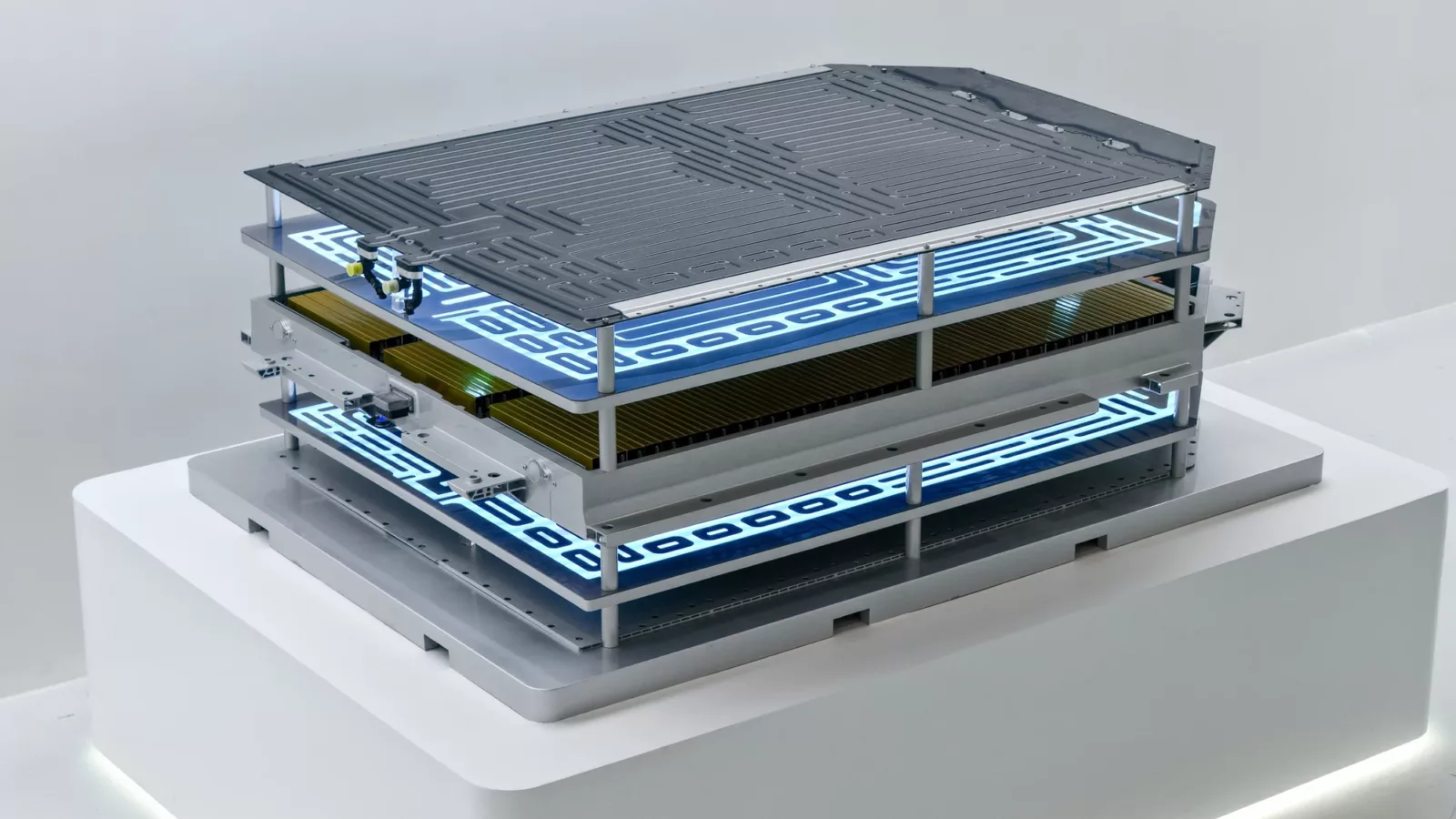
- Battery: This is made possible by Geely’s “Shendun Golden Battery” with a charging rate of 12C. For cheaper models, an “Ultra Short Blade” battery with 6C is coming.
- Cooling: For the first time, five points are liquid-cooled, from the station’s storage through the charger, cable and connector to the vehicle battery. Cells are meant to stay below 55 degrees Celsius on average, and the new Short Blade battery generates 10 percent less heat while charging, according to Geely.
- A.I.: The “Xingrui PowerMind” model, developed with the A.I. start-up StepFun, predicts battery temperature up to 30 seconds in advance and coordinates the vehicle, battery, charging station, cloud, power grid and energy storage.
Micro-Pulses Against Wear
The real novelty is in the details. Repeated fast charging causes lithium ions to build up on the negative electrode, a process known as lithium plating that permanently reduces capacity. Geely’s “lithium-ion pulse restoration” sends micro-pulses through the cells to reactivate these ions. According to Geely, this increases the number of charging cycles by 20 percent. The company does not, however, give a specific lifespan in cycles or years, and there are no independent tests yet.
The Race in China
China’s automakers are locked in an arms race over charging. BYD had already installed 10,000 Flash Charging stations by August and wants to reach 20,000 by the end of the year. The battery maker Sunwoda also plans 10,000 megawatt-class stations by the end of 2027. XPeng is in the mix as well.
For Europe, the technology has not been announced yet; Geely is focusing on its home market. But the arms race has long since reached Europe: BYD opened its first 1,500-kilowatt station in Germany in the spring and wants to set up 3,000 Flash Charging stations in Europe by the end of the year. Ionity is upgrading its network with the Alpitronic HYC1000 to up to 600 kilowatts per vehicle, and Tesla opened its first 500-kilowatt V4 Supercharger in Europe in Norway this summer. The bottleneck is less the chargers than the cars: only a few models can draw that much power at all. Through the group’s brands Volvo, Polestar and Zeekr, the technology could eventually make its way to Europe too. And Geely is growing here anyway: with 205,000 cars sold in the first eight months, the group is the most popular Chinese brand in the E.U., as we recently reported.