Oura Shelves IPO for Now, Citing ‘Uncertainty in the IPO Market’



Set Trending Topics as a preferred source on Google.
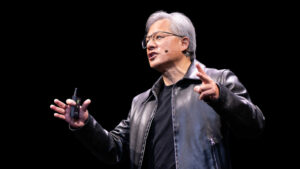
The price range was set and investors were lined up, then Oura pulled the brake. The smart ring maker has just postponed its planned Nasdaq listing “despite strong demand, due to uncertainty in the IPO market,” the company announced. “We aim to deliver an extraordinary IPO for our employees and investors and we have the luxury of choosing our moment,” said CEO Tom Hale. Oura did not give a new date.
Up to $2.2 Billion Was on the Table
Oura had planned to sell 50 million shares under the ticker OURA at $40 to $44 each, raising up to $2.2 billion (about 1.9 billion euros). At the top of the range, the company would have been valued at roughly $14 billion (about 12 billion euros), according to Trending Topics. The key details of the planned offering:
- Who was selling: Only about 13.5 million of the shares would have been newly issued; existing shareholders planned to sell the remaining 36.5 million. Early backer Forerunner Ventures intended to sell its entire 9.3 percent stake.
- Where the money was going: Of Oura’s own net proceeds of about $533 million, some $526 million would have gone to taxes, according to the prospectus, because employees’ restricted stock units vest with the listing.
- Background: Founded in 2013 in Oulu, Finland, Oura moved its domicile to Delaware in March, a prerequisite for the U.S. listing. Two years ago it was valued at $5.2 billion, and at $11 billion in last year’s $900 million funding round.
Strong Growth, Thin Profit
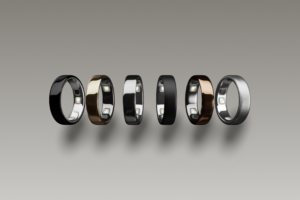
The business is not the problem. In the first nine months of its fiscal year, Oura generated $1.21 billion in revenue, up 74 percent from a year earlier, according to its prospectus. Most of it comes from selling the rings, which cost between $399 and $499. Subscription revenue from the companion app, at $5.99 a month, is growing much faster, though: up 121 percent, according to TechTimes. Oura now counts 5.7 million paying members. The bottom line showed a profit of about $61 million, although margins have narrowed.
A Nervous Market, With Anthropic at the Door
Oura cited market conditions only in general terms. Reuters described a tepid start to the traditionally strong fall IPO season, as investors digest the Federal Reserve’s latest rate hike, geopolitical turmoil and volatility in A.I. stocks.
Another factor weighs on the entire market: Anthropic’s upcoming IPO. The Claude maker plans to list on the Nasdaq after the U.S. midterm elections, and its investors expect a valuation of more than $2 trillion (about 1.7 trillion euros), Reuters reports. Details from its prospectus emerged just recently. An offering of that size is likely to tie up a great deal of investor money that is then unavailable for other new listings. Back in the spring, Fortune warned that SpaceX, OpenAI and Anthropic could revive the IPO market but also drain it. According to those estimates, the three could together raise more than $200 billion, many times what all U.S. IPOs combined brought in during 2025. Smaller candidates going public in this environment compete directly for the same budgets.
There is a counterpoint, however: investment expert Robert R. Johnson argues that even mega-IPOs tie up only a small share of capital relative to the total value of the U.S. stock market, according to Yahoo Finance.
Rivals Are Closing In
Regardless of the IPO, competition remains tough for Oura. Samsung sells a direct rival with its Galaxy Ring, alongside smaller players such as Ultrahuman and RingConn. Among screenless fitness trackers, Whoop is a contender, and the Apple Watch remains the obvious alternative for many. That is why Oura is increasingly betting on software and its own A.I. analysis, such as a proprietary A.I. model for women’s health, to stand out through its subscription.