Taiwan Wants to Make A.I. Chip Smuggling to China a Crime


Set Trending Topics as a preferred source on Google.
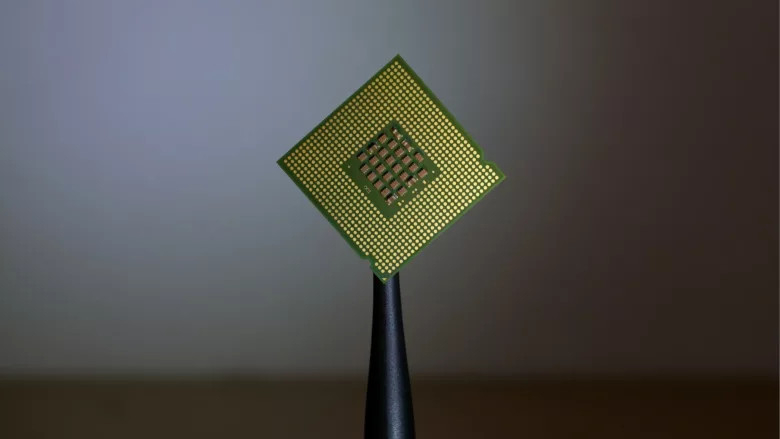
Anyone sneaking A.I. chips into China could soon face a criminal judge in Taiwan: The government in Taipei plans to tighten controls on exports of A.I. servers and advanced semiconductors to Chinese buyers. Economy Minister Kung Ming-hsin confirmed the plans in an interview with Bloomberg. Unauthorized shipments would then be prosecuted as a crime under the Foreign Trade Act. Until now, they have counted merely as an administrative violation.
From Blacklist to Blanket Controls
So far, Taiwan has relied on a blacklist. Since mid-2025, Huawei and the chipmaker SMIC have been on the list of strategic high-tech goods, and Taiwanese companies need a permit to supply them. Other Chinese buyers could usually still be served, as long as the chips did not fall under the 2022 U.S. export rules. Going forward, A.I. servers and cutting-edge chips are to be added to the list of controlled goods across the board, covering all buyers in China, Startup Fortune reports, citing Bloomberg. Chung Chia-pin, a lawmaker from the governing Democratic Progressive Party, has already drafted a corresponding amendment to the Foreign Trade Act. The penalties and the start date have yet to be decided.
The Deal With Washington
The move also reflects Taiwan’s close ties with the United States. In January, Taiwan and the U.S. struck a trade agreement that cut U.S. tariffs on most Taiwanese goods from 20 percent to 15 percent. In return, Taiwanese companies pledged $250 billion (about €223 billion) in investment in American semiconductors, energy and A.I., backed by a further $250 billion in credit guarantees. The stricter export rules are in line with Washington’s effort to curb China’s access to A.I. chips.
At the same time, Taiwan is cashing in on the A.I. boom. Semiconductor exports hit a record $87.2 billion (about €77.8 billion) in September, up 60.9 percent from a year earlier. The biggest beneficiary, TSMC, recently reported a record profit.
Smuggling via Southeast Asia
The problem is real. According to Bloomberg, Nvidia chips reach Chinese buyers through smuggling networks in Southeast Asia. In May, Taiwan arrested suspected A.I. chip smugglers for the first time, and in July, prosecutors went after Super Micro managers, albeit on forgery charges. Existing export law lacked a criminal tool aimed specifically at diverted chips.
China is a big market for American chipmakers. In its last full fiscal year before U.S. licensing requirements kicked in, Nvidia generated more than 13 percent of its revenue in China, about $17 billion (about €15.2 billion). The tightened rules for its H20 chip cost the company about $4.5 billion (about €4 billion) in charges. At AMD, China accounted for more than 24 percent of revenue in 2024.
China Is Tightening the Screws Too
Both sides are escalating the technology conflict. China’s commerce and science ministries have put forward their own draft that would restrict or ban exports of 40 technologies, including A.I., chips and solar technology, The Associated Press reports. Beijing has not yet responded to Taiwan’s plans. For already jittery markets, it is another signal after A.I. and chip stocks fell sharply in recent days.