Trump Calls Off Execution Livestream as Midterms Loom


Set Trending Topics as a preferred source on Google.
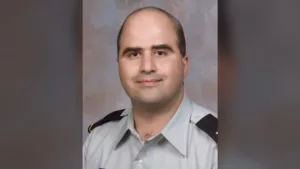
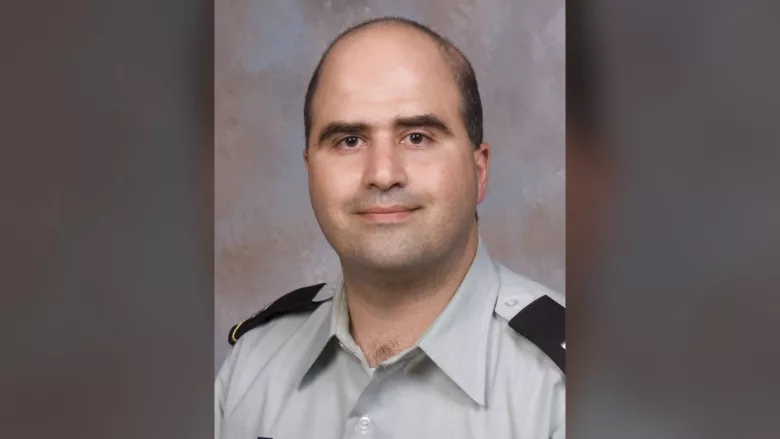
The first public execution in the United States since 1936 will not happen after all: President Trump on Thursday called off the planned livestream of the execution of Nidal Malik Hasan, the gunman in the Fort Hood attack. “He will die, as scheduled, by firing squad, but this event will not be streamed,” Mr. Trump wrote, according to Al Jazeera. With that, he overturned a plan by his own defense secretary, Pete Hegseth, less than three weeks before the midterm elections.
What Was Planned
In 2009, Mr. Hasan shot and killed 13 people at the Fort Hood military base in Texas. His execution is scheduled for early December, at the same time of day as the attack. Last week, Mr. Hegseth announced that the execution would be public “because people need to understand that there’s serious consequences for these types of things.” The Pentagon then confirmed that it would be livestreamed.
Mr. Trump explained his reversal this way: A public stream might have been a strong deterrent, but “many very good and well meaning people” would rather not watch Mr. Hasan die. Family members of the victims will be allowed to attend the execution in person.
Criticism From His Own Party
The plan had drawn bipartisan outrage, including from Republicans. Senator Thom Tillis called it “beyond disgusting,” saying public executions are what “oppressive dictatorships like Iran and Afghanistan do.” Representative Austin Scott of Georgia supports the death sentence but said livestreaming executions “is what jihadists do.” Speaker Mike Johnson, a Republican, warned that the video could become a recruiting tool for terrorists. Senator Chris Murphy, a Democrat, called public executions “medieval.”
The public was clearly opposed as well. In a poll by ABC News, The Washington Post and Ipsos, about eight in 10 Americans opposed the livestream, including 64 percent of Republicans. A narrow majority of 53 percent, however, supports the execution itself.
What the Midterms Might Have to Do With It
There is no official link to the congressional elections in early November. But the timing of the reversal falls in a delicate phase for Republicans. According to a recent Pew Research Center survey, Mr. Trump’s approval rating stands at just 30 percent, the lowest of his second term. Asked which party they plan to support for Congress, voters favor Democrats 44 percent to 36 percent. Democratic supporters are also far more motivated: 63 percent say they are “extremely motivated” to vote, compared with 46 percent of Republican supporters. Mr. Trump was already under pressure over the costs of the Iran war.
An issue that nearly two-thirds of Republican voters oppose, and that turned prominent Republicans publicly against their own administration, fits poorly into a campaign fought over narrow majorities. Opposition was especially strong among independents, who are heavily courted in the campaign: 83 percent of them opposed the livestream, according to the poll.
The Other Reasons
According to CNN, citing sources close to the president, something else also played a role: Mr. Hasan has been paralyzed from the waist down since police shot him during the attack, and he uses a wheelchair. That made a public execution “less palatable” to Mr. Trump, who is said to have a keen sense of imagery. There was also concern that terrorists could use the images to turn Mr. Hasan into a martyr. Mr. Trump had summed up his deliberations earlier: “There are two thoughts: Don’t show it and show it.”