A.I. Is Eating the Smartphone: Shipments Plunge 22 Percent


Set Trending Topics as a preferred source on Google.
The A.I. boom has claimed a prominent victim: Global smartphone shipments fell 22 percent in the third quarter to 255.3 million devices. That is the steepest decline the market research firm IDC has ever recorded. In the same quarter last year, shipments stood at 327.3 million.
Memory Chips Drive Up Prices
IDC blames an “A.I.-led memory crisis.” Because data centers for A.I. models consume huge amounts of memory, the cost of memory chips has risen by about 350 percent from a year earlier. That hits smartphone makers twice: Components are becoming both more expensive and scarcer. The crisis had been building for some time; most recently, the memory chip shortage hit Apple’s MacBook Air.
The decline has accelerated sharply over the course of the year. In the first quarter, shipments fell 2.9 percent, and in the second, 7.4 percent. Now the higher costs are reaching customers. “The pressure is now moving from vendors to consumers,” said Francisco Jeronimo, a vice president at IDC. As a result, many people are keeping their devices longer, he said.
The Big Players Lose Less
Chinese manufacturers, which are heavily exposed to price-sensitive segments, have been hit hardest. Apple and Samsung, by contrast, have fared comparatively well and even gained market share:
| Vendor | Shipments (millions) | Change | Market share |
|---|---|---|---|
| Samsung | 57.8 | -5.8% | 22.6% |
| Apple | 57.3 | -4.0% | 22.4% |
| Xiaomi | 30.7 | -29.2% | 12.0% |
| OPPO | 25.6 | -34.5% | 10.0% |
| vivo | 19.1 | -31.5% | 7.5% |
| Others | 64.8 | -32.5% | 25.4% |
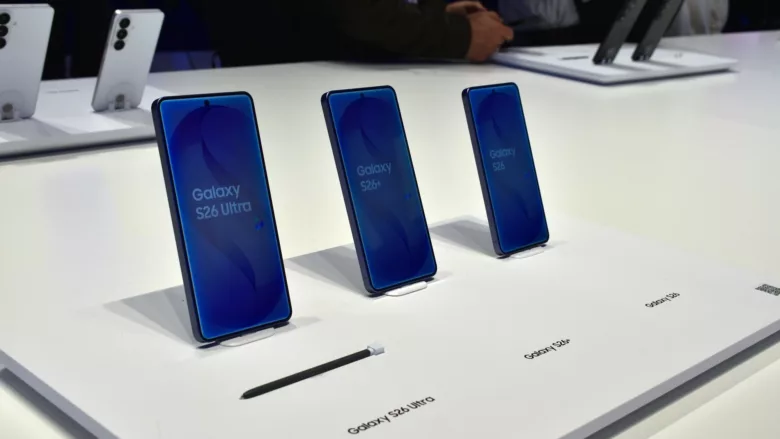
Prices are rising, too. Apple reportedly raised the price of its new iPhone 18 Pro models by $100 (about €89), and Samsung did the same for its Galaxy S26 lineup.
‘The Worst Is Yet to Come’
There is no recovery in sight. “The worst is yet to come,” said Nabila Popal, an analyst at IDC, adding that the market has not yet hit bottom. IDC has already cut its full-year forecast three times, most recently to a decline of 16.7 percent. For 2027, the analysts expect a further drop of 2.9 percent to just over one billion devices, with a recovery only from 2028.
The picture is not entirely uniform, however. Counterpoint Research puts the third-quarter decline somewhat lower, at 20 percent. And according to IDC, memory costs rose only by a low double-digit percentage from the previous quarter, after increases of 50 to 100 percent in the quarters before. Some manufacturers are also planning higher production volumes despite the slump, to stock up ahead of an expected shortage next year. For investors, the figures are another piece of the puzzle in the current sell-off in A.I. and chip stocks.