Z.ai, Maker of GLMs, Makes $142 Million in Revenue at a $71 Billion Market Value



Set Trending Topics as a preferred source on Google.
GLM models have reliably made the AI industry sit up and take notice. On agentic capabilities in particular, Z.ai has repeatedly set new standards in the open-weight space, most recently with GLM-5.3.
Now the Chinese AI developer Z.ai, better known as Zhipu and as the company behind the GLM model family, has just published its first half-year results as a listed company. It is the first interim report since the Beijing-based firm went public in Hong Kong earlier this year as the first pure-play foundation model company to do so.
Revenue Multiplies, Estimates Missed
In the first six months of the year, revenue rose about 400% to 953.89 million yuan, or roughly $141.8 million. The net loss narrowed to 2.07 billion yuan (about $308 million) from 2.36 billion yuan a year earlier. The company remains deep in the red, with the loss running at around 2.2 times revenue.
Despite that growth, Z.ai came in below market expectations. Analysts had projected 1.35 billion yuan in revenue on average, according to Bloomberg, putting the actual figure about 29% short. The price war in China’s AI market is seen as the main reason, with Z.ai competing against DeepSeek and Moonshot AI, among others.
The Math: Market Value Against Revenue
On the Hong Kong exchange, Z.ai currently carries a market capitalization of 556.42 billion Hong Kong dollars, which works out to roughly $71.4 billion given the currency’s peg to the U.S. dollar. Measured against half-year revenue of $141.8 million, that is a ratio of about 503 to 1, or a price-to-sales ratio of roughly 252 when the half year is annualized. Even richly valued tech and AI stocks typically sit in the low double digits. To reach a P/S ratio of 20 at the same market value, Z.ai would need annual revenue of about $3.6 billion, some 12.5 times its current run rate.
A Volatile Stock and Fresh Capital
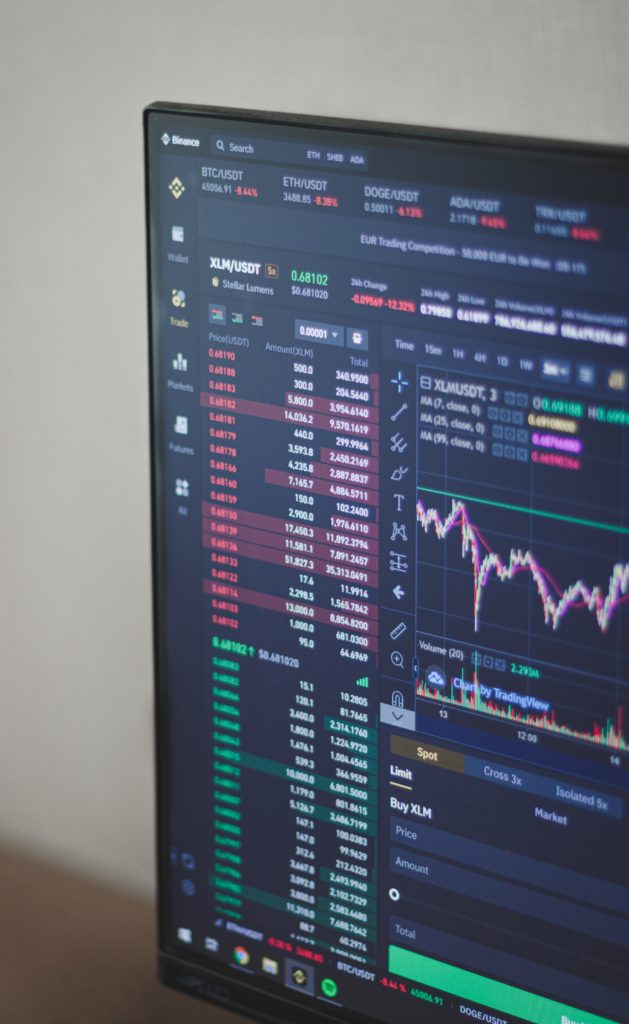
The share price reflects that uncertainty. The stock trades around 60% below its summer high while still standing roughly ten times above its IPO price. The listing itself raised $558 million. Last month the company added a further $4 billion through a share placement, a signal that spending will stay high as it competes with rivals at home and abroad.
Ox Alpha Came From Z.ai
On the product side, Z.ai recently confirmed that it was behind the model Ox Alpha, which drew attention among developers while its origin was still unknown. Officially named GLM-5.3-Flash, it costs $0.15 per million input tokens, which makes it attractive for cost-sensitive use cases.
Before that, the company, which maintains close ties to Tsinghua University in Beijing, released GLM-5.2 and beat several leading U.S. systems on key benchmarks. That lead proved short-lived: Chinese rival Moonshot AI moved ahead with Kimi K3 across the major benchmarks, which weighed on Z.ai’s shares.