OpenAI Seeks $30 Billion After Calling Off Its IPO


Set Trending Topics as a preferred source on Google.
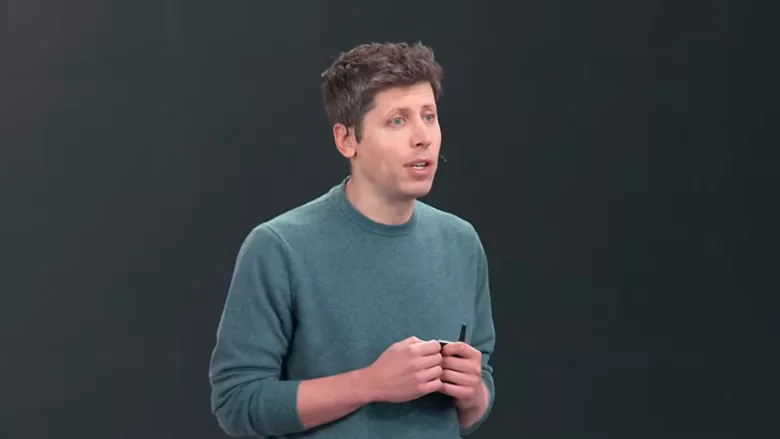
If you won’t go public, you have to raise money privately again. OpenAI is aiming for a new funding round of at least $30 billion (about 25.6 billion euros) at a valuation of roughly $1.4 trillion (about 1.2 trillion euros), Bloomberg reported, citing people familiar with the matter. The round is seen as a bridge to an initial public offering that the company recently pushed back to 2027 at the earliest. OpenAI declined to comment on the report.
The Valuation Keeps Climbing
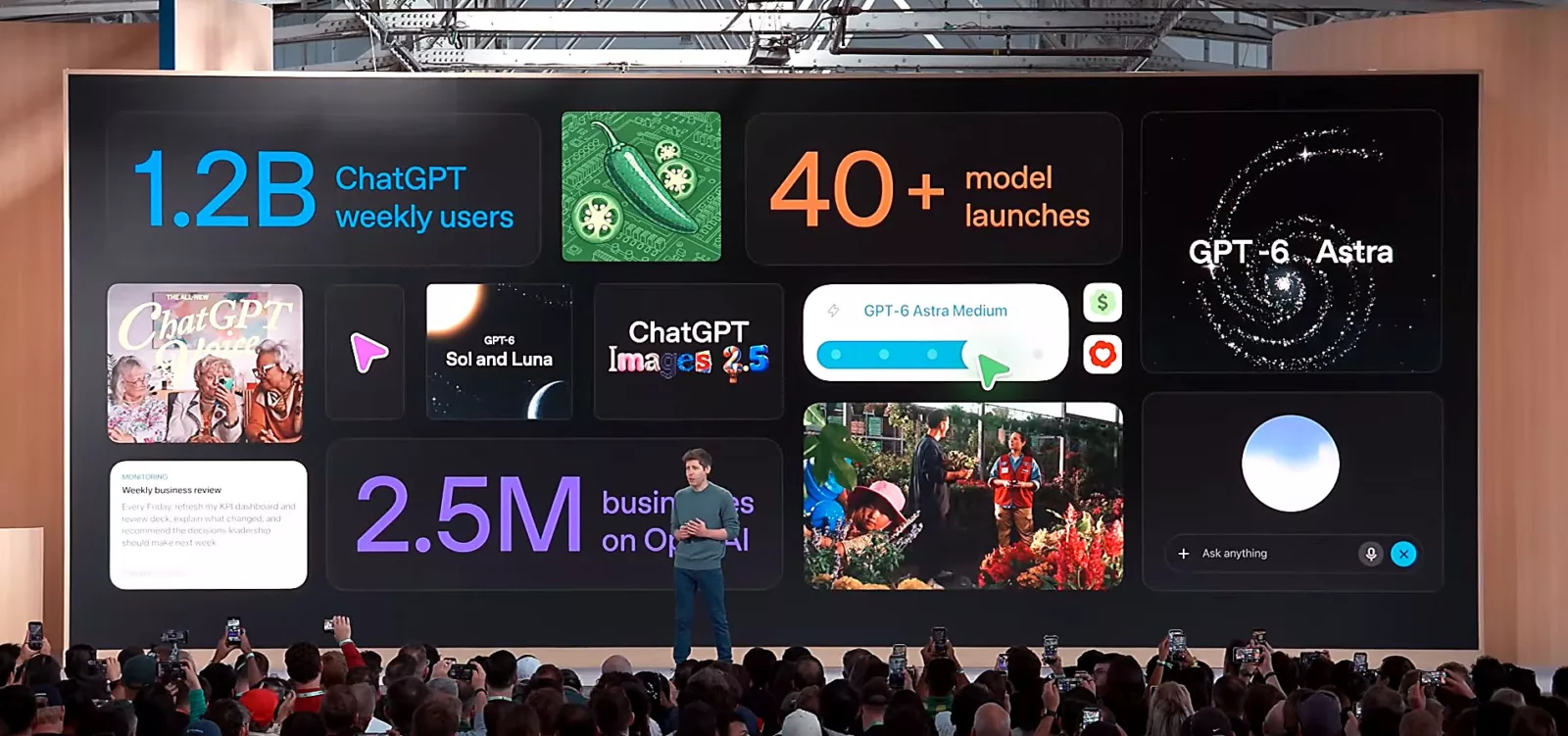
OpenAI last closed a record round of $122 billion at a valuation of $852 billion in March, led by SoftBank, Amazon and Nvidia. That was supposed to be the last private round before an IPO. Only days ago, talks were reported at a valuation of $1.2 trillion; now the target is $1.4 trillion. Annualized revenue has surpassed $40 billion and has grown about 70 percent since July, driven mainly by A.I. for coding.
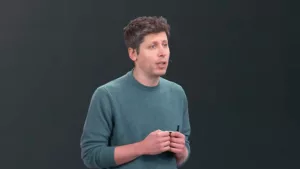
OpenAI needs the fresh money to expand its data centers. According to an internal presentation quoted by the Financial Times, the company expects cumulative negative free cash flow of $278 billion through the end of 2030. An IPO could have helped close part of that gap. Sam Altman, however, attributed the delay not to market conditions but to the debate over A.I. safety, saying a listing now would be “ill-advised.”
The IPO Window Is Closing
The funding push comes as the stock market is losing momentum. A record fall for new listings had been expected, but several candidates are pulling back. The smart ring maker Oura postponed its Nasdaq debut despite a set price range and what it called strong demand, citing “uncertainty in the IPO market.” SoftBank’s data center company SB Energy has also delayed its IPO. For the British cloud provider Nscale, analysts now expect the investor roadshow to be postponed, The Wall Street Journal reported.
The reasons are varied. Investors are digesting the Federal Reserve’s latest rate increase, geopolitical tensions and sharp swings in A.I. stocks. There is also concern that mega-IPOs could drain the market: SpaceX raised $85.7 billion in its record listing in June, and Anthropic could raise up to $100 billion. Together, that is more than $180 billion (about 158 billion euros), money that is then unavailable for smaller candidates. There is a counterargument, though: the investment expert Robert R. Johnson points out that even mega-IPOs tie up only a small share of capital relative to the total value of the U.S. stock market.
Anthropic is sticking to its plans against the trend. The maker of Claude wants to list on Nasdaq this year after the U.S. midterm elections, and its investors expect a valuation of more than $2 trillion (about 1.7 trillion euros). In its prospectus, Anthropic even warned of “existential risks to humanity.” In its last private round, Anthropic’s valuation of $965 billion already put it ahead of OpenAI.
SoftBank Is Especially Tied to OpenAI
SoftBank is particularly closely linked to OpenAI’s hunger for capital. The Japanese conglomerate is OpenAI’s largest single investor and committed up to $30 billion in the March round, paid in tranches. Part of that is financed with debt: SoftBank recently issued $11.15 billion in bonds for the third tranche, which the rating agency Fitch rates “BB+,” in speculative territory.
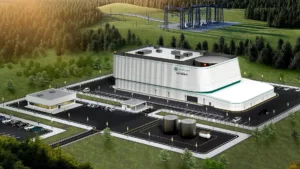
The delayed listing of SB Energy is also directly tied to OpenAI. The company builds data centers in the United States and depends heavily on OpenAI as a customer, which its prospectus lists as a material risk. Investors balked at the targeted valuation of more than $50 billion (about 43 billion euros), especially since SB Energy posted a net loss of $3.2 billion on revenue of just under $139 million in the first half and has no data center in operation yet. An OpenAI IPO would have given SoftBank a chance to prove the value of its stake in the market. That prospect has now moved into next year.
Rivals Are Raising Money, Too
OpenAI is not alone in its need for capital. Besides Anthropic, which is heading for the stock market, Elon Musk finances his A.I. ambitions through SpaceXAI and thus through a company that has had direct access to capital markets since its IPO in June. Google, meanwhile, can pay for the expansion of Gemini from its ongoing business and runs its own infrastructure on its TPUs, the kind of infrastructure OpenAI has to raise billions on capital markets to build.